What to Expect During Your First Visit to a Retina Specialist
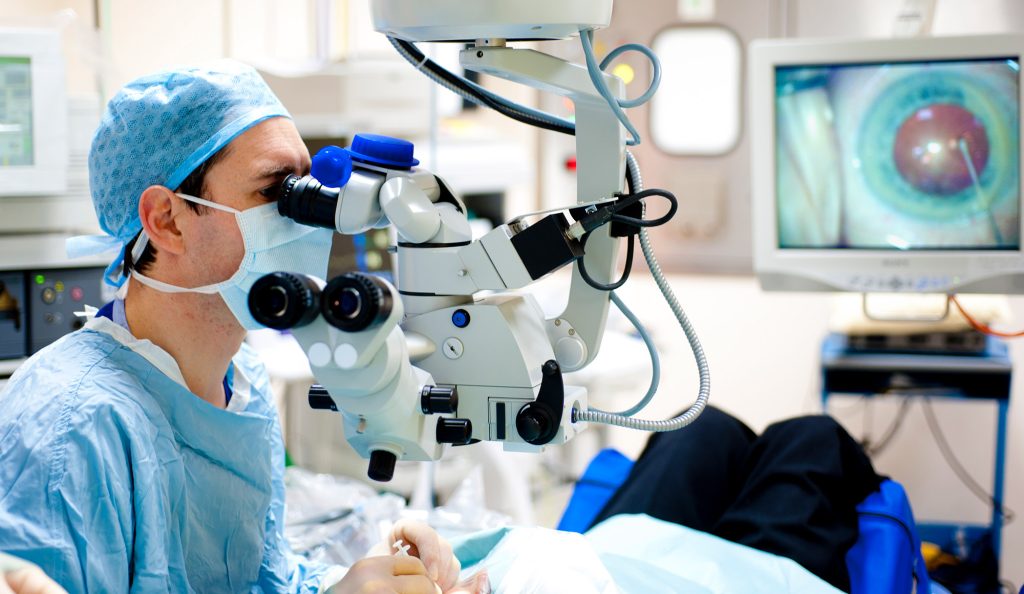
Introduction: Understanding the First Step Toward Vision Protection
If you’ve been referred to a retina specialist, it’s natural to feel a bit anxious about what lies ahead. Whether you’re experiencing symptoms like floaters, flashes, blurred vision, or managing a condition like diabetic retinopathy or macular degeneration, your first retina appointment marks an important milestone in protecting your eyesight.
This guide will walk you through what to expect during your first visit to a retina specialist—from check-in to diagnosis and beyond—so you can feel informed, empowered, and prepared.
Before the Appointment: What to Bring and Prepare
Preparation helps ensure your visit is smooth, efficient, and productive. Here’s what you should bring:
- Photo ID and Insurance Information
- Referral letter (if applicable)
- List of medications and allergies
- Your current glasses or contact lenses
- A list of questions or symptoms
- Sunglasses (for post-dilation sensitivity)
- A friend or family member to drive you home
🕒 Pro tip: Plan to spend 2–3 hours during your first retina consultation to allow time for dilation, imaging, and discussion.
Step-by-Step: What Happens During Your First Retina Appointment
1. Medical & Vision History Review
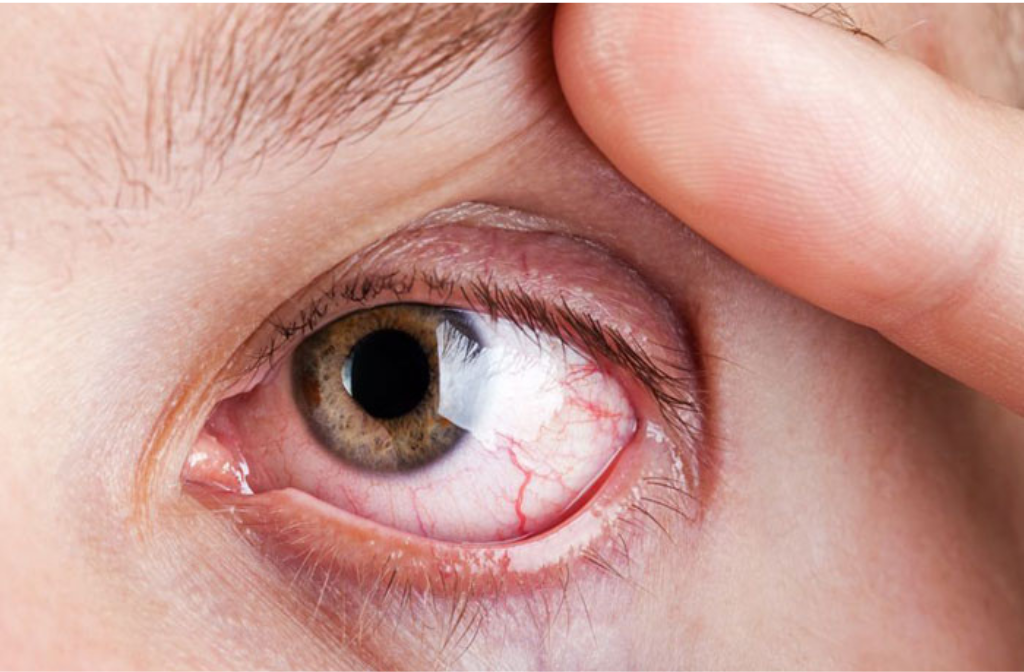
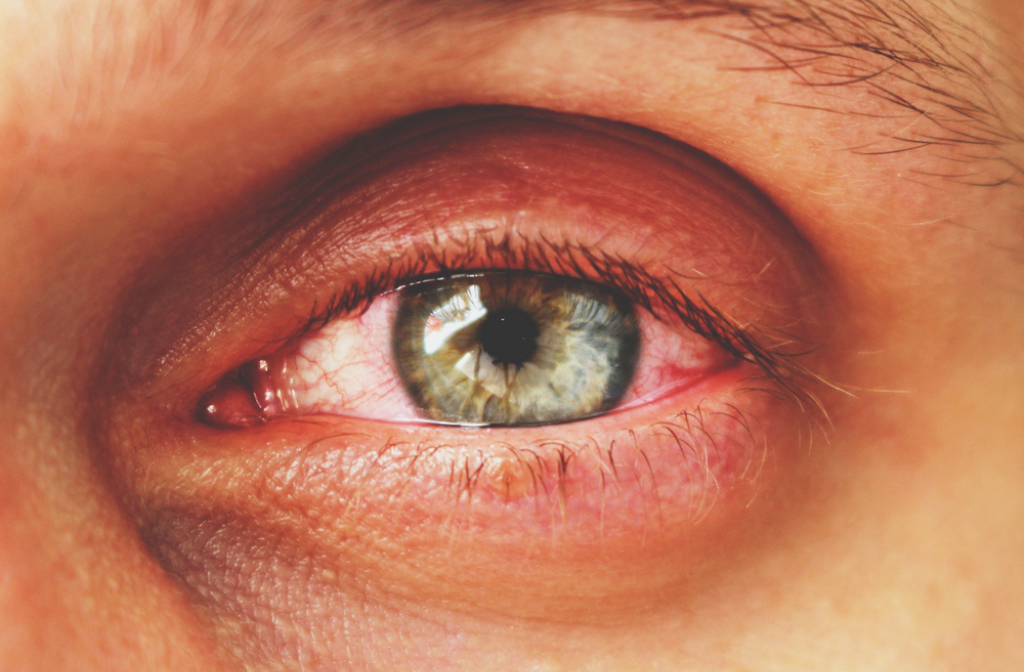
Blurred vision is more than just a sign of needing new glasses. It could signal:
- A technician or assistant will ask about your general health, eye history, and current symptoms.
- This includes conditions like diabetes, hypertension, or past eye surgeries, which can influence retinal health.
If your vision becomes unclear, especially in one eye, it warrants immediate medical evaluation.
2. Preliminary Eye Tests
These initial exams give your retina specialist a baseline understanding of your vision:
- Visual acuity check (eye chart test)
- Intraocular pressure test (for glaucoma risk)
- Refraction test (to assess prescription changes)
3. Pupil Dilation
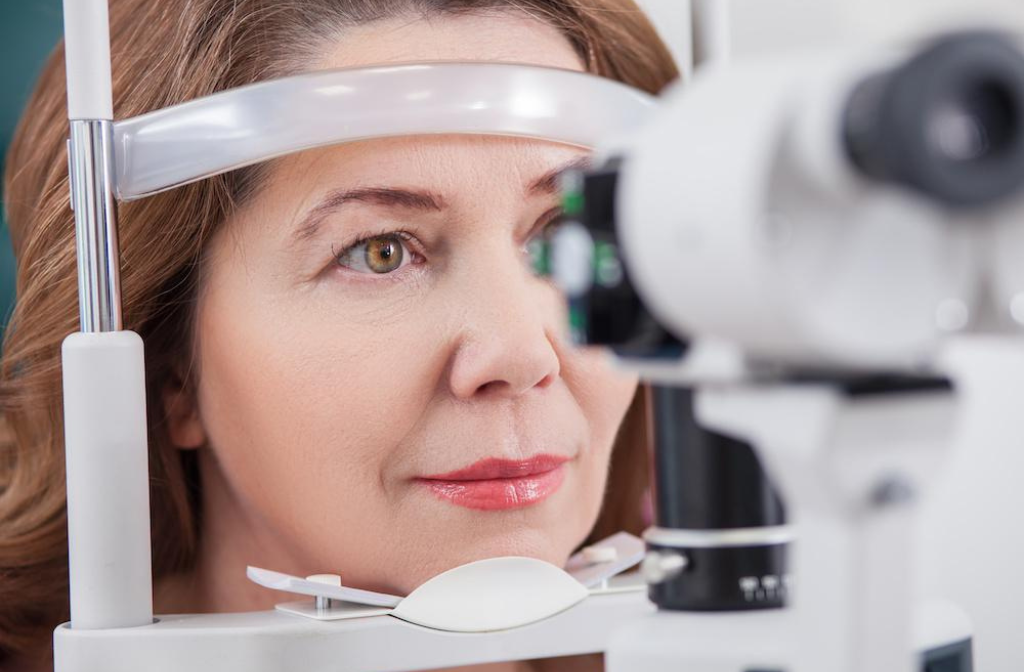
Dilation is key to a comprehensive retinal evaluation. Drops are applied to widen your pupils, enabling clear visualization of the retina.
Dilation may cause light sensitivity and blurry near vision for 4–6 hours, so bring sunglasses and arrange for a ride home.
4. Retinal Imaging & Diagnostics
Depending on your symptoms, your retina specialist may recommend one or more advanced tests:
- OCT (Optical Coherence Tomography) – high-resolution images of the retina layers
- Fluorescein Angiography – evaluates blood vessel health in the retina
- Fundus Photography – captures wide-field images of the retinal surface
These non-invasive tests help detect or confirm issues like retinal detachment, macular edema, or diabetic changes.
5. Consultation with Retina Specialist
Your specialist will:
- Explain your diagnosis clearly
- Show imaging results
- Answer your questions in simple language
- Discuss treatment options (e.g., laser therapy, intravitreal injections, or surgery)
- Create a personalized care plan
Your specialist may recommend same-day treatment if a serious retinal condition is found (e.g., retinal tears).
6. Follow-Up Scheduling
Depending on your diagnosis, you may be asked to:
- Return for additional tests
- Begin a series of injections (for wet AMD or diabetic retinopathy)
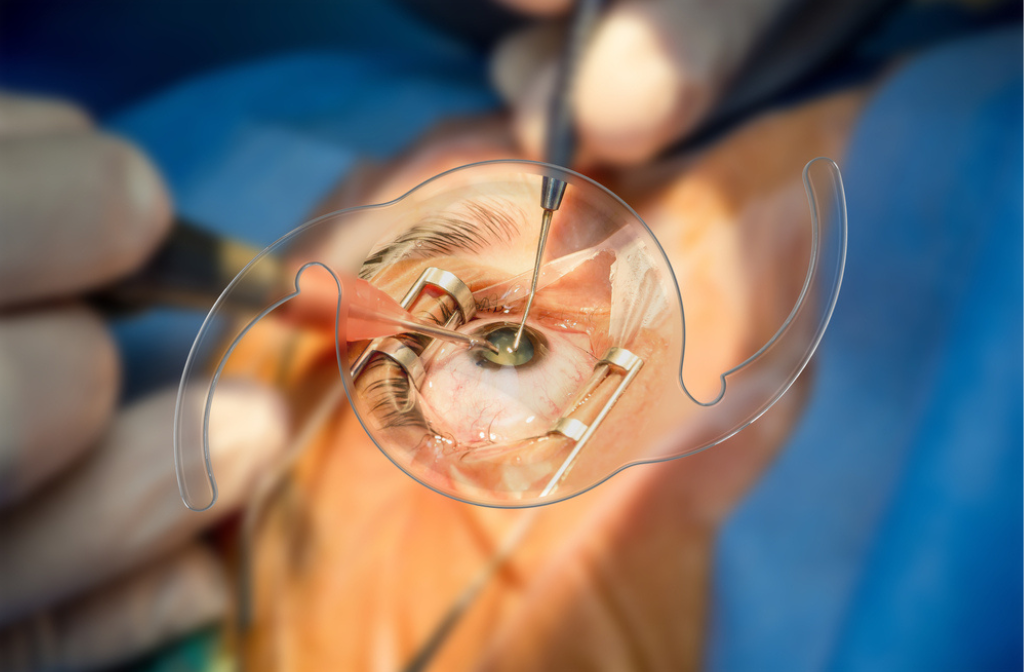
- Undergo retina surgery
- Continue monitoring every few months
What If You Need Treatment?
Don’t panic. Retina treatments today are safe, advanced, and often minimally invasive. Your doctor will explain:
- What the treatment involves
- Expected recovery time
- Risks and benefits
- Post-treatment care instructions
Internal link: Learn more about vitreo-retinal treatments and what makes them effective.
Patient Comfort & Care: What Makes a Good Retina Specialist?
Look for a specialist who:
- Listens patiently
- Explains your condition without jargon
- Offers multiple treatment options
- Is backed by a reputable clinic or hospital
- Uses advanced imaging technology
At Retina Care Abu Dhabi, we pride ourselves on delivering world-class retinal care with a patient-first approach.
FAQs
Q1. What happens during your first visit to a retina specialist?
You’ll undergo vision tests, dilation, and retinal imaging, followed by a detailed consultation.
Q2. How long does a retina appointment take?
Usually 2–3 hours, depending on the tests and dilation response.
Q3. What should I bring to my retina appointment?
Bring your ID, insurance, medication list, glasses, sunglasses, and a ride home.
Q4. Do retina exams require dilation?
Yes, dilation is essential for a full view of the retina and proper diagnosis.
Q5. Will I get treatment on my first visit?
If urgent conditions like retinal tears are found, you may receive same-day treatment.
Q6. How do I prepare for a retina specialist appointment?
Avoid driving post-appointment, prepare a health history, and bring any past eye records.
Q7. What questions should I ask my retina specialist?
Ask about your diagnosis, treatment options, recovery expectations, and next steps.
Take the First Step Toward Vision Clarity
A retina issue caught early can preserve your sight. Don’t wait until symptoms worsen. Our award-winning retina specialists are ready to help with cutting-edge diagnostics and compassionate care.
 Schedule Your Consultation Today!