How the UAE’s Lifestyle Can Affect Your Retina Health
The UAE’s Modern Lifestyle and Its Hidden Impact on Eye Health
The UAE’s modern lifestyle is fast-paced, screen-heavy, and often sun-drenched — a combination that’s silently taking a toll on one of our most vital senses: vision. Between constant exposure to digital devices, scorching desert temperatures, and sedentary routines, your retina — the light-sensitive tissue at the back of your eye — faces daily challenges that most people overlook.
Recent health surveys reveal that UAE adults spend an average of 7 hours and 59 minutes daily on screens, the highest globally. Combine that with harsh UV rays and long hours indoors under air conditioning, and the result is a growing prevalence of dry eyes, retinal fatigue, and degenerative eye diseases.
If you’ve noticed eye strain, blurry vision, or dryness after long workdays, it’s time to look deeper — literally — into your retinal health. At Retina Care Abu Dhabi our expert ophthalmologists specialize in identifying and treating these lifestyle-induced retinal problems.
Learn more about retina specialist consultation in Abu Dhabi.
Digital Eye Strain — UAE’s 7-Hour Screen Epidemic
In an era dominated by smartphones and laptops, digital eye strain has become a public health issue. Prolonged screen use forces your eyes to focus and refocus constantly, straining the ciliary muscles and drying out the tear film.
Nearly 37.7% of UAE children spend over seven hours daily on digital devices, with little to no outdoor activity. The result? Increasing cases of myopia (nearsightedness), headaches, and even early retinal fatigue.
Symptoms include:
- Blurred or double vision
- Watery or dry eyes
- Headaches and neck pain
- Difficulty focusing after screen breaks
Prevention Tip: Follow the 20-20-20 rule — every 20 minutes, look 20 feet away for 20 seconds. It’s simple but proven to relax your eye muscles and restore natural blinking.
Desert Heat & UV Exposure — Your Retina’s Biggest Environmental Threat
The UAE’s desert climate presents a unique challenge for eye health. With UV radiation levels peaking during July–August, prolonged sun exposure can cause UV-induced retinal damage or even photokeratitis, a painful “sunburn” of the cornea.
Medical data shows that for every 1°C increase in temperature, cataract cases rise by 370 per 100,000 people. Outdoor workers, athletes, and drivers are particularly at risk of long-term retinal injury.
How to protect your eyes outdoors:
- Wear sunglasses with 100% UV400 protection
- Use wide-brimmed hats for added shade
- Avoid outdoor activities between 12 PM and 3 PM
- Use lubricating eye drops after dusty exposure
For global eye safety recommendations, visit the World Health Organization – Vision and Eye Health.
Dry Eyes in the Desert — Heat, Humidity & Air Conditioning
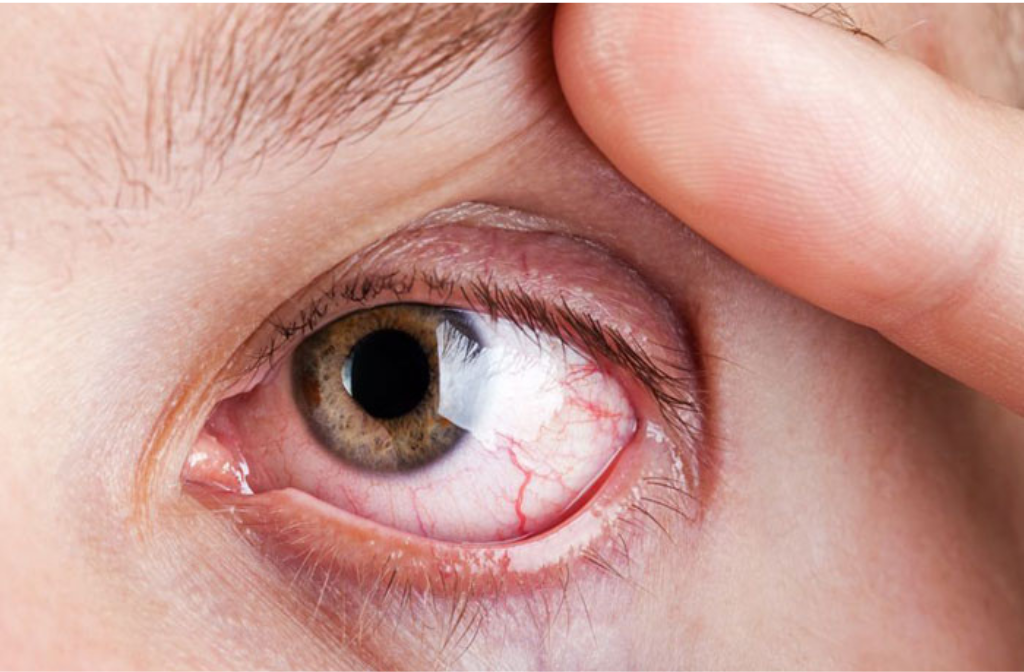
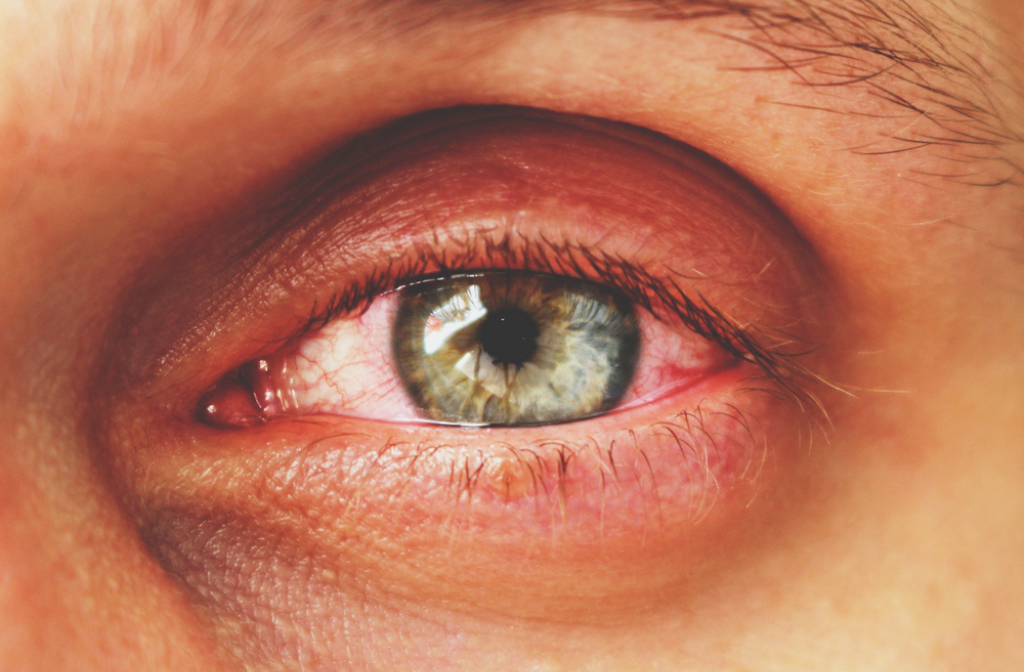
If your eyes often feel gritty or tired, the UAE’s dry climate might be to blame. Dry eye syndrome is among the most common complaints among residents — especially those who work in air-conditioned environments.
Low humidity, intense heat, and airborne dust disrupt your tear film, leading to evaporation and inflammation. Studies show that outdoor workers have 33% worse tear film stability compared to those in temperate regions.
To combat desert-related dry eyes:
- Use preservative-free artificial tears
- Stay hydrated (2–3 liters of water daily)
- Avoid direct air conditioning
- Blink consciously during long screen use
Smoking & Retina Health — A Preventable Risk
Few realize how damaging smoking is to the retina. Research confirms that smokers are four times more likely to develop age-related macular degeneration (AMD) — a leading cause of blindness worldwide.
Smoking also accelerates cataract onset by 5–10 years, primarily through oxidative stress that constricts retinal blood vessels and damages photoreceptor cells.
Immediate benefits of quitting:
- Improved blood flow to the retina
- Slower progression of AMD
- Reduced risk of diabetic retinopathy
- Enhanced recovery after eye surgery
Your retina begins to heal within weeks of quitting. If you’re a smoker, your next eye check-up is more important than ever.
Sedentary Lifestyle & Obesity — Eye Disease Connections
The UAE’s growing obesity and inactivity rates are more than a fitness issue — they’re a vision concern. 84% of adults are overweight, projected to reach 94% by 2050. This lifestyle directly increases risks for glaucoma, diabetic retinopathy, and macular degeneration.
A sedentary lifestyle reduces blood flow to the optic nerve, while obesity raises intraocular pressure, leading to irreversible damage.
Recommended activity:
Engage in 45 minutes of moderate-intensity exercise (like brisk walking or cycling) at least three times weekly to support retinal oxygenation and circulation.
Diabetes & Retina Health — A Regional Challenge
With over 20% of adults in the Middle East diagnosed with diabetes, diabetic retinopathy is a growing epidemic. In neighboring Saudi Arabia, 31% of diabetics develop retinal complications, and UAE trends mirror this pattern.
Excess sugar levels damage tiny retinal blood vessels, causing leakage, swelling, and vision loss. A balanced lifestyle can prevent or delay these complications.
Prevention checklist:
- Maintain HbA1c below 7%
- Eat balanced, low-glycemic meals
- Exercise regularly
- Get an annual retina scan
Nutrition & Omega-3 Fatty Acids — Feeding Your Retina Right
A nutrient-rich diet is one of the best defenses for your retina. Omega-3 fatty acids (DHA, EPA), antioxidants, lutein, and zeaxanthin protect against oxidative stress and light-induced damage.
| Food | Nutrient | Retinal Benefit |
|---|---|---|
| Salmon, sardines | Omega-3 fatty acids | Reduces inflammation, supports retinal structure |
| Spinach, kale | Lutein & zeaxanthin | Filters blue light, improves macular pigment |
| Citrus fruits | Vitamin C | Strengthens retinal capillaries |
| Nuts & seeds | Vitamin E | Protects against free radicals |
If your diet lacks these nutrients, consider supplements — but always consult your ophthalmologist first.
Blue Light Exposure — The Invisible Modern Threat
While UV rays are visible dangers, blue light from screens silently harms your retina over time. Prolonged exposure contributes to retinal thinning, sleep disruption, and potentially macular degeneration.
Protection tips:
- Enable “Night Mode” or blue light filters on devices
- Limit screen use before bedtime
- Use computer glasses with anti-reflective coatings
Blue Light Exposure — The Invisible Modern Threat
High temperatures and AC exposure accelerate dehydration, leading to poor tear quality and dry eyes. Staying hydrated is a simple yet powerful retinal protection strategy.
Daily hydration checklist:
- Drink 2–3 liters of water
- Include water-rich foods (cucumbers, watermelon, oranges)
- Limit caffeine and alcohol
Exercise: Nature’s Protection for Your Retina
Physical activity isn’t just for fitness — it protects your eyes too. Regular exercise enhances retinal oxygenation, reduces pressure inside the eye, and lowers the risk of diabetic retinopathy.
Studies suggest that aerobic activity three times weekly can cut glaucoma risk by up to 25%. Think of exercise as “natural medicine” for your eyes.
Protecting Outdoor Worker’s Eyes in the UAE
Construction workers, delivery drivers, and security personnel spend hours under the blazing UAE sun. Without proper eye protection, they face increased risks of UV-related retinal damage and corneal irritation.
Safety measures include:
- Wearing wraparound safety glasses with UV protection
- Using lubricating eye drops after dusty exposure
- Regular eye check-ups through workplace wellness programs
Retinal Health Preventive Measures
Good retinal health begins with awareness. Adopt these proactive habits to keep your vision sharp:
- Get a comprehensive eye exam every 12 months
- Eat antioxidant-rich foods
- Stay hydrated
- Wear sunglasses outdoors
- Limit continuous screen users
Even small adjustments can dramatically reduce your long-term eye risks.
Why Choose Retina Care Abu Dhabi for Lifestyle-Related Retinal Issues
At Retina Care Abu Dhabi, we understand that your eyes reflect your lifestyle. Led by Dr. Madhava Rao, one of the UAE’s leading retina surgeons, our clinic combines medical expertise with advanced diagnostics to manage conditions like diabetic retinopathy, dry eye, and macular degeneration.
Our care includes:
- State-of-the-art retinal imaging
- Personalized treatment plans
- Nutritional and lifestyle counseling
- Minimally invasive vitreoretinal surgery
👉 Book your retina specialist consultation in Abu Dhabi to safeguard your vision today.
Take Charge of Your Vision Today
Your retina silently records every second of your daily habits. Whether it’s long hours in front of a screen or frequent sun exposure, your eyes deserve regular care and protection.
Schedule a professional retina evaluation today — because prevention is always better than cure.
Conclusion — Healthy Habits, Healthy Retinas
The UAE’s lifestyle offers comfort, convenience, and opportunity — but also unique challenges to your vision. From digital eye strain to UV exposure, every small daily habit shapes the future of your eyesight.
With conscious changes, proper nutrition, and expert guidance from Retina Care Abu Dhabi, you can enjoy clear, healthy vision for years to come.
FAQs
Q1. How does screen time affect your retina?
Excessive screen time causes digital eye strain and blue light damage, leading to headaches and blurry vision. The 20-20-20 rule can help relieve strain.
Q2. Can UV rays really harm your retina?
Yes. Chronic UV exposure accelerates cataracts and macular degeneration. Always wear certified UV400 sunglasses.
Q3. What foods are best for retinal health?
Salmon, spinach, citrus fruits, and nuts are rich in omega-3s and antioxidants that protect the retina.
Q4. Is dry eye common in the UAE?
Extremely. The desert’s heat, low humidity, and air conditioning make it one of the most frequent eye complaints.
Q5. When should I see a retina specialist?
If you notice floaters, flashes, or persistent dryness, schedule a professional evaluation immediately.
Q6. Does smoking really damage your vision?
Absolutely. Smokers are four times more likely to develop AMD and experience earlier cataract onset.
Q7. How can I naturally protect my eyes?
Maintain hydration, eat omega-3-rich foods, exercise regularly, and reduce screen time to keep your retina strong.