5 Factors to Consider in Choosing an IOL for Cataract Surgery
Introduction
Choosing an intraocular lens (IOL) for cataract surgery is a bit like choosing the right lens for a camera—you want the sharpest image, but the “best” option depends on how and where you plan to use it. With today’s advanced cataract surgery techniques and multiple IOL options available, patients are no longer limited to a one-size-fits-all solution.
Modern cataract surgery is not just about removing a cloudy lens; it’s about customizing vision for your lifestyle. At Dr. Madhava Rao’s patients seeking Cataract surgery Dubai increasingly ask one key question: Which IOL is right for me?
This guide breaks down the 5 most important factors you should consider when choosing an IOL for cataract surgery—using clinical evidence, patient outcomes, and real-world lifestyle needs.
Understanding IOLs: What Are They and Why Do They Matter?
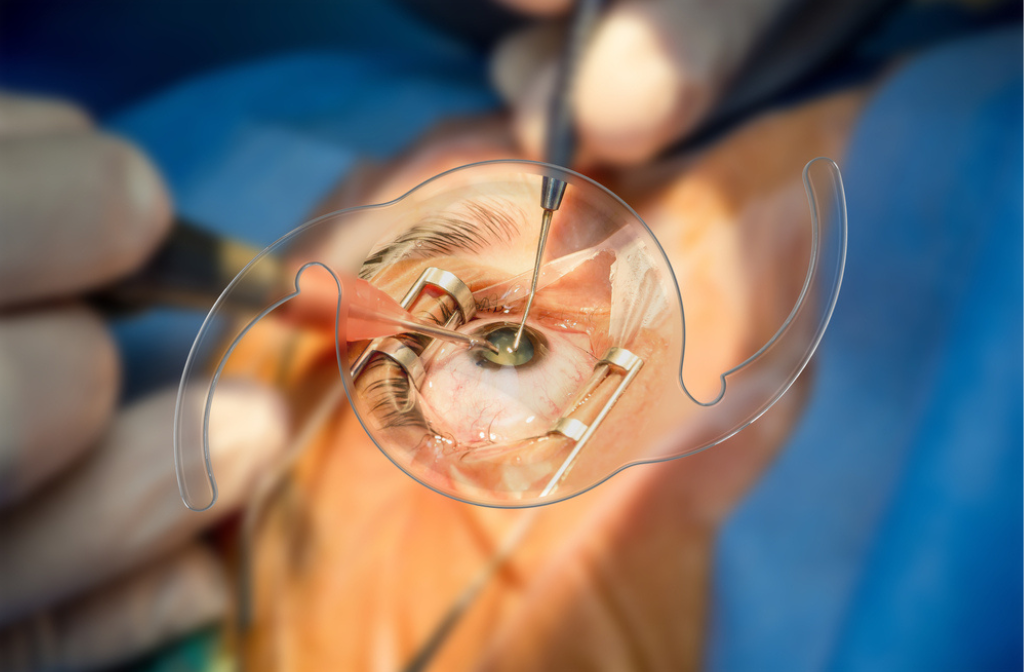
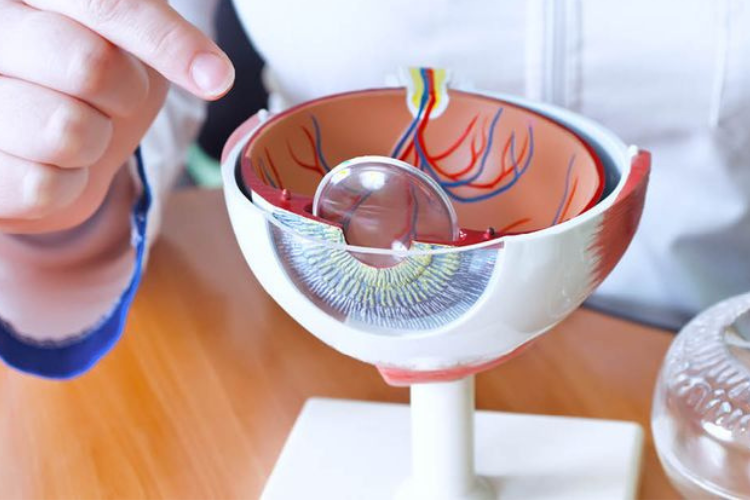
An intraocular lens (IOL) is an artificial lens implanted in your eye after removing the cataract-affected natural lens. The type of IOL you choose directly affects:
- Your clarity of vision
- Dependence on glasses
- Night driving comfort
- Overall satisfaction after surgery
According to the American Academy of Ophthalmology (AAO), IOL selection is one of the most critical decisions influencing post-surgery visual quality.
Factor 1: Your Visual Priorities (Distance, Near, or All Ranges)
Ask Yourself First: How Do You Use Your Vision Daily?
Your everyday visual needs should guide IOL selection.
Common Visual Priorities
- Driving and outdoor activities → Distance vision
- Reading and phone use → Near vision
- Computer work and multitasking → Intermediate vision
IOL Options Based on Visual Needs
Monofocal IOLs:
- Best for sharp distance vision
- Highest contrast sensitivity
- Glasses needed for reading
Multifocal / Trifocal IOLs:
- Designed for near, intermediate, and distance vision
- Up to 83% spectacle independence
EDOF (Extended Depth of Focus) IOLs:
- Smooth intermediate and distance vision
- Fewer halos than multifocal lenses
Think of monofocal lenses as a single-speed bicycle, while trifocal lenses work more like an automatic transmission—handling multiple ranges effortlessly.
Factor 2: Presence of Astigmatism
Why Astigmatism Matters in IOL Selection
Astigmatism causes blurred or distorted vision and must be addressed during cataract surgery for optimal results.
Best Solution: Toric IOLs
- Correct 1.5 diopters or more of corneal astigmatism
- 88% of patients achieve ≤0.5D residual astigmatism
- Reduces dependence on glasses post-surgery
Ignoring astigmatism is like aligning a car’s engine but leaving the wheels crooked—you won’t get a smooth ride.
Factor 3: Lifestyle & Daily Activities
Your Lifestyle Should Drive Your Lens Choice
Different IOLs suit different lifestyles:
- Active professionals → EDOF IOLs (excellent computer vision)
- Avid readers → Multifocal or trifocal IOLs
- Frequent night drivers → Monofocal or enhanced monofocal IOLs
Important Trade-Offs
- Multifocal IOLs may cause halos or glare (20–30% of patients)
- EDOF lenses offer fewer visual disturbances but weaker near vision
The National Eye Institute (NIH) emphasizes aligning IOL choice with lifestyle expectations to maximize satisfaction.
Factor 4: Overall Eye Health
Not All Eyes Are Ideal for Premium IOLs
Certain eye conditions affect IOL performance:
- Macular degeneration
- Diabetic retinopathy
- Glaucoma
- Previous retinal surgery
Patients with retinal disease often benefit most from:
- Monofocal or enhanced monofocal IOLs
- Better contrast sensitivity
- Fewer visual disturbances in low light
As a surgical retina eye specialist, Dr. Madhava Rao carefully evaluates retinal health before recommending premium lenses.
Factor 5: Cost, Technology & Long-Term Value
Understanding Cost vs Value
- Monofocal IOLs: Usually covered by insurance
- Premium IOLs: Additional out-of-pocket cost
- Light Adjustable Lens (LAL):
- Post-surgery customization
- 95% patient satisfaction
- Allows vision fine-tuning after healing
Role of Advanced Technology (FLACS)
Femtosecond Laser-Assisted Cataract Surgery (FLACS) improves:
- Lens positioning accuracy
- Astigmatism correction precision
- Predictable refractive outcomes
This technology is especially valuable when implanting premium IOLs.
What Happens If You Choose the Wrong IOL?
Choosing an unsuitable IOL can lead to:
- Persistent glare or halos
- Continued dependence on glasses
- Reduced contrast sensitivity
- Dissatisfaction despite technically successful surgery
That’s why personalized consultation is essential.
Why Choose Dr. Madhava Rao for Cataract Surgery?
Expertise That Protects Both Vision & Retina
- 28+ years of ophthalmic and vitreoretinal expertise
- Advanced cataract and retina evaluation
- Precision-guided IOL selection
- Retina-safe approach for complex eyes
Call to Action: Make the Right Choice for Your Vision
Your cataract surgery happens once—but its results last a lifetime. Don’t leave your IOL choice to chance.
Book a personalized cataract and IOL consultation today
Discover clarity, comfort, and confidence in your vision
Discover clarity, comfort, and confidence in your vision
Conclusion
Choosing the right IOL is a balance of science, lifestyle, eye health, and expectations. By considering your visual goals, astigmatism, daily activities, retinal health, and budget, you can achieve life-changing results from cataract surgery.
With expert guidance from Dr. Madhava Rao, patients receive not just surgery—but a vision strategy tailored for life after cataracts.
Additional FAQs (SEO-Optimized)
Q1. What is the best IOL for cataract surgery in 2026?
There is no single “best” IOL. The ideal choice depends on lifestyle, eye health, and visual goals.
Q2. Are multifocal IOLs safe for everyone?
No. Patients with retinal or macular disease may experience reduced contrast and are often better suited for monofocal lenses.
Q3. Can cataract surgery correct astigmatism permanently?
Yes. Toric IOLs can effectively correct astigmatism during cataract surgery.
Q4. Will I still need glasses after cataract surgery?
That depends on the IOL chosen. Premium lenses can reduce or eliminate glasses for many patients.
Q5. Is laser cataract surgery better for premium IOLs?
Yes. FLACS improves accuracy and outcomes, especially for toric and multifocal IOLs.