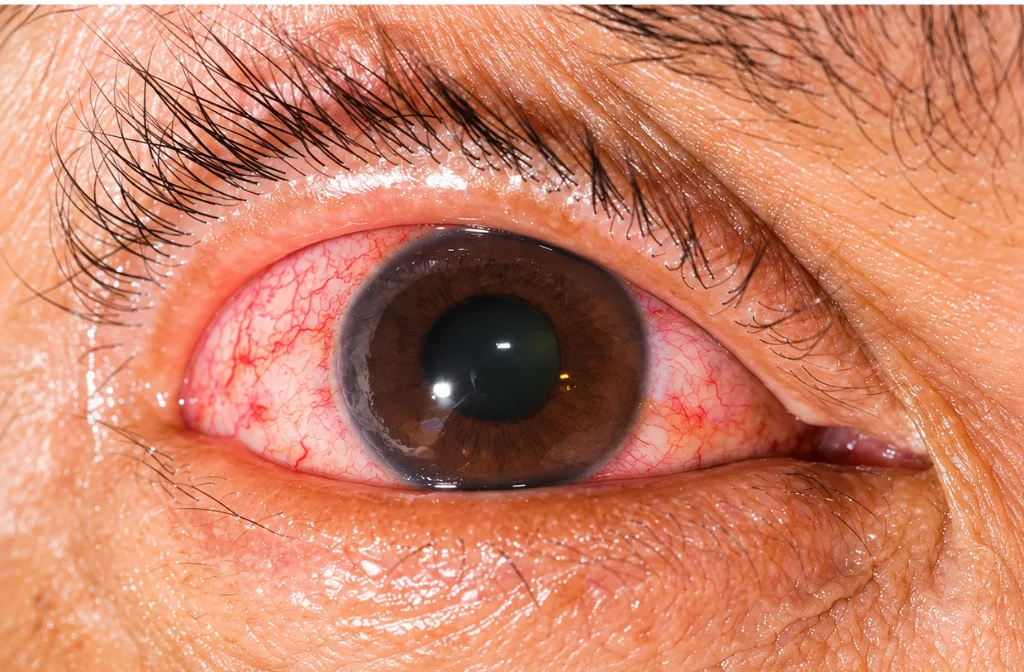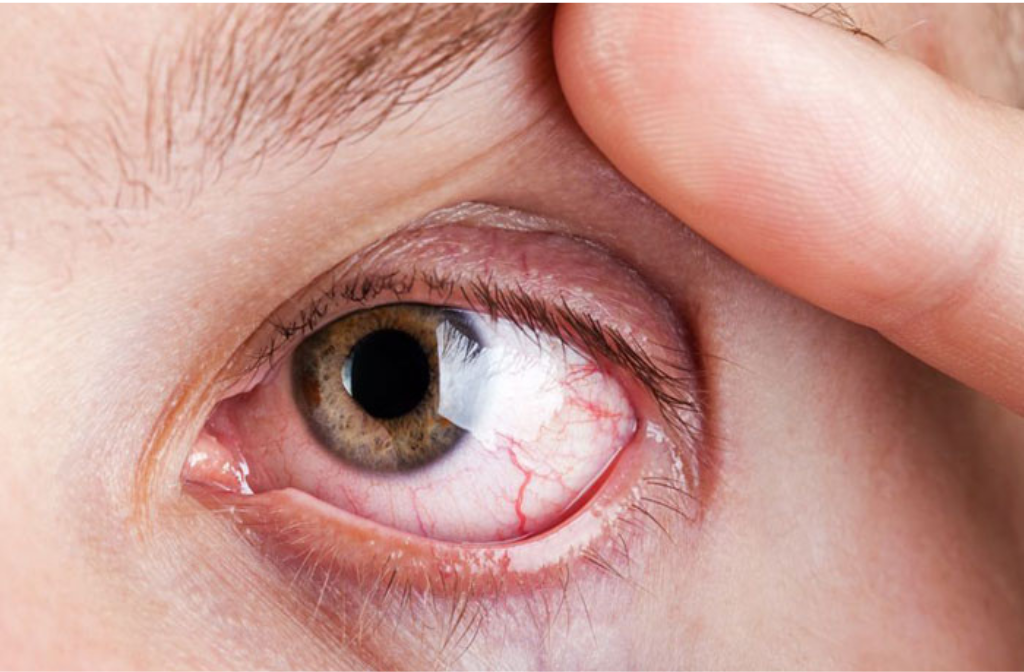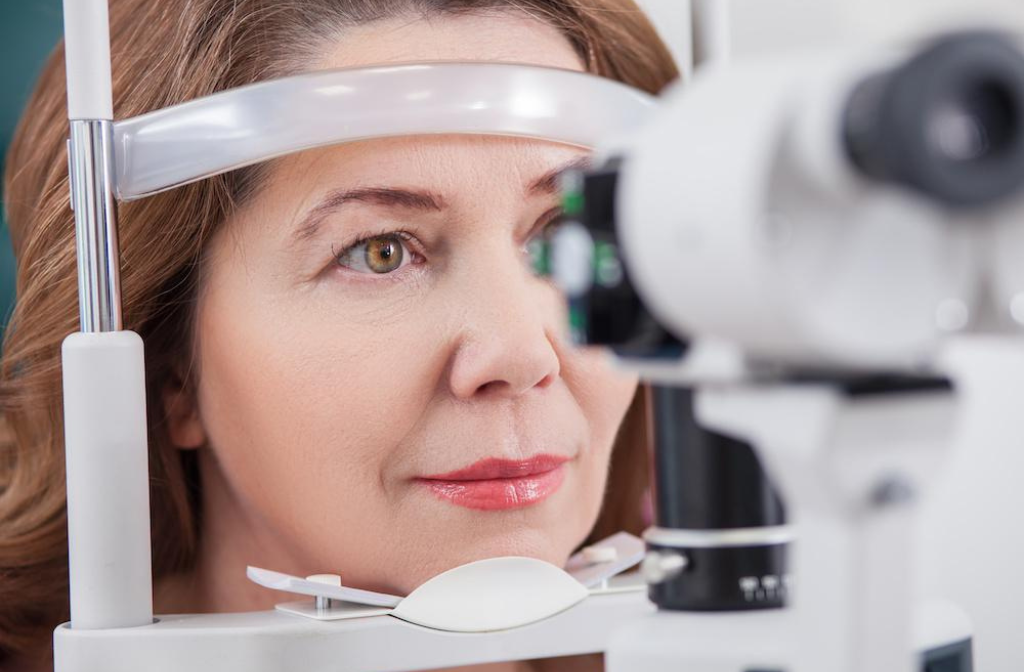
Can Vision Be Restored After Retinal Surgery?
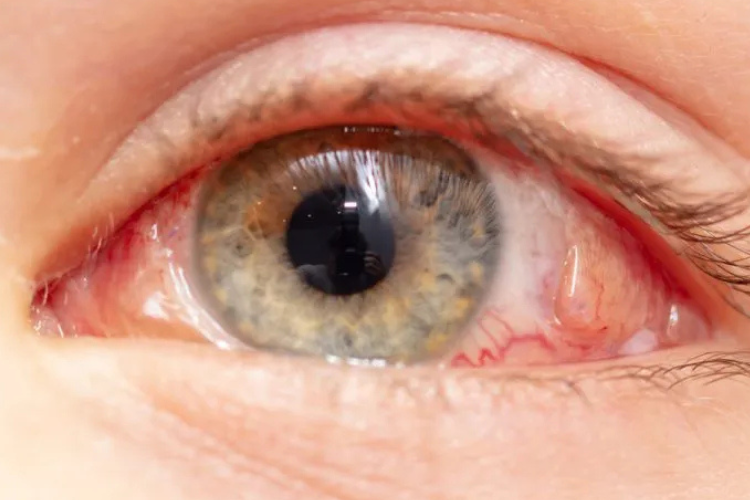
Losing vision—even temporarily—can feel like the world has suddenly gone dim. One of the first questions patients ask after being told they need retinal surgery is simple, honest, and deeply human: “Will I be able to see again?” The good news is that modern retinal surgery has made remarkable progress. In many cases, vision can be significantly restored—sometimes even life-changingly so. But the answer isn’t always black and white.
Let’s break it down clearly, realistically, and with science on our side.
Understanding Retinal Surgery and Why It Matters
The retina is the light-sensitive tissue lining the back of your eye. Think of it like the sensor in a digital camera—if it’s damaged or detached, the image simply doesn’t form correctly, no matter how good the lens is.
Retinal surgery is performed to repair serious, vision-threatening conditions such as retinal detachment, macular holes, diabetic retinopathy, or retinal bleeding. These conditions don’t just blur vision—they can permanently steal it if not treated in time.
At Retina Care Abu Dhabi, Dr. Madhava Rao, a highly experienced Eye Specialist in Abu Dhabi, focuses exclusively on advanced retinal conditions using modern vitreoretinal techniques.
Can Vision Be Restored After Retinal Surgery? The Honest Answer
Yes—vision can often be restored after retinal surgery, but the degree of recovery varies from person to person.
Here’s the key distinction many patients don’t realize:
- Anatomical success = the retina is successfully reattached (this happens in ~90% of cases)
- Visual success = how much eyesight actually improves afterward
A retina can be perfectly reattached, yet vision recovery depends on how long the retina was damaged, whether the macula was involved, and how quickly surgery was performed.
Retinal Surgery Success Rates: What Do Studies Show?
According to data published by the American Academy of Ophthalmology (AAO), modern retinal detachment surgery achieves 85–95% success in the first operation, with final success rates exceeding 90% after additional procedures if needed.
Macular hole surgery using vitrectomy shows 85–95% closure rates, with most patients experiencing meaningful visual improvement over time.
In short: the retina can usually be repaired—but vision recovery depends on timing and retinal health.
Retinal Surgery Success Rates: What Do Studies Show?
This is where expectations matter.
Reattaching the retina is like fixing a damaged cable. If the signal hasn’t been disrupted for too long, things can work almost normally again. But if the cable has been damaged for months, some signal loss may be permanent.
That’s why two patients with the same surgery can have very different outcomes.
Key Factors That Decide How Much Vision Returns
Macula-On vs Macula-Off Retinal Detachment
The macula controls central, detailed vision.
- Macula-on cases: Up to 83% achieve 20/40 vision or better
- Macula-off cases: 60–80% regain functional vision if repaired early
Timing of Surgery
Earlier surgery = better outcomes. Retinal detachments repaired within 7–14 days show significantly better visual recovery.
Age and Eye Health
Younger patients and those without diabetes or advanced retinal disease tend to recover faster.
Duration of Retinal Damage
Long-standing detachments may lead to permanent photoreceptor damage, limiting recovery.
Vision Recovery Timeline After Retinal Surgery
First Few Days:
- Blurry vision
- Light sensitivity
- Eye discomfort
Around 6 Weeks:
- Noticeable visual improvement
- Reduced distortion
3–6 Months:
- Vision stabilizes
- Brain adapts to retinal changes
Up to 1 Year:
- Final visual outcome achieved
Patience is key—retinal healing is a marathon, not a sprint.
Vision Recovery After Vitrectomy Surgery
Vitrectomy is one of the most common retinal procedures. If a gas bubble is used, vision may be very limited initially—like looking through water. As the bubble absorbs, clarity improves gradually.
Strict positioning after surgery plays a huge role in success, especially for macular hole repair.
When Vision May Not Fully Return
Despite successful surgery, some patients may experience limited recovery due to:
- Long-standing retinal detachment
- Severe diabetic retinopathy
- Macular scarring
- Retinal ischemia
Even then, surgery often prevents further vision loss, which is just as important.
Quality of Life After Retinal Surgery
Studies show that over 85% of patients report satisfaction with their vision after retinal surgery. Many regain independence—reading, driving, and daily activities become possible again.
That’s not just vision restored—that’s life restored.
When Should You See a Retina Specialist Immediately?
Don’t wait if you experience:
- Sudden flashes or floaters
- Curtain-like shadow in vision
- Rapid vision loss
- Distorted or wavy central vision
Early treatment can be the difference between recovery and permanent loss.
Why Choose Dr. Madhava Rao – Retina Specialist in Abu Dhabi
Choosing the right surgeon matters as much as the surgery itself.
Dr. Madhava Rao offers:
- Decades of vitreoretinal expertise
- Advanced vitrectomy techniques
- Precision-driven outcomes
- Personalized patient care
Conclusion: Is Vision Restoration Possible? Yes—With the Right Care
So, can vision be restored after retinal surgery?
In most cases—yes, significantly.
While not every eye returns to perfect vision, modern retinal surgery offers real hope, strong success rates, and meaningful quality-of-life improvement. The key lies in early diagnosis, expert surgical care, and realistic expectations.
Your vision is too precious to delay.
Frequently Asked Questions (FAQs)
Q1. Can vision fully return after retinal detachment surgery?
Vision can significantly improve, especially if treated early, but full restoration depends on macular involvement.
Q2. How long does vision recovery take after retinal surgery?
Most improvement occurs within 3–6 months, with full stabilization up to 1 year.
Q3. What is the success rate of retinal detachment surgery?
About 90% achieve successful retinal reattachment.
Q4. Is vitrectomy a permanent solution?
Yes, it is highly effective for many retinal conditions, though recovery takes time.
Q5. When should I see a retina specialist?
Immediately, if you experience flashes, floaters, or sudden vision changes.