Floaters or Flashes in Vision? Here’s What They Could Mean
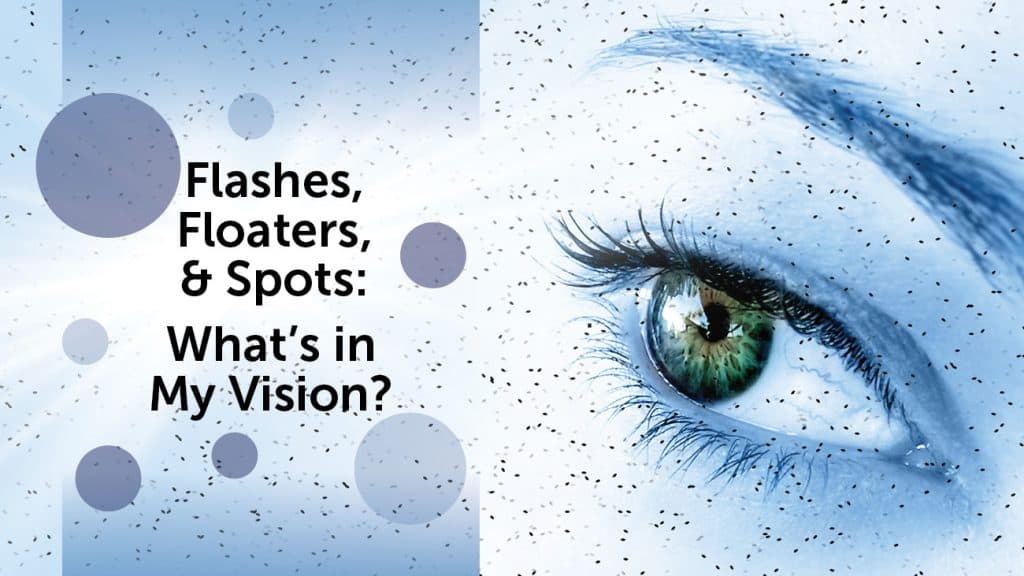
Have you ever noticed tiny spots drifting across your vision or sudden flashes of light like mini lightning streaks? While most of us dismiss them as harmless, these visual symptoms can sometimes point to a deeper eye condition that needs immediate attention.
In Abu Dhabi, under the expertise of Dr. Madhava Rao, Surgical Retina Eye Specialist in Abu Dhabi, we frequently see patients concerned about floaters and flashes. Understanding what they mean—and when they’re a sign of something serious—can protect your sight for years to come.
What Are Eye Floaters and Flashes?
- Floaters: Small dots, specks, or cobweb-like shapes drifting in your vision. They’re most visible when looking at a bright background, like the sky or a white wall.
- Flashes: Brief streaks of light, similar to seeing “stars” after rubbing your eyes, but they occur without an external cause.
Think of floaters as “tiny shadows” inside your eye and flashes as “electrical sparks” from your retina being tugged.
Symptoms of Floaters and Flashes
- Black or gray spots that move when you move your eye
- Cobwebs, rings, or squiggly lines in vision
- Sudden bursts of light (flashes)
- Blurred or obstructed vision
- Dark curtain or shadow creeping across vision (⚠️ emergency sign)
Causes of Floaters and Flashes
Most cases are benign, but some can be sight-threatening. Causes include:
- Age-related changes (posterior vitreous detachment)
- Retinal tear or detachment (urgent condition)
- Eye injury or trauma
- Diabetic retinopathy
- Eye inflammation (uveitis)
- Post-surgery or laser treatments
Age-Related Eye Changes
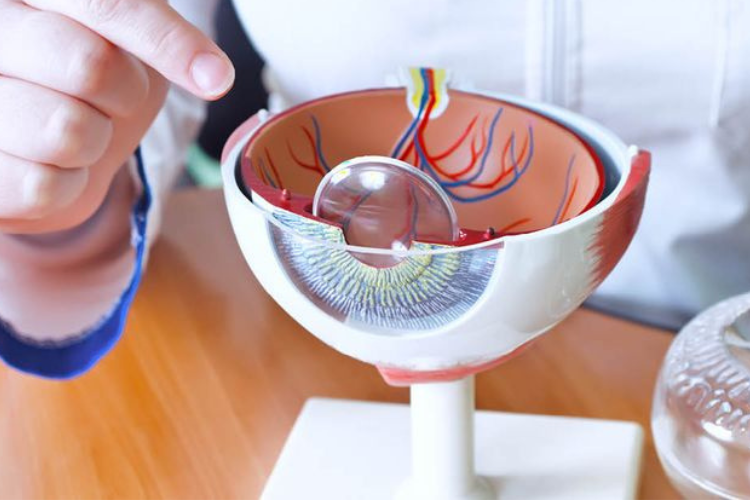
As we age, the vitreous gel inside the eye shrinks and becomes watery. This can cause clumps that cast shadows (floaters) or tug on the retina (flashes). This process, called posterior vitreous detachment (PVD), is common after age 50.
Posterior Vitreous Detachment (PVD)
- Very common: 75% of people over age 65 experience floaters
- Usually harmless, but may cause bothersome vision disturbances
- In 1 in 6 cases, PVD can lead to a retinal tear
Signs of Retinal Tear or Detachment
⚠️ Seek urgent medical care if you notice:
- Sudden increase in floaters
- Frequent or intense flashes
- Dark curtain-like shadow moving across vision
- Loss of side (peripheral) vision
Left untreated, retinal detachment can cause permanent blindness.
When to See a Doctor for Eye Floaters and Flashes
You should book an appointment with a retina specialist if:
- Floaters appear suddenly or increase rapidly
- Flashes persist in one eye
- You have diabetes, high myopia, or a history of eye injury
- You see a dark shadow or loss of vision
👉 For expert care, consult Dr. Madhava Rao – Retina Specialist Abu Dhabi
Risk Factors for Floaters and Flashes
- Age above 50
- Diabetes or high blood pressure
- Nearsightedness (myopia)
- History of eye surgery (e.g., cataract removal)
- Eye trauma
Treatment Options for Eye Floaters
- Observation: Most floaters fade or become less noticeable with time.
- Laser treatment (vitreolysis): Breaks down large floaters.
- Vitrectomy surgery: Removes vitreous gel but is used only for severe, vision-impacting floaters.
For flashes due to retinal tears, laser therapy or cryotherapy is often performed to seal the retina.
Living With Floaters
For most people, floaters are just an annoyance. Tips include:
- Move your eyes to shift floaters out of central vision
- Wear sunglasses outdoors to reduce glare
- Regularly monitor for new symptoms
Why Early Detection Matters
- 14% of patients with floaters/flashes have a retinal tear
- 50% of untreated retinal tears progress to retinal detachment
- Quick diagnosis = sight saved
Why Choose Dr. Madhava Rao?
- Led by Dr. Madhava Rao – Surgical Retina Eye Specialist in Abu Dhabi
- Advanced imaging (OCT, fundus photography, angiography)
- Evidence-based treatments, including laser and surgery
- Compassionate, patient-centered care
- Trusted by patients across the UAE
👉 Learn more and book your appointment with our Eye Specialist in Abu Dhabi.
FAQs – Voice Search Optimized
Q1. What do floaters and flashes in vision mean?
They may be due to age-related vitreous changes, but sudden symptoms can signal a retinal tear.
Q2. Are floaters dangerous?
Most floaters are harmless, but if they appear suddenly with flashes, see an eye specialist immediately.
Q3. How do you know if floaters are serious?
If accompanied by flashes, vision loss, or a dark shadow, they may indicate retinal detachment.
Q4. Can eye floaters go away naturally?
They usually fade or become less noticeable over time, but rarely disappear completely.
Q5. When should I see a doctor for floaters?
Immediately, if there’s a sudden increase, flashes of light, or curtain-like vision loss.
Call to Action: Protect Your Vision Today
Don’t ignore floaters or flashes—they may be your eyes’ way of warning you. Schedule a consultation with Dr. Madhava Rao, leading Retina Specialist in Abu Dhabi and ensure your vision is safe.
📞 Book your appointment today: Retina Care Abu Dhabi