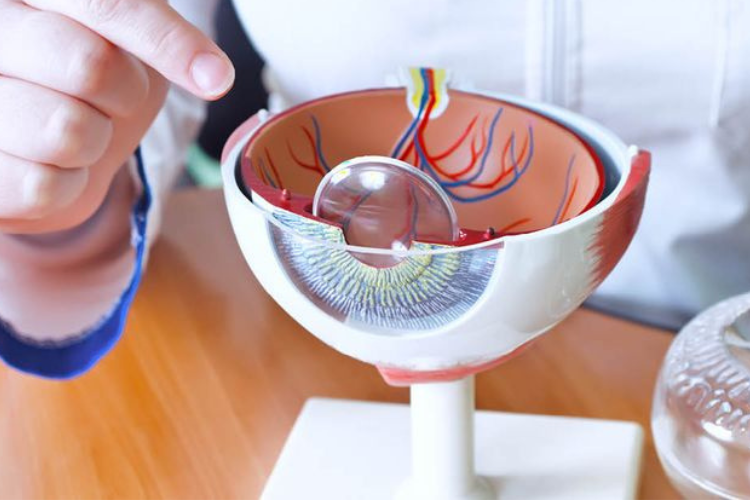
How Retinal Laser Treatments Help Restore Clear Vision
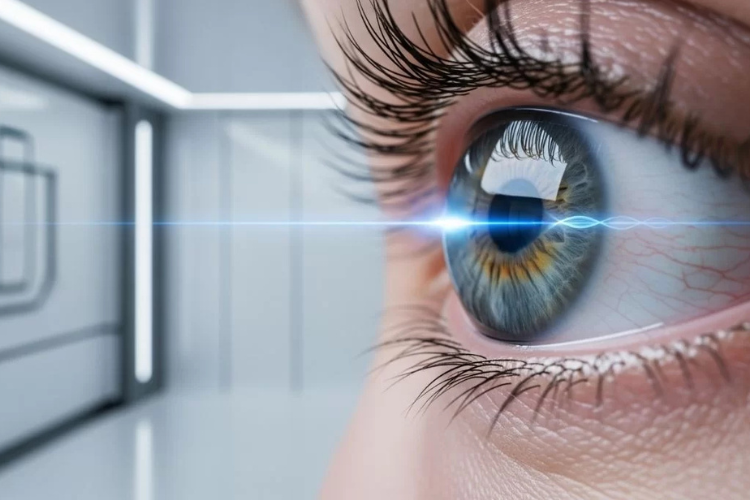
Clear vision depends on the health of the retina—the delicate, light-sensitive layer at the back of the eye. When the retina is damaged by disease or injury, it can lead to blurred vision, dark spots, or even permanent vision loss. Fortunately, modern eye care offers advanced solutions like retina laser surgery and retinal laser treatment that help stabilize and protect vision.
At Retina Care Abu Dhabi, advanced procedures such as retinal laser treatment in Abu Dhabi are performed to treat retinal conditions and preserve eyesight. If you want to understand how this treatment works, explore the service here.
But how exactly does a laser help restore clear vision? Let’s explore.
What Is Retinal Laser Treatment?
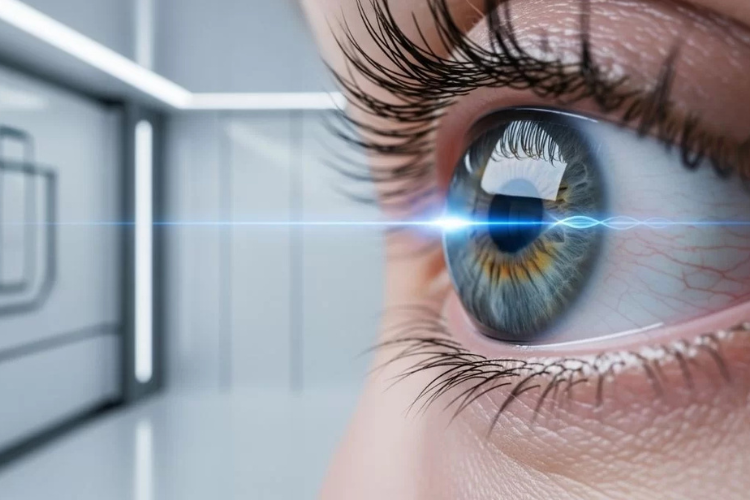
Retinal laser treatment, also known as laser photocoagulation or laser retinopexy, is a minimally invasive procedure used to treat and prevent various retinal disorders. It uses a focused beam of light to seal, shrink, or repair damaged retinal tissue.
How Laser Technology Works on the Retina
Think of the retina like the film in a camera. If the film gets damaged, the image becomes distorted. A laser works like a microscopic repair tool that strengthens weak areas and seals leaks in blood vessels.
The laser beam:
- Creates tiny controlled burns on the retina
- Seals leaking blood vessels
- Prevents retinal tears from worsening
- Reduces abnormal blood vessel growth
According to the American Academy of Ophthalmology, laser photocoagulation remains one of the most effective treatments for several retinal diseases.
Why Laser Therapy Is Used in Eye Care
Ophthalmologists often recommend retina laser treatment because it:
- Prevents further damage to the retina
- Stabilizes vision in progressive diseases
- Helps reduce swelling and bleeding
- Lowers the risk of retinal detachment
Common Eye Conditions Treated with Retinal Laser Therapy
Diabetic Retinopathy
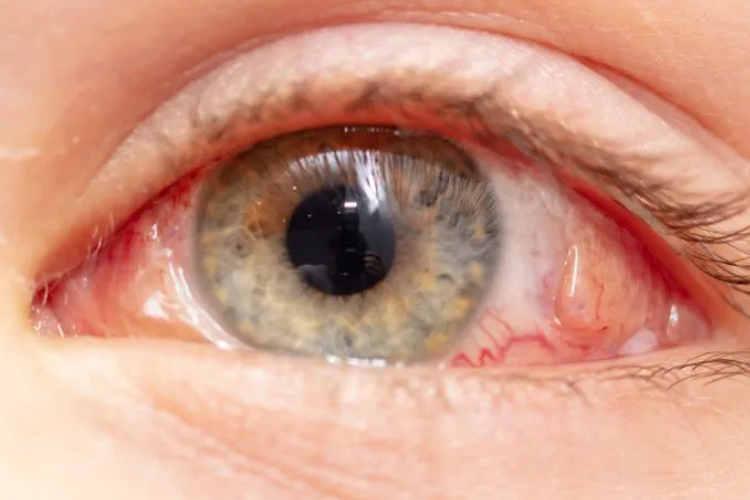
One of the most common reasons for retinal laser treatment is diabetic retinopathy. High blood sugar damages retinal blood vessels, causing leakage and swelling.
Laser therapy helps by:
- Sealing leaking vessels
- Reducing abnormal vessel growth
- Preventing severe vision loss
Studies show laser treatment can reduce the risk of moderate vision loss by about 50% in diabetic macular edema cases.
Retinal Tears and Detachment Risk
Small tears in the retina can lead to serious complications if untreated.
Laser retinopexy creates a scar around the tear, which:
- Seals the retina to underlying tissue
- Prevents fluid from entering the tear
- Reduces the chance of retinal detachment
Clinical studies report success rates of around 93% for preventing detachment after laser retinopexy.
Macular Edema
In this condition, fluid accumulates in the macula (central retina), causing blurry vision. Laser photocoagulation helps reduce swelling and stabilize vision.
Retinopathy of Prematurity (ROP)
Premature infants can develop abnormal retinal blood vessels. Laser treatment can stop abnormal growth and preserve visual development.
Research indicates success rates of 82–86% in ROP cases treated with laser therapy.
Benefits of Retinal Laser Treatment for Vision Preservation
Preventing Vision Loss
The primary goal of retina laser surgery is to prevent disease progression and protect remaining vision.
Quick Outpatient Procedure
Most procedures take 10–30 minutes, making it a convenient treatment option.
Minimal Recovery Time
Patients typically resume normal activities within a day, with only minor temporary vision changes.
Step-by-Step Retinal Laser Procedure Explained
Preparation Before Treatment
Before the procedure:
- Eye drops are used to dilate the pupil
- Local anesthetic drops numb the eye
- A special contact lens may be placed on the eye
During the Laser Procedure
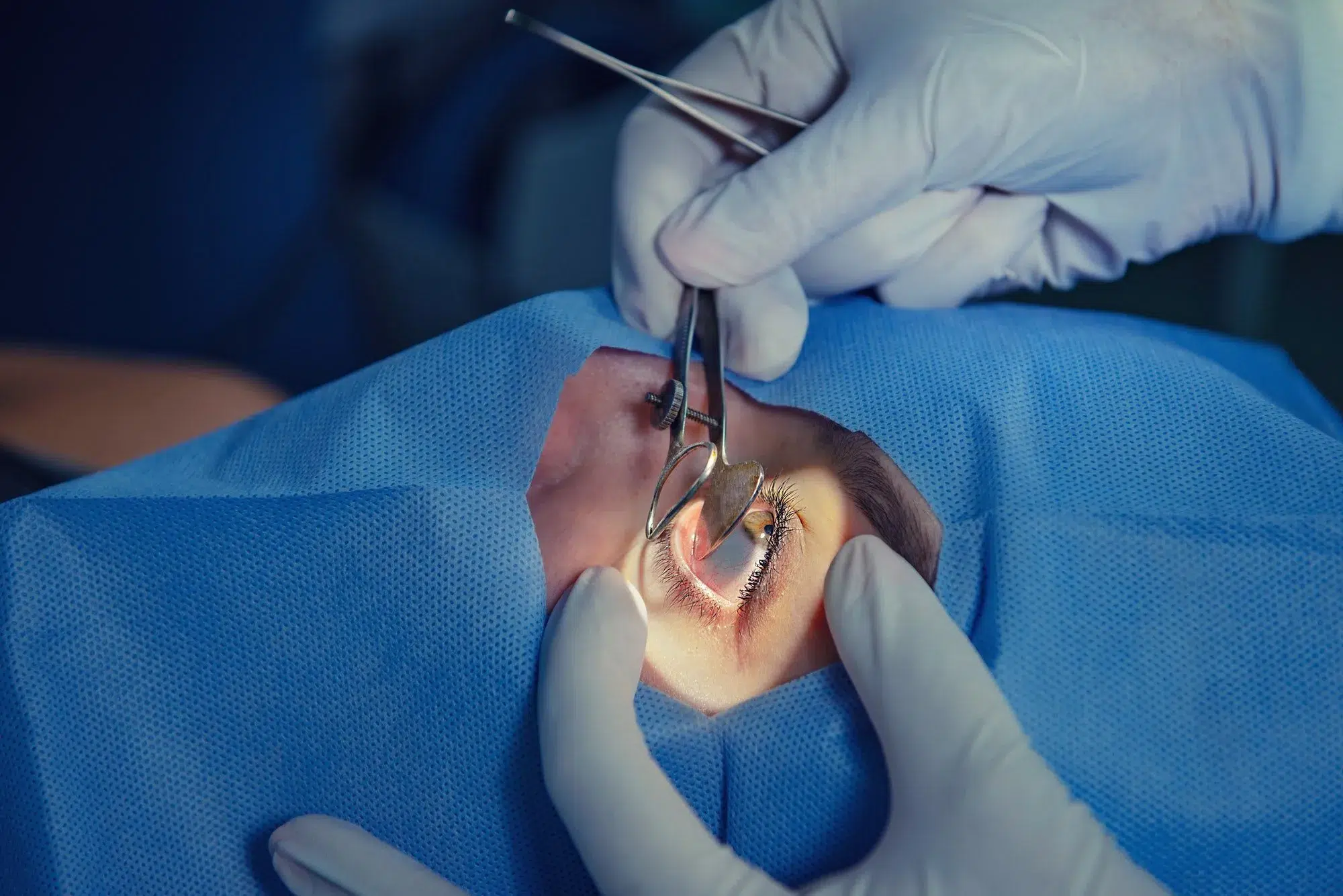
During the retinal laser procedure:
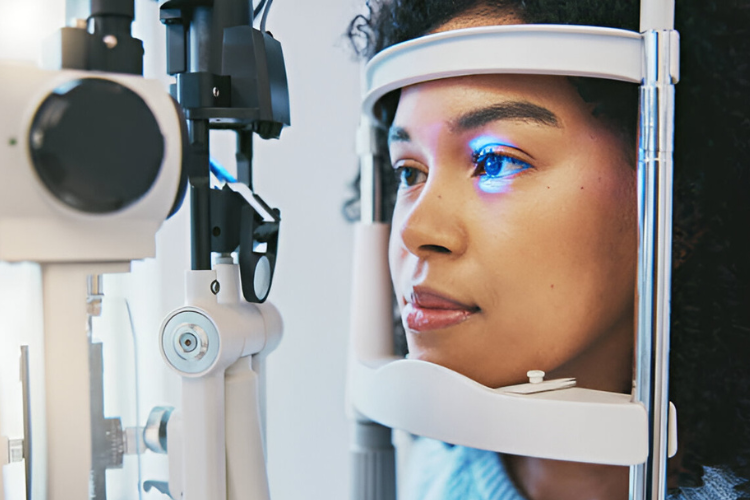
- The patient sits at a specialized microscope.
- The ophthalmologist directs laser pulses at targeted retinal areas.
- The laser creates microscopic burns to seal or strengthen tissue.
Most patients feel little to no pain, though mild discomfort or flashes of light may occur.
Aftercare and Recovery
After the treatment:
- Vision may be blurry for a few hours
- Patients should avoid strenuous activities temporarily
- Follow-up exams monitor healing
How Retinal Laser Treatment Restores Clear Vision
While the procedure doesn’t always reverse existing damage, retinal laser therapy stabilizes vision and prevents further deterioration.
It works by:
- Blocking abnormal blood vessel growth
- Strengthening weak retinal areas
- Preventing retinal detachment
By stopping disease progression, patients maintain clearer and more stable vision.
Safety and Success Rates of Retinal Laser Therapy
Retinal laser treatments have been used safely for decades.
Benefits include:
- High success rates in preventing retinal detachment
- Effective management of diabetic retinopathy
- Reduced risk of severe vision loss
The National Eye Institute also highlights laser photocoagulation as a key treatment for retinal diseases worldwide.
Who Needs Retinal Laser Treatment?
You may need retina laser treatment if you experience:
- Sudden flashes or floaters
- Blurred or distorted vision
- Diabetic eye disease
- Retinal tears detected during an eye exam
Early diagnosis dramatically improves treatment outcomes.
When Should You See a Retina Specialist?
If you notice sudden vision changes, it’s important to consult a retina specialist immediately.
Delaying treatment can allow retinal damage to worsen, potentially leading to permanent vision loss.
Why Choose Dr. Madhava Rao for Retinal Care in Abu Dhabi
Choosing the right retina specialist is critical for preserving your eyesight.
Dr. Madhava Rao is recognized as a trusted retina specialist Abu Dhabi and eye specialist in Abu Dhabi with extensive experience in treating complex retinal diseases.
Patients benefit from:
- Advanced retinal diagnostic technology
- Personalized treatment plans
- Expertise in laser retinopexy and retina laser surgery
- Patient-centered care and long-term vision management
Learn more about expert retinal laser treatment in Abu Dhabi offered by Dr. Madhava Rao.
Conclusion
Healthy vision depends on early detection and proper treatment of retinal diseases Retinal laser treatment has transformed modern ophthalmology by offering a safe, effective, and minimally invasive way to stabilize retinal conditions.
Whether it’s diabetic retinopathy, retinal tears, or macular edema, laser therapy can protect vision and prevent serious complications. If you notice changes in your eyesight, seeking timely care from an experienced retina specialist can make all the difference.
Your vision is priceless—taking proactive steps today can help preserve clear sight for years to come.
Frequently Asked Questions (FAQs)
Q1. Is retinal laser treatment painful?
Most patients experience little discomfort. Numbing eye drops are used to keep the procedure comfortable.
Q2. How long does retinal laser surgery take?
The procedure usually takes 10–30 minutes and is performed on an outpatient basis.
Q3. Can retinal laser treatment restore vision completely?
The treatment primarily prevents further damage and stabilizes vision. Some patients may notice improvement.
Q4. Are there risks involved?
Like any medical procedure, minor risks exist, but complications are rare when performed by experienced specialists.
Q5. How soon can I return to normal activities?
Most patients resume normal activities within 24 hours, though your doctor may recommend temporary precautions.
Book a Consultation for Expert Retinal Care
If you’re experiencing symptoms of retinal disease or have been diagnosed with diabetic retinopathy or retinal tears, early treatment is essential.
Consult a retina specialist to determine whether retinal laser treatment can help protect your vision and prevent complications.