How the UAE’s Lifestyle Can Affect Your Retina Health

The Rise of Retinal Surgeries in the UAE: What Patients Need to Know
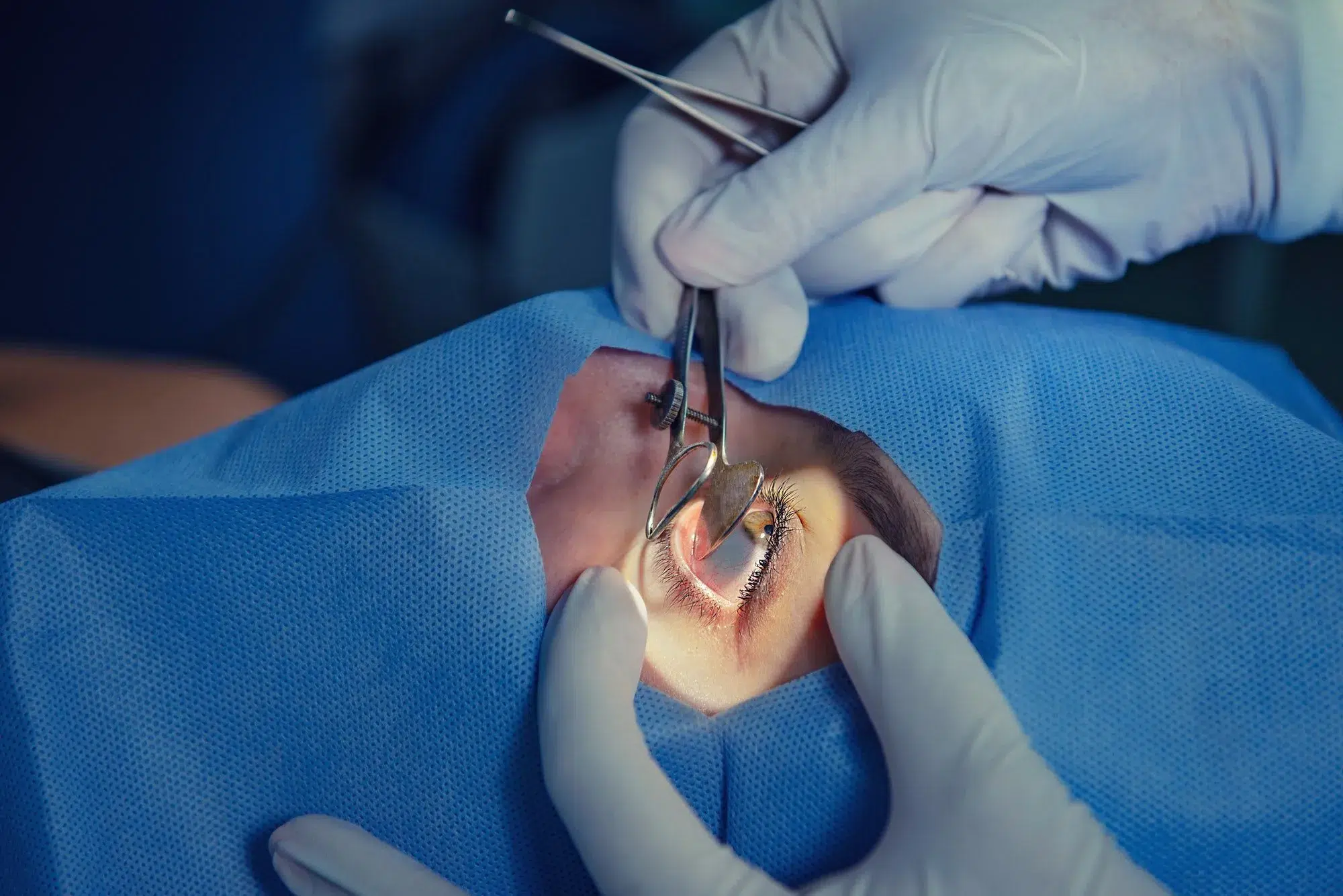
In recent years, retinal surgery has become one of the fastest-growing ophthalmic procedures in the UAE. With advanced technology, rising diabetes rates, and increased awareness, more patients are seeking timely care from retina specialists preserve their vision.
According to recent studies, over 80% of UAE residents are aware of eye surgery options—but only 27%take timely action. This awareness-to-action gap highlights how essential education and expert consultation are in preventing irreversible vision loss.
If you or someone you love is experiencing symptoms like flashes, floaters, or blurred central vision, it may be time to consult Dr. Madhava Rao, an experienced retina specialist in Abu Dhabi.
Learn more about vitreo-retinal surgery in Abu Dhabiwith Dr. Madhava Rao.
Why Retinal Surgeries Are on the Rise in the UAE
The UAE’s healthcare system has rapidly adopted cutting-edge ophthalmic innovations, particularly in vitreo-retinal surgery. Market research shows that the UAE ophthalmology sector is now worth USD 62.4 billion (2025) and growing at 7.9% annually.
Several factors are driving this rise:
- High diabetes prevalence (19%), increasing diabetic retinopathy cases.
- Medical tourism growth (35% year-on-year) for eye procedures.
- Wider access to retina specialists and microsurgical equipment.
Wider access to retina specialists and microsurgical equipment.
What Is Retinal Surgery?
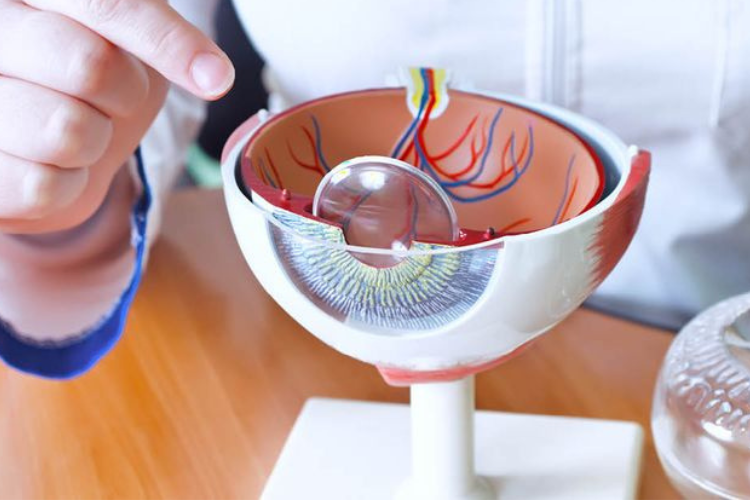
Retinal surgery encompasses a group of procedures designed to repair or restore the retina — the delicate layer at the back of the eye responsible for processing light.
The most common type is vitrectomy, where the surgeon removes the vitreous gel to access and treat the retina directly. Another common method is pars plana vitrectomy (PPV), a minimally invasive approach offering excellent recovery outcomes.
These advanced surgeries are now performed routinely with 3D visualization, micro-incision technology, and sutureless techniques, providing greater precision and patient comfort.
Conditions That Require Retinal Surgery
Retinal surgery is not limited to emergencies. It’s often recommended for several serious but treatable eye conditions, including:
1. Diabetic Retinopathy
A common complication of diabetes where blood vessels leak or close off, leading to vision loss.
Early surgical treatment through vitrectomy can prevent blindness.
2. Retinal Detachment
A medical emergency in which the retina peels away from its underlying tissue.
Timely retinal reattachment surgery can restore vision in up to 90% of cases.
3. Macular Hole & Epiretinal Membrane
These affect central vision, making reading and driving difficult.
Micro-surgical techniques offer over 95% success rates for anatomical repair
4. Vitreous Hemorrhage
Bleeding inside the eye often obscures vision; vitrectomy helps clear the blood and restore clarity.
5. Age-Related Macular Degeneration (AMD)
While not always surgical, advanced AMD cases may benefit from specific interventions and close monitoring.
When to See a Retina Specialist
Wondering when to see a retina specialist? Here are key warning signs:
- Flashes of light or sudden floaters
- A shadow or “curtain” over part of your vision
- Sudden loss of clarity or distorted vision
- Diabetic patients with fluctuating vision
If you notice any of these symptoms, don’t delay — early diagnosis often makes the difference between saving and losing sight.
How Safe Is Retinal Surgery Today?
- 89.8–100% single-operation reattachment rate
- 96.7% functional success after reattachment
- 1–3% post-operative retinal detachment risk
- 3–18% risk of minor vitreous rebleeding
Advancements like small-gauge vitrectomy (23G, 25G, 27G) and 3D imaging systems have dramatically reduced recovery time and complications.
(Source: American Academy of Ophthalmology )
Recovery & Aftercare
Most patients recover from vitrectomy or retinal detachment surgery within 2 to 6 weeks.
During this period:
- Follow post-operative positioning instructions (especially after gas-bubble use).
- Use prescribed eye drops regularly.
- Avoid heavy lifting, flying, or bending.
- Attend all follow-up appointments.
Proper aftercare ensures optimal healing and reduces the risk of recurrence.
Success Rates & Patient Outcomes
Studies show that 70.37% of patients in the UAE report high satisfaction after retinal surgery.
With advanced microsurgical tools and personalized treatment plans, most regain functional vision quickly and safely.
Cost & Accessibility in the UAE
Compared to global averages, the UAE offers competitive pricing for retinal surgeries without compromising quality.
Costs depend on the complexity of the condition, surgical technology, and aftercare requirements — but medical tourism growth (35%) proves that UAE facilities combine excellence with accessibility.
For those in Abu Dhabi, consulting Dr. Madhava Rao, a highly skilled vitreo-retinal surgeon, is an excellent first step toward personalized care.
Learn more about vitreo-retinal surgery in Abu Dhabi with Dr. Madhava Rao.
Why Choose Dr. Madhava Rao?
- Renowned retina specialist in Abu Dhabi with decades of surgical experience
- Expert in complex retinal procedures like pars plana vitrectomy and retinal detachment repair
- Utilizes advanced, minimally invasive surgical systems
- Known for his patient-first approach and personalized treatment plans
For those seeking the highest success rates and safe recovery, Dr. Madhava Rao combines precision, compassion, and clinical excellence.
Take Charge of Your Vision Today
If you’re noticing signs of retinal damage — or managing diabetes with vision changes — don’t wait.
Book a consultation with Dr. Madhava Rao today to safeguard your sight and understand your treatment options.
Learn more about vitreo-retinal surgery in Abu Dhabi.
Frequently Asked Questions (FAQ)
Q1. What is retinal surgery used for?
It’s used to repair conditions like retinal detachment, diabetic retinopathy, macular holes, and vitreous hemorrhage.
Q2. Is retinal surgery painful?
No. The procedure is performed under anesthesia, and patients usually experience only mild discomfort afterward.
Q3. How long does recovery take?
Full recovery typically occurs within 2 to 6 weeks, depending on the condition and the patient’s adherence to aftercare.
Q4. Can retinal surgery restore lost vision?
In many cases, yes—especially if treated early. The goal is to preserve existing vision and prevent further damage.
Q5. What are the risks of retinal surgery?
Minor risks include infection, re-detachment, or mild bleeding, but these are rare under expert supervision.
Q6. When should I see a retina specialist?
Seek immediate care if you experience sudden vision changes, flashes, or floaters — these can indicate retinal tears or detachment.
Q7. Are retinal surgeries common in the UAE?
Yes. With the UAE’s high diabetes prevalence and rapid technological adoption, retinal surgeries are among the most frequently performed ophthalmic procedures.
Conclusion
The rise of retinal surgeries in the UAE reflects both a growing medical need and a leap in surgical excellence.
From diabetic retinopathy to retinal detachment, early diagnosis and treatment are key to protecting your vision.
Whether you’re managing chronic eye conditions or facing an urgent issue, consulting Dr. Madhava Rao, a trusted retina specialist in Abu Dhabi, ensures expert evaluation and world-class care.