
Why Intravitreal Injections Are Becoming a Preferred Retina Treatment in the UAE
Eye care in the UAE has evolved rapidly over the last decade, particularly in the field of retinal disease management. Among the most notable shifts is the growing reliance on intravitreal injections—a targeted, evidence-based treatment now widely used for conditions that once led to permanent vision loss.
In cities like Abu Dhabi, patients are increasingly seeking timely, minimally invasive solutions that preserve vision while fitting into modern lifestyles. This article explains why intravitreal injections are gaining popularity in the UAE, how they work, who benefits most, and what patients should know before considering treatment—guided by current research and real-world clinical trends.
What Are Intravitreal Injections?
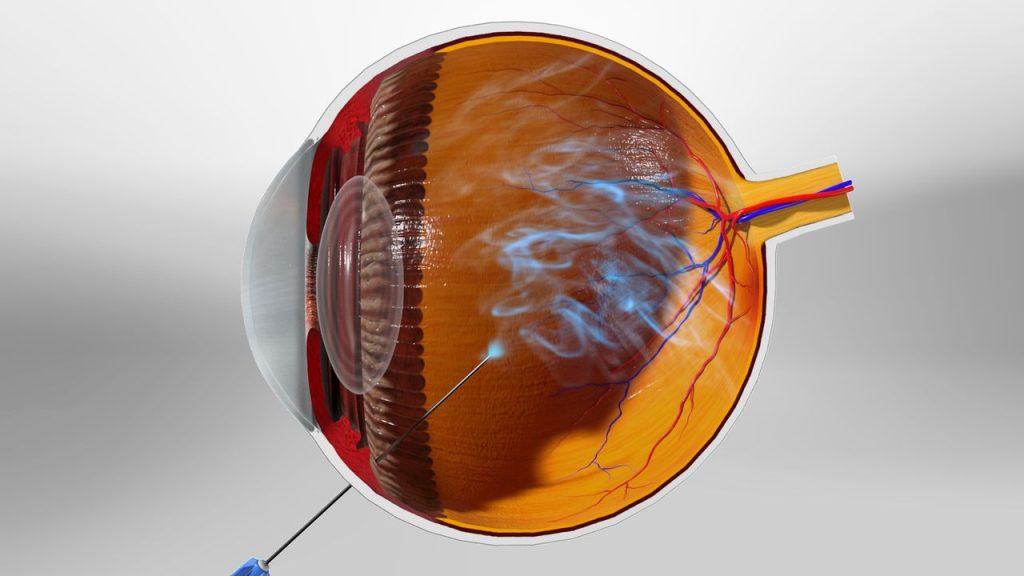
Intravitreal injections are medications delivered directly into the vitreous gel of the eye. This method allows the drug to act precisely where it’s needed—on the retina—without significant systemic exposure.
Conditions Commonly Treated
- Diabetic Macular Edema (DME)
- Age-Related Macular Degeneration (AMD)
- Retinal Vein Occlusion (RVO)
- Inflammatory retinal diseases
These injections often include anti-VEGF agents or steroids, which reduce abnormal blood vessel growth, swelling, and inflammation—key drivers of vision loss.
Why Intravitreal Injections Are Increasingly Popular in the UAE
1. Rising Prevalence of Diabetes and Age-Related Eye Disease
The UAE has one of the highest diabetes prevalence rates globally. According to the International Diabetes Federation, nearly 16% of adults in the UAE live with diabetes, significantly increasing the risk of diabetic retinopathy and macular edema. Early intervention using intravitreal therapy has proven effective in preserving vision when these conditions are detected promptly.
2. Shift Toward Evidence-Based, Non-Surgical Care
Modern ophthalmology favors treatments supported by large-scale clinical trials. Intravitreal injections are backed by decades of data demonstrating consistent vision stabilization and improvement for various retinal conditions. This scientific credibility has driven both physician confidence and patient acceptance.
2. Shift Toward Evidence-Based, Non-Surgical Care
With advanced ophthalmology centers and subspecialists now widely available, patients can access a retina specialist in Abu Dhabi without traveling abroad. Early diagnosis combined with localized treatment has improved outcomes and reduced long-term complications.
For patients seeking expert evaluation, consulting a trusted retina specialist in Abu Dhabi ensures accurate diagnosis and personalized treatment planning:
How Safe Are Intravitreal Injections?
Safety concerns are common, especially for first-time patients. However, when administered by experienced specialists, intravitreal injections have a very low complication rate.
Large clinical studies show the risk of serious infection (endophthalmitis) is less than 0.05% per injection, making it one of the safest ophthalmic procedures when proper protocols are followed. This matters because patients often require repeated injections over time, and cumulative safety is critical.
Source: https://www.aao.org/eye-health/treatments/intravitreal-injections
Why Abu Dhabi Patients Are Choosing This Treatment Earlier
Proactive Eye Health Culture
Public awareness around preventive healthcare has grown significantly in the UAE. Patients are no longer waiting for severe vision loss before seeking help.
Minimal Downtime
Unlike surgery, intravitreal injections:
- They are completed in minutes
- Requires no hospital stay
- Allow patients to resume normal activities quickly
This convenience aligns well with the fast-paced professional lives common in Abu Dhabi.
What to Expect During the Procedure
Patients often worry about discomfort, but the process is straightforward:
- The eye is numbed with anesthetic drops
- The area is sterilized thoroughly
- Medication is injected painlessly into the eye
- The patient rests briefly and goes home the same day
Most patients report only mild irritation for 24 hours.
How Often Are Injections Needed?
Treatment frequency depends on the condition and individual response. Some patients need monthly injections initially, followed by less frequent maintenance doses.
A personalized treatment plan—guided by retinal imaging and clinical response—is essential. Clinics offering intravitreal injections in Abu Dhabi typically monitor progress closely to avoid overtreatment while maintaining results.
Cost, Accessibility, and Insurance Considerations
While intravitreal injections can be costly over time, many insurance providers in the UAE now recognize them as standard-of-care treatments for retinal disease. This has made therapy more accessible to a broader patient population.
Early treatment often reduces long-term costs by preventing severe vision impairment or surgical intervention—an important consideration for both patients and healthcare systems.
Frequently Asked Questions
Q1. Are intravitreal injections painful?
Most patients feel pressure, not pain, due to effective local anesthesia.
Q2. How soon will vision improve?
Some patients notice changes within weeks, while others require multiple sessions.
Q3. Is this a lifelong treatment?
Not always. Some conditions stabilize, while others need long-term management.
Expert Conclusion
The growing popularity of intravitreal injections in the UAE reflects a broader shift toward proactive, precision-based eye care. Backed by strong clinical evidence, improved accessibility, and high safety standards, these treatments have transformed outcomes for patients with retinal disease—especially in Abu Dhabi.
Early diagnosis, expert evaluation, and individualized care remain the cornerstones of success. Choosing an experienced retina specialist ensures not only effective treatment but also long-term vision preservation.
If you or a family member is experiencing changes in vision, an evaluation by an experienced retina specialist in Abu Dhabi can help determine whether modern treatments like intravitreal injections are appropriate—before vision loss becomes permanent.