Retina Eye Check-Up: Who Needs One Every Year?
Why Your Retina Deserves More Attention.
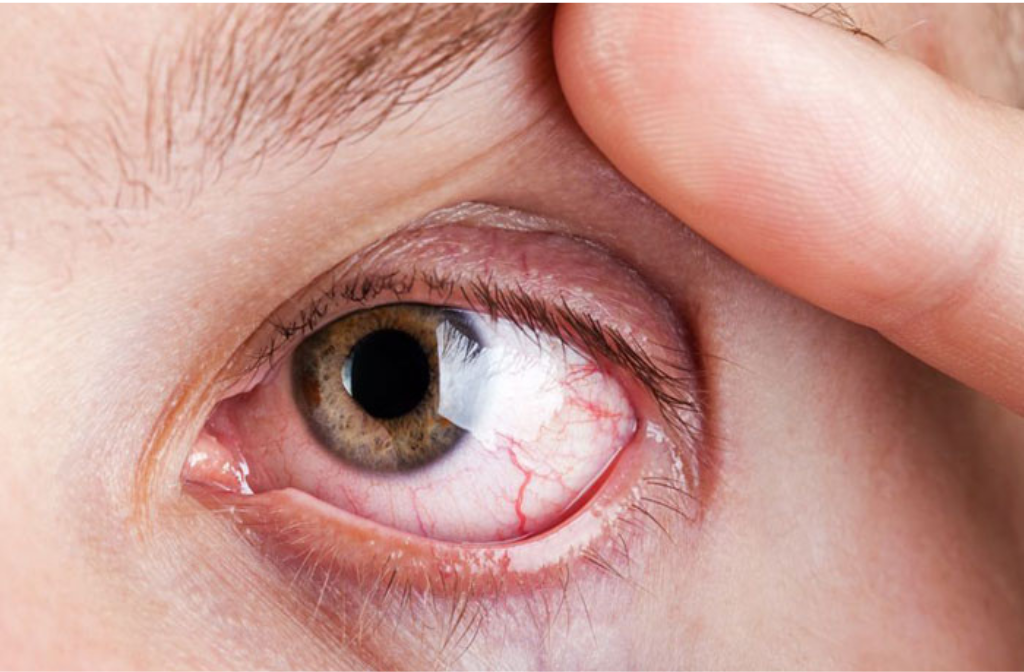
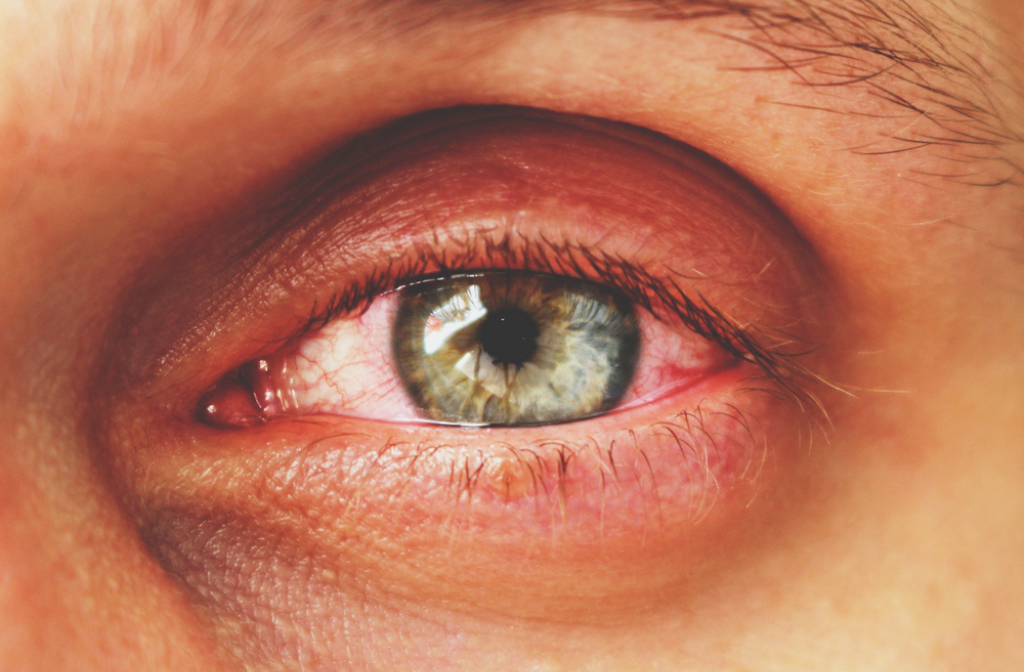
Most people schedule an eye exam only when their vision becomes blurry or they struggle to read small text. But what if serious eye diseases were developing silently long before symptoms appeared? Your retina, the light-sensitive tissue at the back of the eye, plays a crucial role in vision, and many retinal conditions can progress unnoticed until significant damage has already occurred.
What Is a Retina Eye Check-Up?
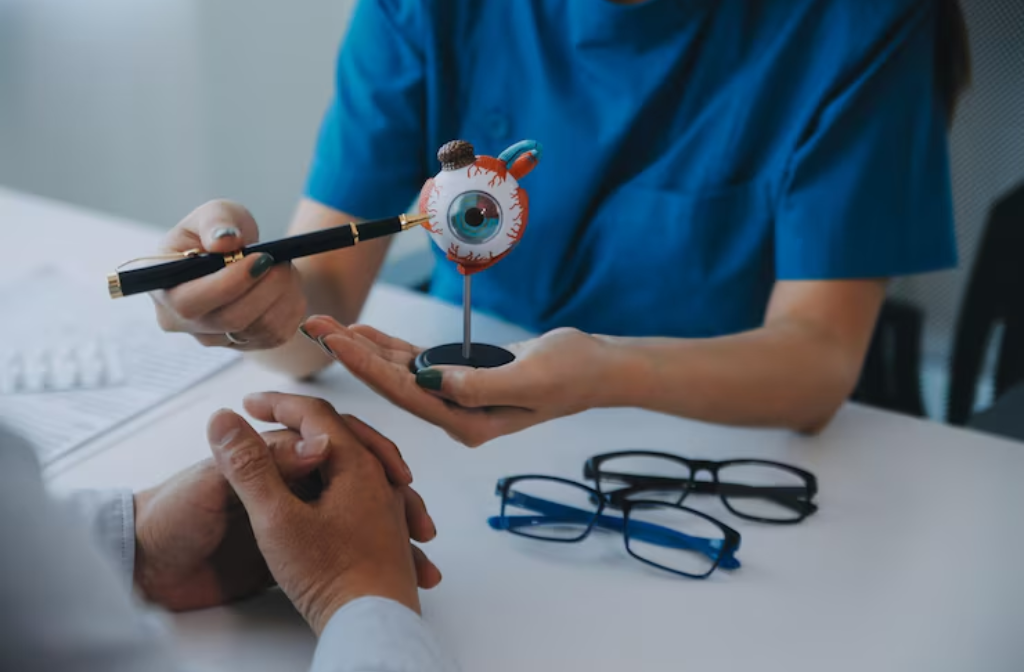
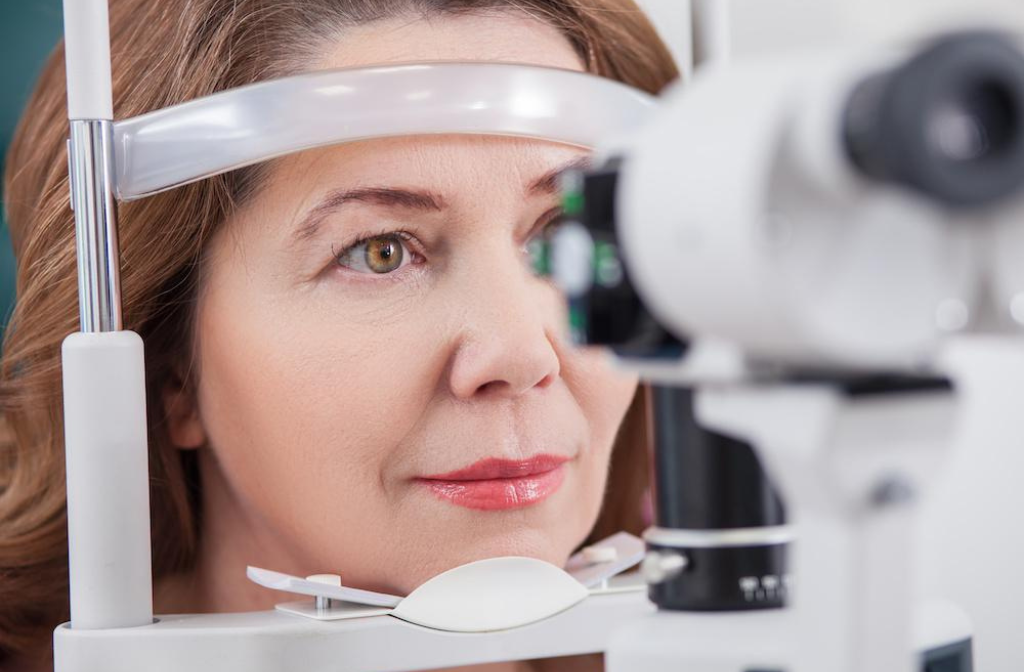
A retinal eye check-up is a specialized examination that evaluates the health of the retina, optic nerve, macula, and retinal blood vessels.
Unlike a standard vision test, a retinal eye examination focuses on detecting diseases that may affect the back of the eye and potentially cause permanent vision loss.
Understanding the Retina's Role in Vision
Think of the retina as the camera sensor of your eye. It captures light and converts it into signals that your brain interprets as images. If the retina becomes damaged, your vision can be affected regardless of how healthy the rest of the eye appears.
What Happens During a Retina Eye Examination?
A comprehensive retina checkup may include the following:
- Dilated retinal examination
- Optical Coherence Tomography (OCT)
- Retinal photography
- Vision assessment
- Eye pressure measurement
- Retinal imaging scans
These advanced tests help a retina doctor detect problems at an early stage.
Why Annual Retina Check-Ups Are Important
Early Detection Saves Vision
Many retinal diseases respond best to treatment when diagnosed early. Delaying an examination can allow irreversible damage to occur.
Many Retinal Diseases Develop Silently
Conditions such as diabetic retinopathy and age-related macular degeneration often show few or no symptoms in their early stages.
According to the World Health Organization (WHO) more than 2.2 billion people worldwide have a vision impairment or blindness, and at least 1 billion of these cases could have been prevented or treated through early detection and care.
Who Should Get a Retina Eye Check-Up Every Year?
People with Diabetes
Diabetes is one of the leading causes of vision loss worldwide.
Annual retina screening helps detect:
- Diabetic retinopathy
- Diabetic macular edema
- Retinal bleeding
- Abnormal blood vessel growth
Even if your vision seems normal, a yearly retina eye examination is essential.
Adults Over 40
As we age, the risk of retinal diseases increases significantly.
Regular retina check-ups help identify:
- Macular degeneration
- Retinal tears
- Retinal detachment
- Vascular retinal diseases
Individuals with High Myopia (Severe Nearsightedness)
High myopia stretches the retina and increases the risk of:
- Retinal tears
- Retinal detachment
- Peripheral retinal degeneration
Annual monitoring by a retina specialist is highly recommended.
People with High Blood Pressure
High blood pressure can damage retinal blood vessels and affect vision.
A retina check-up can reveal the following:
- Retinal hemorrhages
- Vessel narrowing
- Hypertensive retinopathy
Those with a Family History of Retinal Diseases
Genetics plays a significant role in several retinal disorders.
If a close family member has experienced retinal disease, yearly screening can help detect problems early.
Patients Who Have Had Eye Surgery
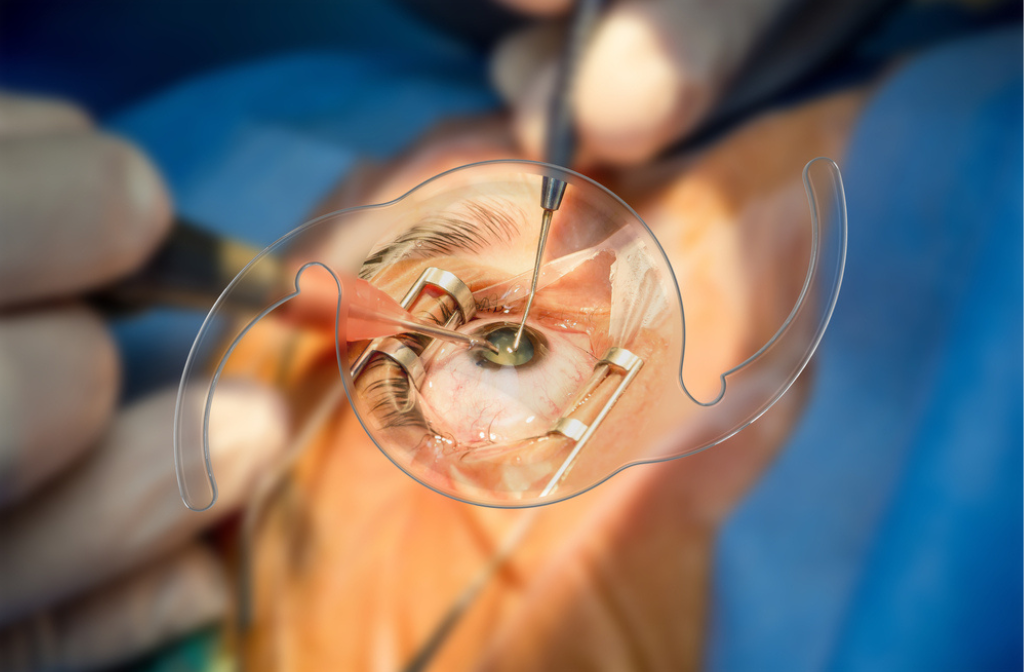
Individuals who have undergone cataract surgery or other eye procedures may benefit from regular retinal evaluations to monitor retinal health.
Anyone Experiencing Vision Changes
Do not wait for your next annual appointment if you notice the following:
- Flashes of light
- Floaters
- Blurred vision
- Distorted vision
- Sudden loss of vision
Immediate evaluation by a retina doctor is essential.
Common Conditions Detected During a Retina Check-Up
Diabetic Retinopathy
A diabetes-related retinal disease that can lead to severe vision loss if untreated.
Age-Related Macular Degeneration (AMD)
A condition affecting central vision, particularly in older adults.
Retinal Tears and Retinal Detachment
Early detection can prevent permanent vision loss and improve treatment outcomes.
Retinal Vein Occlusion
A blockage in retinal veins that can cause swelling and sudden vision changes.
Signs You Should Not Ignore
Schedule a retina eye examination immediately if you experience the following:
- New floaters
- Flashing lights
- Wavy or distorted vision
- Dark spots in vision
- Loss of side vision
- Sudden vision changes
These symptoms may indicate serious retinal problems requiring urgent attention.
How Often Should You See a Retina Specialist?
For most healthy adults, regular eye examinations are important.
However, annual retina check-ups are strongly recommended for:
- Diabetic patients
- Adults over 40
- High myopia patients
- Individuals with retinal disease history
- Patients with hypertension
Your retina specialist may recommend more frequent visits depending on your risk profile.
What Technologies Are Used During a Retina Eye Examination?
Modern retinal care relies on advanced diagnostic tools such as the following:
Optical Coherence Tomography (OCT)
Provides detailed cross-sectional retinal images.
Digital Retinal Photography
Documents retinal health for future comparison.
Retinal Ultrasound
Useful when retinal visibility is limited.
Fluorescein Angiography
Evaluates retinal blood circulation.
These technologies help detect retinal diseases before noticeable symptoms appear.
Benefits of Regular Retina Screening
Routine retina check-ups offer several advantages:
- Early disease detection
- Better treatment outcomes
- Reduced risk of vision loss
- Monitoring of chronic conditions
- Peace of mind regarding eye health
A yearly retina examination is a small investment that can protect your vision for years to come.
Retina Check-Up vs Regular Eye Exam
A standard eye exam primarily evaluates:
- Vision clarity
- Prescription changes
- General eye health
A retinal eye examination specifically assesses:
- Retinal health
- Macular condition
- Blood vessel abnormalities
- Retinal tears and detachments
Both are important, but retinal screening provides an additional layer of protection against sight-threatening diseases.
When to Book an Immediate Retina Consultation
You should not wait for your annual appointment if you experience the following:
- Sudden floaters
- Light flashes
- Vision distortion
- Dark curtain-like shadows
- Rapid vision loss
Prompt evaluation can prevent permanent retinal damage.
Protect Your Vision Before Problems Begin
Many retinal diseases progress silently. By the time symptoms appear, damage may already be significant. Regular retina check-ups allow your retina specialist to identify risks early and initiate treatment before vision is affected.
Why Choose Retina Care Abu Dhabi?
When it comes to retinal health, experience and technology matter.
Patients trust Dr. Madhava Rao because of the following:
- Specialized retinal expertise
- Advanced retinal imaging technology
- Personalized treatment plans
- Comprehensive retinal disease management
- Trusted reputation across Abu Dhabi
At Retina Care Abu Dhabi, Dr. Madhava Rao, a leading retina specialist in Abu Dhabi emphasizes the importance of regular retina eye checkups for early detection and prevention of vision-threatening diseases. A timely retinal eye examination can identify retinal disorders before they impact your vision.
Conclusion
A yearly retina eye checkup is one of the most effective ways to protect your vision and detect retinal diseases before they cause irreversible damage. Whether you are over 40, living with diabetes, highly myopic, or simply proactive about your eye health, annual retina screening can make a significant difference. Regular visits to a qualified retina specialist help ensure that potential problems are identified early, treated promptly, and monitored effectively.
Your eyesight deserves the same attention as your overall health. Don’t wait for symptoms to appear before scheduling your next retinal eye examination.
FAQs
Q1. Is a retinal eye checkup necessary if my vision is normal?
Yes. Many retinal conditions develop without noticeable symptoms in their early stages. A routine retina eye examination can detect problems before they affect your vision.
Q2. What age should I start getting annual retina check-ups?
Adults over 40 should consider regular retina screenings, especially if they have diabetes, high myopia, or a family history of eye disease. Your retina specialist can recommend the right schedule.
Q3. How long does a retinal eye examination take?
A comprehensive retina check-up typically takes 30–60 minutes. Additional imaging tests may require a little more time depending on your eye condition.
Q4. Can a retina check-up detect diabetic eye disease?
Yes. Retina examinations are one of the most effective ways to identify diabetic retinopathy and other diabetes-related eye complications at an early stage.
Q5. Can a retina specialist detect vision problems before symptoms appear?
Yes. Advanced retinal imaging can reveal early signs of retinal disease, allowing treatment to begin before noticeable vision loss occurs.