What Happens During Your First Consultation with a Retina Surgeon in Abu Dhabi?

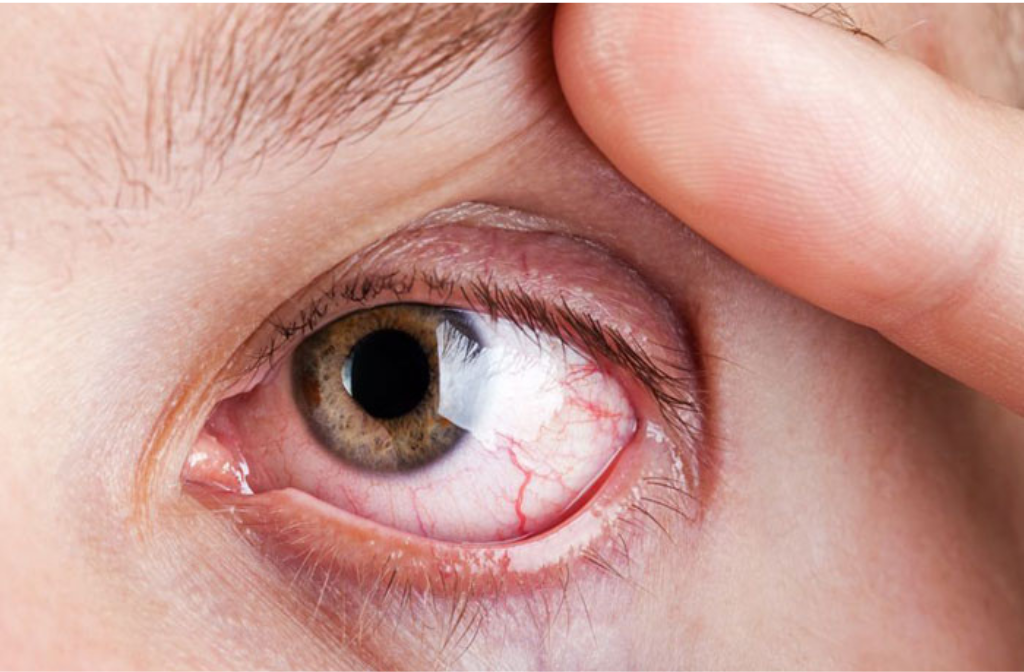
Your eyesight is one of your most valuable assets, yet many retinal diseases develop silently without obvious symptoms in their early stages. By the time vision changes become noticeable, significant retinal damage may have already occurred. That’s why scheduling an evaluation with a qualified retina surgeon in Abu Dhabi is one of the most important steps you can take to protect your vision.
Understanding the Role of a Retina Surgeon
The retina is a thin layer of tissue located at the back of the eye that converts light into signals sent to the brain. A retina surgeon specializes in diagnosing and treating diseases affecting this delicate structure.
Common retinal conditions include:
- Diabetic retinopathy
- Age-related macular degeneration
- Retinal tears
- Retinal detachment
- Macular holes
- Retinal vein occlusion
- Epiretinal membrane
A qualified retina specialist Abu Dhabi can identify these conditions before they cause irreversible vision loss.
When Should You Visit a Retina Surgeon?
Many patients wonder whether their symptoms require specialist attention. Consider booking an appointment if you experience:
- Sudden floaters
- Flashes of light
- Distorted vision
- Blurred central vision
- Dark spots in your field of vision
- Loss of peripheral vision
Individuals with diabetes, hypertension, or a family history of retinal diseases should undergo regular retinal evaluations even without symptoms.
Preparing for Your First Retina Consultation
A little preparation can make your consultation smoother and more productive.
Bring
- Previous eye examination reports
- Prescription glasses
- Current medications list
- Medical records related to diabetes or hypertension
- Insurance details
Since your pupils may be dilated during the examination, consider arranging transportation if needed.
What to Expect During Your First Consultation
Your first visit is designed to provide a complete understanding of your eye health and retinal condition.
Detailed Medical History Review
The consultation usually begins with a discussion about:
- Current symptoms
- Duration of symptoms
- Medical conditions
- Family history of eye diseases
- Previous eye surgeries
This information helps your retina surgeon in Abu Dhabi determine the most appropriate diagnostic pathway.
Comprehensive Vision Assessment
Before examining the retina, your vision will be assessed through:
- Visual acuity testing
- Refraction assessment
- Eye pressure measurement
- Peripheral vision screening
These tests provide valuable insights into your overall ocular health.
Even if your vision seems normal, a yearly retina eye examination is essential.
Advanced Retinal Examination
A retinal consultation goes beyond a standard eye exam.
Dilated Eye Examination
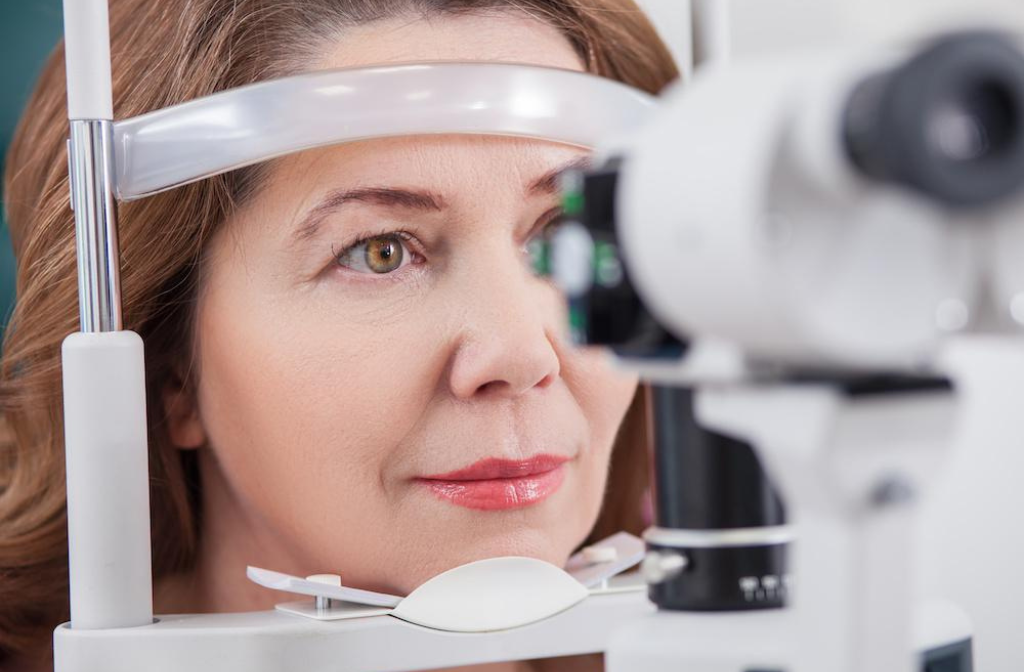
Eye drops are used to enlarge your pupils, allowing the surgeon to view the retina in greater detail.
During this examination, your eye specialist in Abu Dhabi can detect the following:
- Retinal tears
- Bleeding
- Signs of diabetic eye disease
- Macular abnormalities
Optical Coherence Tomography (OCT) Scan
OCT is one of the most valuable imaging technologies in modern ophthalmology.
It creates detailed cross-sectional images of the retina, helping diagnose conditions such as:
- Macular degeneration
- Diabetic macular edema
- Macular holes
- Retinal swelling
According to the American Academy of Ophthalmology, OCT imaging plays a crucial role in the diagnosis and monitoring of retinal diseases. Visit the American Academy of Ophthalmology for more information.
Fundus Photography
High-resolution retinal photographs may also be taken to document the current condition of your retina and monitor future changes.
Diagnosis and Discussion of Findings
After completing the examination, your retina surgeon in Abu Dhabi will review the findings with you.
You can expect:
- Clear explanation of your diagnosis
- Review of imaging results
- Discussion of disease progression
- Opportunity to ask questions
Think of retinal imaging as a roadmap; it helps both doctor and patient understand where the eye currently stands and which path leads to better vision preservation.
Personalized Treatment Planning
Every retina is different, and treatment plans are highly individualized.
Depending on your diagnosis, recommendations may include the following:
- Observation and monitoring
- Lifestyle modifications
- Intravitreal injections
- Laser treatment
- Vitrectomy surgery
- Ongoing retinal screening
Your retina specialist will explain the benefits, risks, and expected outcomes of each option.
Common Conditions Diagnosed During Retina Consultations
Diabetic Retinopathy
A leading cause of vision loss among adults with diabetes.
Age-Related Macular Degeneration
A condition affecting central vision and reading ability.
Retinal Tears and Retinal Detachment
Medical emergencies requiring prompt treatment.
Retinal Vein Occlusion
A blockage of retinal blood vessels that can lead to vision impairment.
The World Health Organization emphasizes the importance of early diagnosis and treatment of retinal diseases to prevent avoidable blindness. Learn more at WHO Vision and Eye Health.
Questions You Should Ask Your Retina Surgeon
Consider asking:
- What is causing my symptoms?
- Is my condition progressive?
- What treatment options are available?
- Will I need surgery?
- How often should I return for follow-up visits?
- What lifestyle changes can help protect my vision?
Importance of Early Retina Care
Retinal diseases often progress quietly. Waiting for symptoms can sometimes mean waiting too long.
Early diagnosis offers the following:
- Better treatment outcomes
- Reduced risk of vision loss
- More treatment options
- Improved quality of life
Regular retinal evaluations are especially important for diabetic patients and older adults.
What Technologies Are Used During a Retina Eye Examination?
Modern retinal care relies on advanced diagnostic tools such as the following:
Optical Coherence Tomography (OCT)
Provides detailed cross-sectional retinal images.
Digital Retinal Photography
Documents retinal health for future comparison.
Retinal Ultrasound
Useful when retinal visibility is limited.
Fluorescein Angiography
Evaluates retinal blood circulation.
These technologies help detect retinal diseases before noticeable symptoms appear.
Benefits of Regular Retina Screening
Routine retina check-ups offer several advantages:
- Early disease detection
- Better treatment outcomes
- Reduced risk of vision loss
- Monitoring of chronic conditions
- Peace of mind regarding eye health
A yearly retina examination is a small investment that can protect your vision for years to come.
Retina Check-Up vs Regular Eye Exam
A standard eye exam primarily evaluates:
- Vision clarity
- Prescription changes
- General eye health
A retinal eye examination specifically assesses:
- Retinal health
- Macular condition
- Blood vessel abnormalities
- Retinal tears and detachments
Both are important, but retinal screening provides an additional layer of protection against sight-threatening diseases.
When to Book an Immediate Retina Consultation
You should not wait for your annual appointment if you experience the following:
- Sudden floaters
- Light flashes
- Vision distortion
- Dark curtain-like shadows
- Rapid vision loss
Prompt evaluation can prevent permanent retinal damage.
Book Your Retina Consultation Today
If you’re experiencing vision changes, flashes, or floaters or have been advised to undergo a retinal evaluation, don’t delay seeking expert care.
Early intervention can make a significant difference in preserving your vision and maintaining your quality of life.
Schedule your consultation today and take the first step toward protecting your eyesight.
Why Choose Retina Care Abu Dhabi?
Patients trust Retina Care Abu Dhabi because of its commitment to advanced retinal care and patient-centered treatment.
Key advantages include:
- Expertise of Dr. Madhava Rao
- Advanced retinal imaging technology
- Personalized treatment plans
- Comprehensive retinal diagnostics
- Evidence-based care
- Focus on long-term vision preservation
To learn more about our experienced retina surgeon in Abu Dhabi and specialized retinal services, visit our clinic website.
Conclusion
Your first consultation with a Retina Surgeon in Abu Dhabi is a comprehensive evaluation designed to identify retinal conditions early and create a personalized treatment strategy. Through advanced imaging, detailed examinations, and expert guidance, patients gain a clear understanding of their eye health and the steps needed to preserve vision.
Whether you’re experiencing symptoms or simply want proactive retinal screening, scheduling an appointment with an experienced retina specialist in Abu Dhabi can help safeguard your sight for years to come.
FAQs
Q1. How long does a retina consultation take?
Most consultations take between 45 and 90 minutes, depending on the complexity of the condition and diagnostic tests required.
Q2. Will my eyes be dilated during the visit?
Yes, pupil dilation is commonly performed to allow a detailed examination of the retina.
Q3. Can diabetes affect my retina even if my vision seems normal?
Yes. Diabetic retinopathy can develop without noticeable symptoms during its early stages.
Q4. Do I need a referral to see a retina surgeon?
Not always. Many patients schedule appointments directly when experiencing retinal symptoms.
Q5. How often should I have retinal examinations?
This depends on your age, medical history, and risk factors. Your retina specialist will recommend an appropriate schedule.