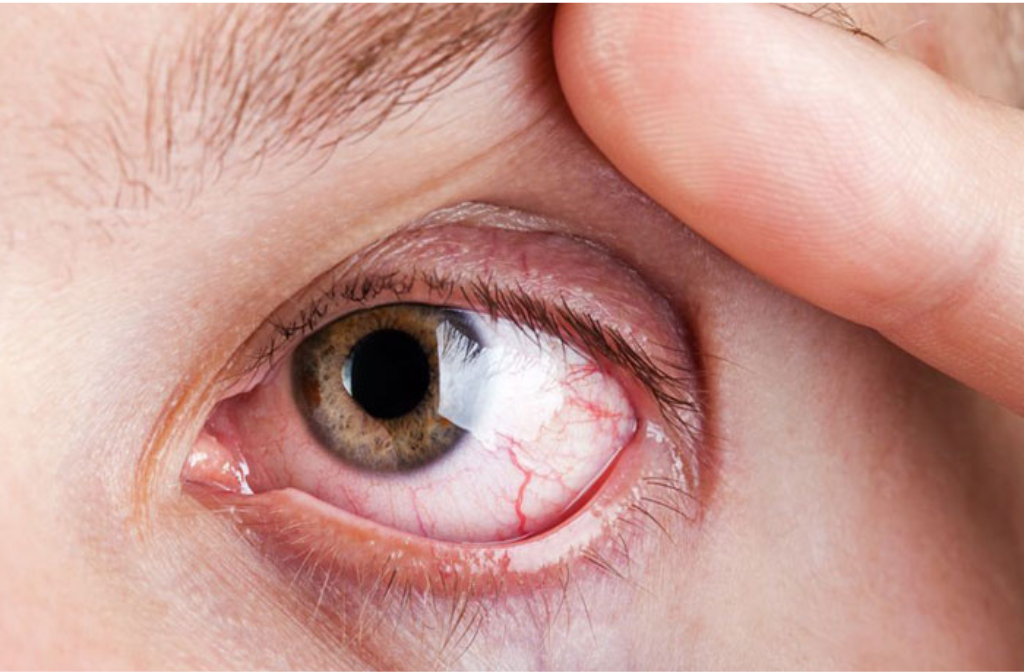
Central Serous Chorioretinopathy (CSCR): Causes, Symptoms and Treatment .

Have you noticed that the centre of your vision looks blurry, that straight lines seem bent, or that one eye sees things differently from the other? Several eye conditions can cause these changes, and one of them is central serous chorioretinopathy, usually shortened to CSCR.
CSCR happens when fluid builds up under the retina, most often in the small central area called the macula, which is responsible for sharp, detailed vision. It can make reading, using a phone or computer, and recognising faces more difficult. Many cases improve without treatment, but some last longer or return, so a proper eye examination matters. This article explains what CSCR is, its symptoms and possible causes, how it is diagnosed and which treatment options doctors may consider.
What Is Central Serous Chorioretinopathy?
Central serous chorioretinopathy is an eye condition in which fluid collects beneath the retina, the light-sensitive layer at the back of the eye. The fluid can lift the retina slightly and disturb how it processes images, particularly in the centre of the visual field.
CSCR usually affects one eye, although it can sometimes involve both. In many people the fluid clears by itself over time. When fluid stays for a long period, however, it can affect the retinal cells and may lead to lasting changes in vision. That is why an assessment by an eye specialist is recommended whenever symptoms appear.
Common Symptoms of CSCR
Symptoms differ from person to person and may include:
- Blurred central vision: Details look less sharp, especially when reading.
- Distorted vision: Straight lines may look wavy or bent.
- Objects looking smaller: Things may appear smaller in the affected eye than in the other.
- A dim or grey spot: A patch in or near the centre of vision may look dark or cloudy.
- Reduced contrast or dull colours: Colours may look washed out and fine differences harder to see.
- Difficulty with close work: Reading, screen use and recognising faces can become harder.
These symptoms are not specific to CSCR, and other eye conditions can cause similar changes. Do not assume the cause yourself. Have your vision checked.
What Causes Central Serous Chorioretinopathy?
The exact cause of CSCR is not always clear. It is linked to changes in the layer of blood vessels and supporting tissue beneath the retina, which can allow fluid to leak and collect. Several factors have been associated with a higher chance of developing it.
Corticosteroid Medicines
Corticosteroids, which come as tablets, injections, inhalers, nasal sprays and skin creams, have been associated with CSCR. Always tell your doctors about every medicine you use. Do not stop or change a prescribed steroid on your own. Speak to the doctor who prescribed it first.
Stress and Poor Sleep
Psychological stress and sleep problems have been linked to CSCR in some people. Stress is not the explanation for every case, and many people with CSCR have no obvious trigger.
Other Individual Factors
Other health conditions and personal factors may play a part. An eye specialist can review your medical history and medicines to identify what may be relevant in your case.
How Is CSCR Diagnosed?
Diagnosis begins with an eye examination to check whether there is fluid under the retina and to rule out other conditions with similar symptoms. Depending on your findings, the doctor may use:
- Dilated retinal examination: Eye drops widen the pupil so the doctor can examine the retina closely.
- Optical coherence tomography (OCT): A quick, non-invasive scan that creates detailed cross-section images of the retina and shows fluid beneath it.
- Fluorescein angiography: A dye test that may be used to show where fluid is leaking from.
- Other retinal imaging: Additional tests when needed to confirm the diagnosis.
Not everyone needs every test. The doctor chooses based on your symptoms and examination findings.
Treatment Options for CSCR
The approach depends on how long the fluid has been present, how much it affects vision and whether the problem has occurred before. There is no single treatment that suits everyone, and outcomes vary from person to person.
Observation and Monitoring
Many recent (acute) cases improve on their own over weeks to a few months. In suitable cases the doctor may advise regular check-ups to see whether the fluid is reducing and vision is recovering.
Reviewing Contributing Factors
Your doctor may look at medicines (especially corticosteroids), sleep patterns and other health factors. Any change to prescribed medication should only be made with the treating doctor advice.
Photodynamic Therapy (PDT)
For selected cases where fluid persists or keeps coming back, a specialist may consider photodynamic therapy. It uses a light-activated medicine and a special light to target abnormal leakage under the retina. PDT is used for certain patients only, and whether it is appropriate and available depends on your diagnosis, a detailed retinal assessment and your doctor judgement. Your doctor will explain its benefits, limitations and possible risks, including that its use in CSCR may be outside the medicine’s standard licensed indications.
Other Specialist-Directed Treatments
Other options may be considered in selected cases, depending on what the retinal assessment shows. Your doctor will explain what is suitable for you.
When Should You See a Retina Specialist?
Book an eye examination if you notice blurred central vision, distorted or wavy lines, a dark or grey spot, or objects looking smaller or different in size, particularly if it lasts more than a few days. Seek urgent medical care if you have sudden loss of vision, a curtain-like shadow across your sight, or a sudden increase in flashes of light or floaters. These can point to a different, more urgent eye problem. If you are living with changes in your vision, an eye specialist can examine you, arrange suitable tests and discuss next steps.
Frequently Asked Questions
Q1. Can central serous chorioretinopathy go away on its own?
Many acute cases improve without specific treatment over several weeks to months. Some persist or come back, so follow-up examinations are important.
Q2. Is CSCR a serious eye condition?
It can affect central vision. Although many cases improve, long-lasting or repeated episodes can cause lasting changes, so it should always be assessed by an eye specialist.
Q3. Can stress cause CSCR?
Stress has been associated with CSCR, but it is not the only factor, and sometimes no clear cause is found.
Q4. How is CSCR diagnosed?
Usually with a dilated eye examination and imaging such as OCT. Other tests may be added depending on the findings.
Q5. Does everyone with CSCR need treatment?
No. Some people are simply monitored while the condition settles. Treatment may be discussed if fluid persists, symptoms continue or other findings make it appropriate.
Conclusion
Central serous chorioretinopathy is a retinal condition in which fluid collects under the retina and can affect central vision. Knowing the symptoms, being aware of possible contributing factors and having a timely eye examination help you make informed decisions about your care.