Diabetic Eye Disease Symptoms: When to See an Eye Specialist in Abu Dhabi.
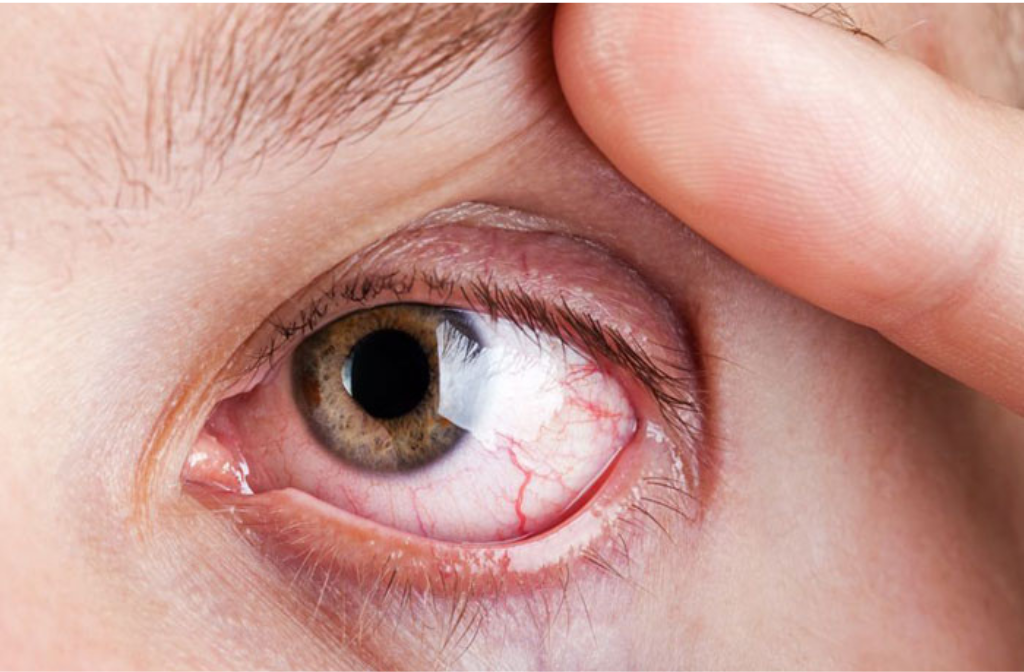
Diabetes affects millions of people worldwide, and while most individuals focus on blood sugar management, many overlook one of its most serious complications: vision loss. Diabetic eye disease can develop gradually and often shows no symptoms in its early stages. By the time noticeable vision changes occur, significant damage may already have taken place.
Understanding Diabetic Eye Disease
What Is Diabetic Eye Disease?
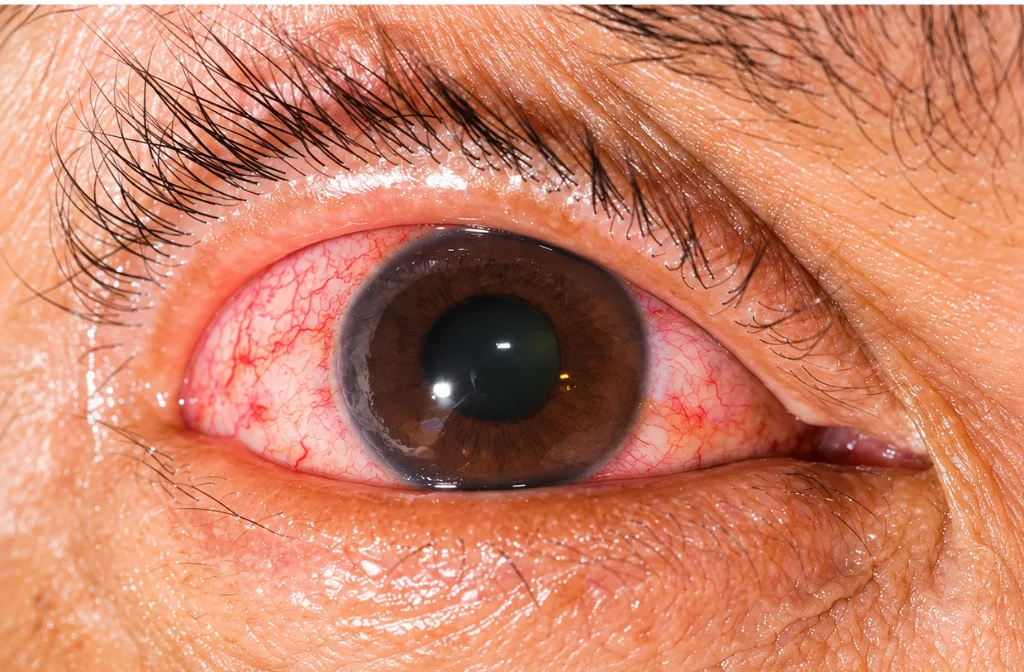
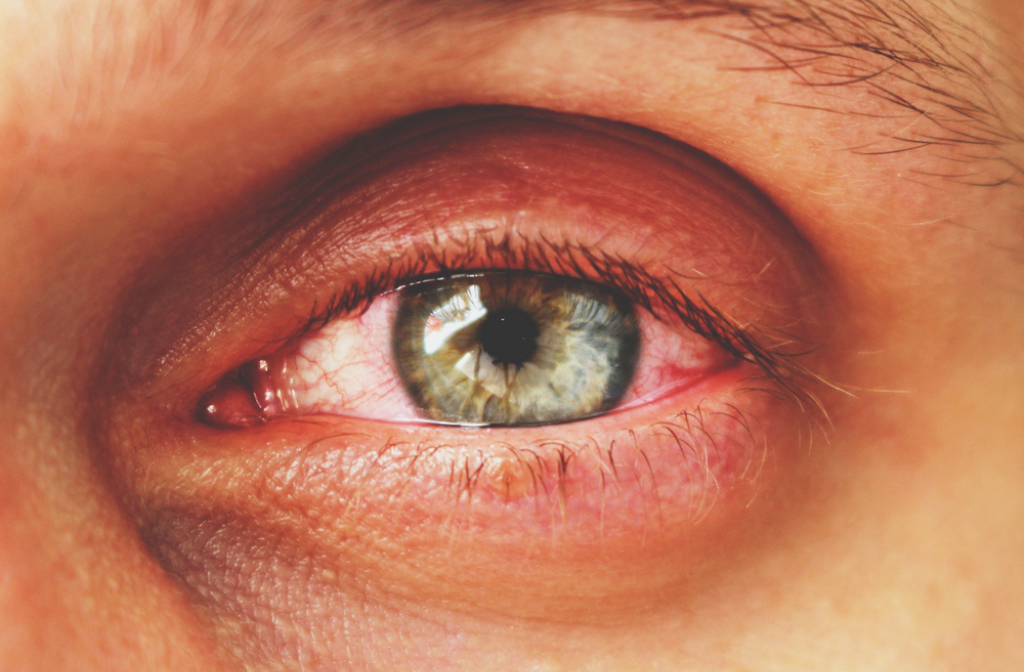
Diabetic eye disease refers to a group of vision-related complications caused by diabetes. High blood sugar levels can damage the tiny blood vessels within the retina, leading to vision impairment and, in severe cases, blindness.
The retina functions like the camera sensor of your eye. When diabetes damages this delicate tissue, the quality of your vision can gradually deteriorate.
Why Diabetes Affects Vision
Elevated glucose levels can:
- Damage retinal blood vessels
- Cause swelling in the retina
- Reduce oxygen supply to eye tissues
- Increase the risk of bleeding inside the eye
Over time, these changes can significantly impact vision if left untreated.
Common Types of Diabetic Eye Disease
Diabetic Retinopathy
Diabetic retinopathy is the most common diabetic eye condition. It occurs when retinal blood vessels leak fluid or bleed, affecting vision quality.
Diabetic Macular Edema (DME)
DME develops when fluid accumulates in the macula, the central part of the retina responsible for sharp vision.
Cataracts and Diabetes
People with diabetes often develop cataracts earlier than those without diabetes.
Glaucoma and Diabetes
Diabetes increases the likelihood of developing glaucoma, a condition that damages the optic nerve and can result in permanent vision loss.
Early Symptoms of Diabetic Eye Disease
One of the most dangerous aspects of diabetic eye disease is that symptoms may not appear immediately.
Early signs may include:
- Mild blurred vision
- Difficulty reading
- Eye strain
- Frequent prescription changes
- Reduced contrast sensitivity
Many patients assume these symptoms are simply part of aging, delaying critical treatment.
Warning Signs You Should Never Ignore
Certain symptoms require prompt evaluation by an eye doctor in Abu Dhabi.
Watch for:
- Sudden vision loss
- Dark spots or floaters
- Distorted vision
- Flashes of light
- Difficulty seeing at night
- Blind spots
- Colors appearing faded
If you notice any of these symptoms, seek professional eye care immediately.
When Should You See an Eye Specialist in Abu Dhabi?
Many people ask, “Should I wait until my vision changes?”
The answer is no.
You should schedule an appointment with an eye specialist in Abu Dhabi if:
- You have diabetes and haven't had an eye exam in the last year
- Your blood sugar levels are poorly controlled
- You experience visual disturbances
- You are pregnant and have diabetes
- You have a family history of retinal disease
Early detection allows for earlier treatment and significantly better outcomes.
Who Is at Higher Risk of Diabetic Eye Disease?
Certain individuals face a higher risk of developing diabetic eye complications.
Risk factors include:
- Long-term diabetes
- High blood pressure
- High cholesterol
- Smoking
- Obesity
- Pregnancy
- Poor glucose control
The longer a person lives with diabetes, the greater the likelihood of retinal damage.
How Diabetic Eye Disease Is Diagnosed
Comprehensive Eye Examination
A complete eye evaluation helps identify signs of diabetic damage before symptoms become severe.
Dilated Retinal Examination
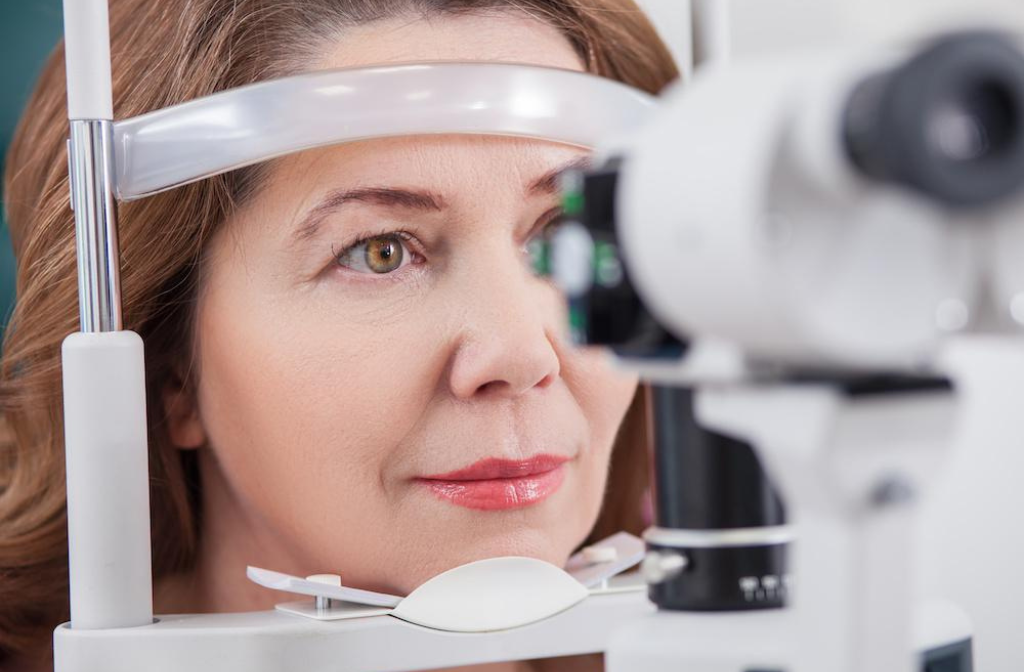
Special eye drops widen the pupils, allowing detailed examination of the retina and blood vessels.
OCT Scan and Retinal Imaging
Optical Coherence Tomography (OCT) creates detailed cross-sectional images of the retina.
This advanced technology helps detect the following:
- Retinal swelling
- Fluid accumulation
- Early diabetic retinopathy
- Macular edema
According to the National Eye Institute, regular diabetic eye examinations are essential for preventing vision loss caused by diabetic retinopathy.
Treatment Options for Diabetic Eye Disease
Treatment depends on the stage and severity of the disease.
Common treatment options include:
- Anti-VEGF injections
- Laser photocoagulation therapy
- Vitrectomy surgery
- Blood sugar management
- Lifestyle modifications
Modern retinal treatments can often stabilize vision and prevent further damage when initiated early.
Can Diabetic Eye Disease Be Prevented?
While not always preventable, the risk can be significantly reduced.
Protect your eyes by:
- Maintaining healthy blood sugar levels
- Monitoring blood pressure
- Exercising regularly
- Following a balanced diet
- Avoiding smoking
- Scheduling annual eye examinations
Think of retinal screenings like routine car maintenance; small checks today can prevent major problems tomorrow.
The Importance of Regular Eye Screenings
Many diabetic eye diseases are silent in their early stages.
Routine screenings allow an eye doctor in Abu Dhabi to identify changes before vision is affected
According to the World Health Organization, early diagnosis and timely treatment are among the most effective strategies for preventing avoidable blindness. Additional information is available through WHO Vision and Eye Health.
How Dr. Madhava Rao Helps Patients Protect Their Vision
Dr. Madhava Rao specializes in diagnosing and treating complex retinal conditions associated with diabetes.
His patient-centered approach includes:
- Advanced retinal imaging
- Early disease detection
- Personalized treatment planning
- Surgical retina expertise
- Long-term vision monitoring
Patients benefit from evidence-based care designed to preserve vision and improve quality of life.
Book Your Eye Examination Today
If you have diabetes, don’t wait for symptoms to appear.
A comprehensive retinal examination can detect problems before vision loss occurs. Early diagnosis often means simpler treatments, better outcomes, and greater peace of mind.
Schedule your diabetic eye screening today and take a proactive step toward protecting your sight.
Why Choose Retina Care Abu Dhabi?
Retina Care Abu Dhabi is committed to providing advanced retinal care for patients across the UAE.
Why patients trust us:
- Expertise of Dr. Madhava Rao
- Specialized diabetic eye disease management
- State-of-the-art diagnostic technology
- Personalized treatment plans
- Comprehensive retinal evaluations
- Focus on long-term vision preservation
For expert care from a trusted eye doctor in Abu Dhabi Retina Care Abu Dhabi offers advanced solutions tailored to your eye health needs.
Conclusion
Diabetic eye disease is one of the leading causes of vision loss, but it is also one of the most preventable when detected early. Regular eye examinations, proper diabetes management, and timely intervention can help preserve your vision for years to come.
If you have diabetes or have noticed changes in your eyesight, consult an experienced eye doctor in Abu Dhabi as soon as possible. Early action today can help protect the gift of sight tomorrow.
FAQs
Q1. Can diabetic eye disease cause blindness?
Yes. In its early stages, diabetic eye disease often causes no noticeable symptoms. Regular eye examinations help detect retinal damage before vision problems occur.
Q2. How often should people with diabetes have an eye check-up?
Most people with diabetes should have a comprehensive dilated eye exam at least once a year. Your eye specialist may recommend more frequent visits if retinal changes are detected.
Q3. Can diabetic retinopathy be reversed?
Yes. Modern treatments such as retinal injections, laser therapy, and vitrectomy surgery can help slow disease progression and preserve vision when detected early.
Q4. Does diabetic eye disease always cause symptoms?
No. Many patients experience no symptoms until the disease has progressed.
Q5. What is the first sign of diabetic eye disease?
Blurred vision is one of the most common early symptoms. However, many patients may not notice any changes until the condition has progressed. Can controlling blood sugar protect my vision?