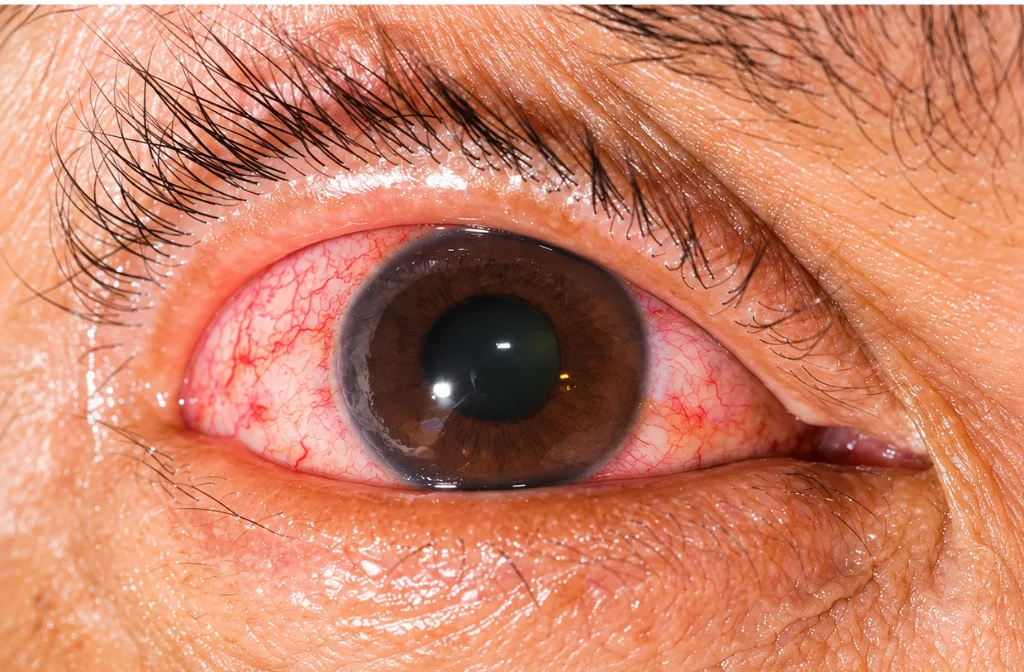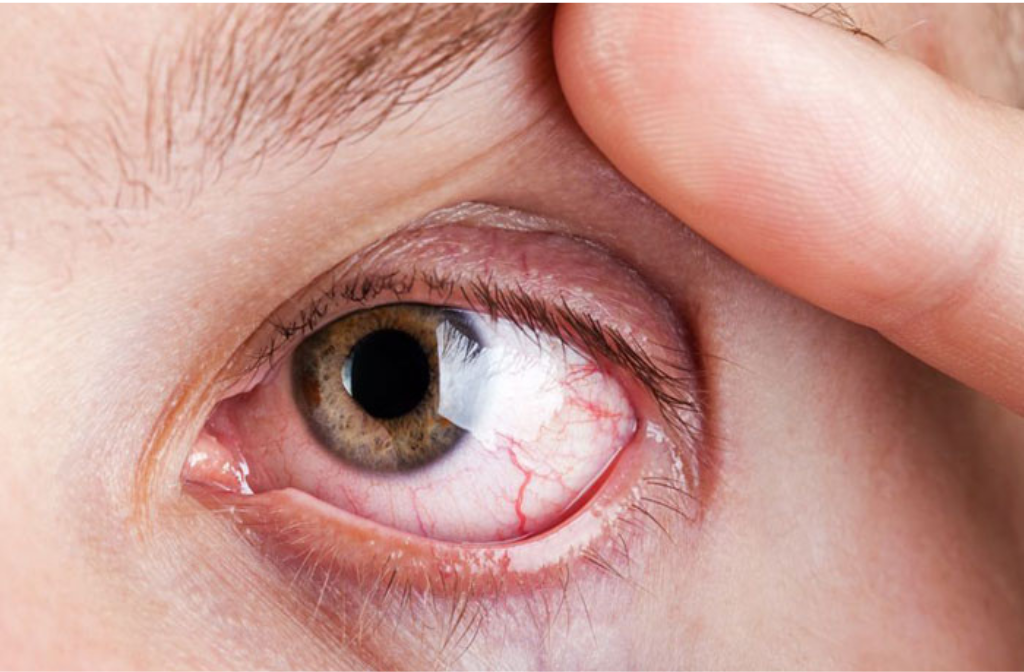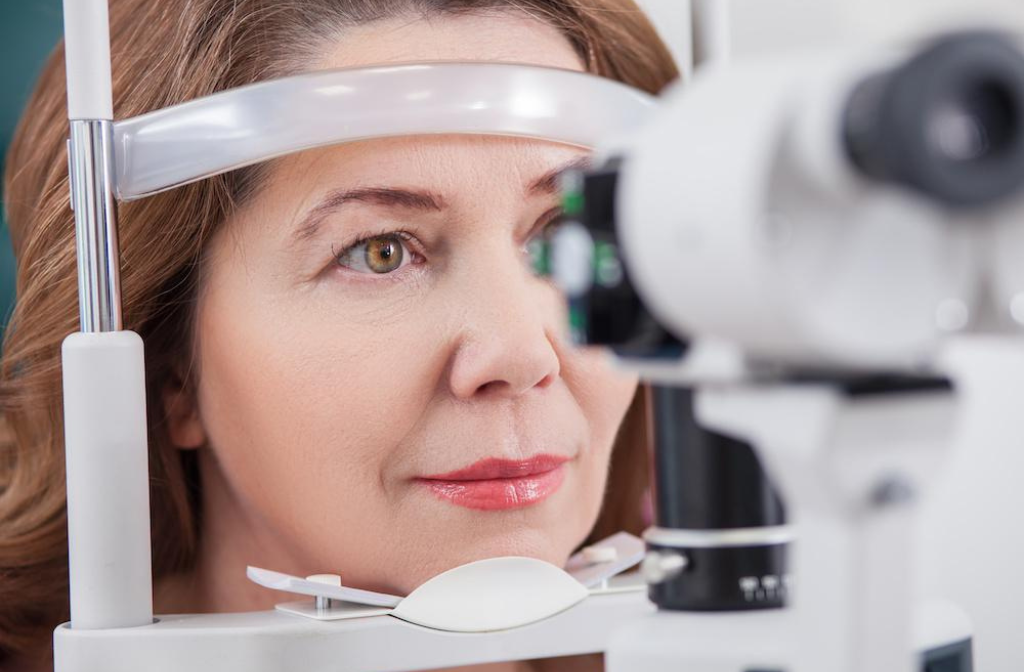
Retinal Detachment Symptoms: When to Visit a Retina Specialist Immediately
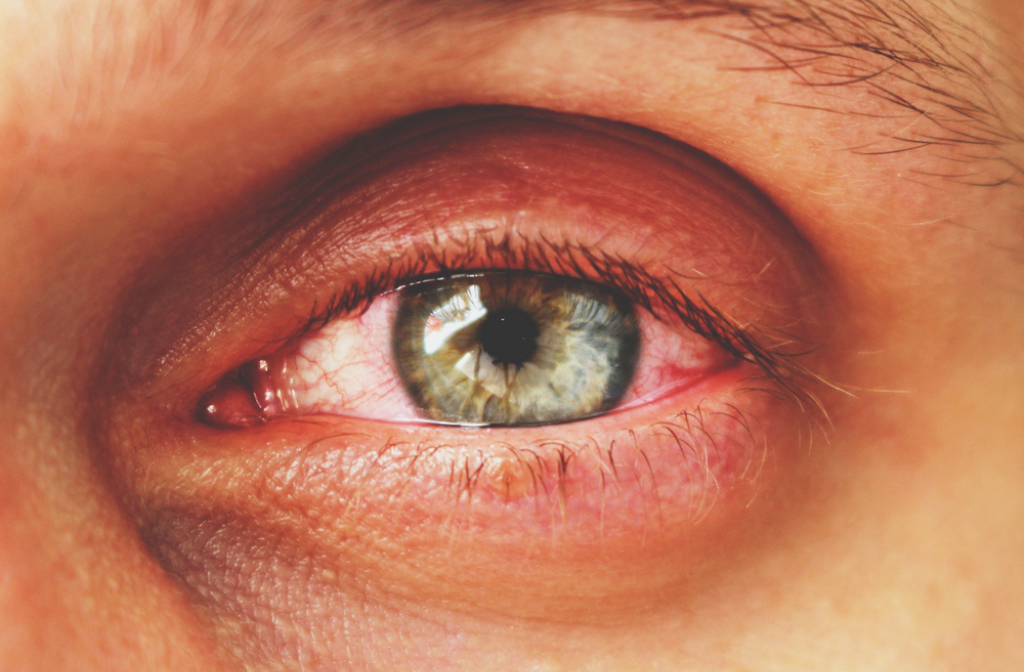
Understanding Retinal Detachment: Why Every Minute Matters
Your retina is like the camera sensor of your eye. It captures light and sends visual information to your brain, allowing you to see clearly. But what happens when this delicate layer pulls away from its normal position? This condition, known as retinal detachment, is a serious eye emergency that can lead to permanent vision loss if not treated promptly.
What Is Retinal Detachment?
Retinal detachment
occurs when the retina separates from the underlying tissue that supplies it with oxygen and nutrients. Without immediate treatment, retinal cells can become damaged, resulting in permanent vision loss.
This condition is considered a true eye emergency.
Why Retinal Detachment Is a Medical Emergency
Unlike some eye conditions that develop gradually, retinal detachment can progress rapidly.
The longer the retina remains detached:
- The greater the risk of irreversible vision damage
- Surgical outcomes may become less favorable
- Recovery of visual function may be limited
According to the American Academy of Ophthalmology (AAO) early intervention significantly improves the chances of successful retinal reattachment.
The Most Common Retinal Detachment Symptoms
Recognizing retinal detachment symptoms early can save your vision.
1. Sudden Increase in Floaters
Floaters appear as:
- Small dots
- Cobweb-like strands
- Specks drifting across your vision
While occasional floaters are common, a sudden shower of floaters should never be ignored.
2. Flashes of Light
Many patients describe flashes as the following:
- Lightning streaks
- Camera flashes
- Spark-like flickers
These flashes often occur in peripheral vision and may indicate retinal traction or a retinal tear.
3. A Curtain or Shadow Over Vision
One of the classic signs of retinal detachment is the sensation of a dark curtain moving across part of your visual field.
This symptom requires immediate evaluation by a retina specialist.
4. Sudden Blurred Vision
Blurry or distorted vision may occur when the retina begins separating from its normal position.
5. Loss of Peripheral Vision
Have you noticed difficulty seeing objects to the side?
Loss of side vision can indicate progressing retinal detachment.
What Causes Retinal Detachment?
Several factors can increase your risk.
Age-Related Changes
As we age, the vitreous gel inside the eye naturally shrinks and pulls away from the retina.
High Myopia (Severe Nearsightedness)
People with high myopia are more likely to develop retinal tears and retinal detachment.
Eye Injury or Trauma
Sports injuries, falls, and accidents can damage retinal tissue.
Previous Eye Surgery
Patients who have undergone cataract surgery may have a slightly increased risk.
Family History
Genetics can play a role in retinal disorders.
- High myopia
- Diabetes
- Previous retinal tears
- Family history of retinal detachment
- Eye trauma history
- Prior eye surgeries
Retinal Tear vs Retinal Detachment
A retinal tear is often the first stage before a full detachment develops.
Retinal Tear Symptoms
- New floaters
- Light flashes
- Mild vision disturbances
Retinal Detachment Symptoms
- Curtain-like shadow
- Peripheral vision loss
- Significant visual impairment
Treating a retinal tear early can often prevent retinal detachment treatment from becoming necessary.
How Is Retinal Detachment Diagnosed?
A retina specialist performs the following:
Dilated Retinal Examination
Allows detailed evaluation of retinal health.
Optical Coherence Tomography (OCT)
Provides high-resolution retinal imaging.
Retinal Ultrasound
Useful when retinal visualization is limited.
Retinal Detachment Treatment Options
Modern retinal detachment treatment is highly effective when performed early.
Laser Retinopexy
Used for retinal tears before detachment occurs.
Pneumatic Retinopexy
A gas bubble is injected to reposition the retina.
Scleral Buckle Surgery
Supports the eye wall and helps reattach the retina.
Vitrectomy Surgery
Removes vitreous traction and repairs complex detachments.
What Happens If Treatment Is Delayed?
Delaying treatment can result in:
- Permanent vision loss
- Macular involvement
- Reduced surgical success rates
- Long-term visual disability
According to the National Eye Institute immediate treatment offers the best chance of preserving vision.
How Quickly Should You Visit a Retina Specialist?
Seek emergency eye care immediately if you experience:
- Sudden flashes of light
- New floaters
- Curtain-like vision loss
- Sudden blurred vision
- Peripheral vision loss
Do not wait for symptoms to improve on their own.
Can Retinal Detachment Be Prevented?
Although not all cases can be prevented, you can reduce your risk by:
- Scheduling routine retinal exams
- Managing diabetes effectively
- Protecting your eyes during sports
- Seeking evaluation for new flashes or floaters
When Searching for a Retina Specialist Near Me
Choosing a retinal specialist involves considering:
- Experience in retinal surgery
- Access to advanced imaging technology
- Emergency care availability
- Proven success in managing retinal disorders
Ready to Protect Your Vision? Schedule an eye evaluation today.
Vision loss from retinal detachment can happen faster than many people realize. If you notice flashes, floaters, blurred vision, or a curtain-like shadow, do not delay seeking professional help.
Early diagnosis and prompt retinal detachment treatment can make the difference between preserving and losing vision.
When to See an Eye Specialist
If you notice persistent blurry vision, eye pain, or difficulty seeing at night, it’s time to consult an expert. Early detection can prevent serious complications.
Professional care, including retinal laser treatment in Abu Dhabi, can address underlying issues before they worsen.
Why Choose Retina Care Abu Dhabi?
When it comes to retinal emergencies, expertise matters.
Patients choose Dr. Madhava Rao because of the following:
- Specialized retinal and vitreoretinal expertise
- Advanced diagnostic technology
- Personalized treatment plans
- Comprehensive retinal care
- Trusted reputation in Abu Dhabi
At Retina Care Abu Dhabi, led by Dr. Madhava Rao, a renowned retina specialist Abu Dhabi patients trust, timely diagnosis and advanced retinal care help preserve vision and prevent complications.
If you’re looking for an experienced retina specialist in Abu Dhabi, learn more here
Conclusion
Retinal detachment is one of the most serious eye conditions affecting vision today. The warning signs flashes, floaters, shadows, blurred vision, and peripheral vision loss should never be ignored. Seeking immediate evaluation from a qualified retina specialist can dramatically improve treatment outcomes and help preserve your sight.
If you experience any retinal detachment symptoms, don’t wait. Early action can save your vision.
FAQs
Q1. What are the first symptoms of retinal detachment?
The earliest symptoms usually include sudden flashes of light, new floaters, and blurred or distorted vision. These warning signs should be evaluated by a retina specialist immediately.
Q2. Is retinal detachment an eye emergency?
Yes, retinal detachment is a medical emergency. Delaying treatment can increase the risk of permanent vision loss and reduce the chances of successful recovery.
Q3. Can retinal detachment cause blindness?
If left untreated, retinal detachment can lead to severe and permanent vision loss. Early diagnosis and prompt treatment significantly improve visual outcomes.
Q4. Can retinal detachment be prevented?
While not all cases are preventable, regular eye examinations, managing diabetes, and seeking prompt care for new visual symptoms can help reduce the risk.
Q5. Who is at higher risk for retinal detachment?
People with high myopia, previous eye surgery, eye trauma, diabetes, or a family history of retinal detachment have a higher risk and should undergo regular retinal checkups.