Can Nutrition Improve Eye Health? Top Foods for Clearer Vision

Why Vision Health Matters More Than You Think
Your eyes do a lot more than just help you see; they connect you to the world. Yet, most people don’t think about eye health until something goes wrong. Ever experienced blurry vision after long screen time or struggled to read small text in dim lighting? These are subtle reminders that your eyes need care just like any other part of your body.
Vision problems are becoming increasingly common, especially with digital lifestyles. According to the World Health Organization, millions of people worldwide suffer from preventable vision impairment due to poor lifestyle and nutrition choices. What if improving your eyesight was as simple as changing what’s on your plate?
The Link Between Diet and Eye Function
Here’s the truth: your eyes rely heavily on nutrients to function properly. Just like a car needs quality fuel, your eyes need the right vitamins and minerals to stay sharp. Nutrients like vitamin A, omega-3 fatty acids, lutein, and zinc play a crucial role in maintaining retinal health and preventing conditions like macular degeneration and cataracts.
Essential Nutrients for Healthy Eyes
Role of Vitamins A, C, and E
Think of vitamins as your eyes’ personal defense system. Vitamin A is essential for night vision and helps prevent dryness. Without it, seeing in low light becomes difficult. Vitamin C acts as an antioxidant, protecting your eyes from oxidative stress caused by pollution and screen exposure. Meanwhile, Vitamin E helps maintain healthy cells and reduces the risk of age-related damage.
These vitamins don’t work alone; they function like a team, each supporting different parts of your visual system. A deficiency in even one can lead to noticeable vision issues over time.
Importance of Lutein, Zeaxanthin, and Omega-3 Fatty Acids
You’ve probably heard of lutein and zeaxanthin; they’re like natural sunglasses for your eyes. Found in high concentrations in the retina, these antioxidants filter harmful blue light and reduce strain.
Omega-3 fatty acids, commonly found in fish, help prevent dry eye syndrome and support retinal function. Studies show that diets rich in omega-3s can significantly improve tear production and reduce inflammation.
Best Foods for Eye Health
Leafy Greens and Their Benefits
When it comes to the best foods for eye health, leafy greens like spinach and kale top the list. These vegetables are loaded with lutein and zeaxanthin, which protect your eyes from harmful light exposure.
Eating leafy greens regularly can lower the risk of chronic eye diseases. Think of them as a daily shield for your vision—simple, natural, and incredibly effective.
Colorful Fruits and Vegetables
Brightly colored fruits and vegetables aren’t just pretty; they’re powerful. Carrots, sweet potatoes, oranges, and berries are rich in beta-carotene and vitamin C.
Ever heard the saying carrots help you see better? It’s not a myth. Carrots contain beta-carotene, which your body converts into vitamin A, essential for good vision.
Fish and Omega-3 Rich Foods
Fatty fish like salmon, tuna, and mackerel are excellent sources of omega-3 fatty acids. These nutrients support the structure of cell membranes in the eyes and reduce inflammation.
If your eyes often feel dry or tired, adding fish to your diet could make a noticeable difference.
Nuts, Seeds, and Whole Grains
Almonds, walnuts, chia seeds, and whole grains are rich in vitamin E and zinc. These nutrients help delay age-related vision problems and maintain overall eye health.
Adding a handful of nuts to your daily diet is a small step with big benefits.
Scientific Evidence Supporting Nutrition and Vision
Key Findings from the AREDS Study
The Age-Related Eye Disease Study (AREDS) revealed something fascinating: specific combinations of antioxidants and minerals can significantly reduce the risk of advanced macular degeneration.
The study found that supplements containing vitamins C, E, beta-carotene, zinc, and copper reduced the risk of severe vision loss by up to 19%. That’s not just promising, it’s powerful evidence that nutrition plays a key role in eye health.
Recent Global Nutrition and Vision Research
Recent studies continue to support this connection. A 2024 dietary survey showed that individuals consuming lean proteins, whole grains, and dairy had better visual performance scores.
For more detailed scientific insights, you can explore resources from the
National Eye Institute, a globally recognized authority on vision research.
Foods to Avoid for Better Eye Health
Processed Foods and Sugar Impact
Not all foods are eye-friendly. Highly processed foods, sugary snacks, and trans fats can increase inflammation and contribute to vision problems.
Excess sugar can damage blood vessels in the eyes, increasing the risk of diabetic retinopathy. Think of junk food as the silent enemy of your vision—it works slowly but leaves lasting damage.
Lifestyle Tips for Maintaining Clear Vision
Diet, Hydration, and Eye Care Routine
A healthy diet is just one piece of the puzzle. Staying hydrated, taking screen breaks, and getting regular eye check-ups are equally important.
Simple habits like the 20-20-20 rule (looking at something 20 feet away every 20 minutes) can reduce eye strain. Combine this with nutrient-rich foods, and you’ve got a strong foundation for long-term eye health.
When to See an Eye Specialist
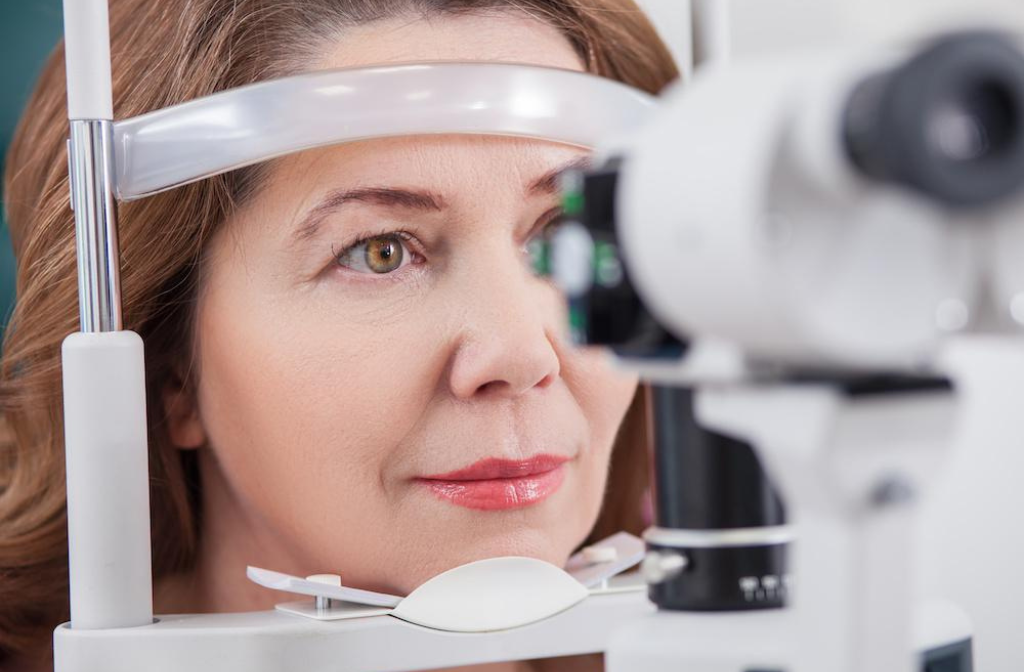
If you notice persistent blurry vision, eye pain, or difficulty seeing at night, it’s time to consult an expert. Early detection can prevent serious complications.
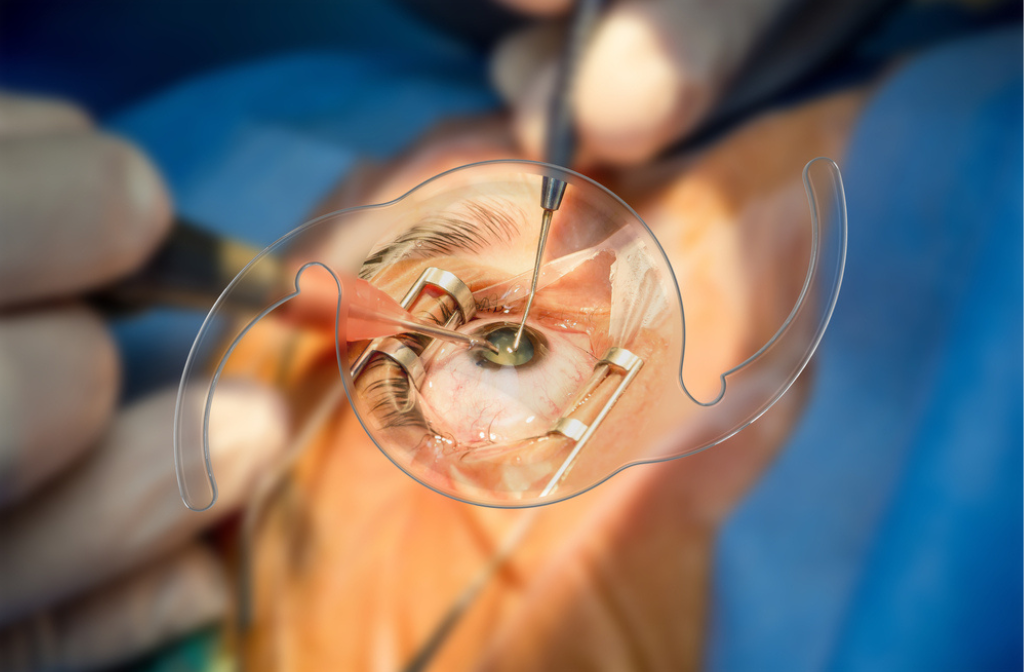
Professional care, including retinal laser treatment in Abu Dhabi, can address underlying issues before they worsen.
Why Choose Professional Eye Care in Abu Dhabi
Choosing the right specialist makes all the difference. With advanced technology and personalized care, you can ensure accurate diagnosis and effective treatment.
For expert care, visit an experienced Eye Specialist in Abu Dhabi who offers comprehensive solutions tailored to your needs.
Call to Action
Your vision deserves attention today not tomorrow. Whether you’re experiencing symptoms or simply want to maintain healthy eyesight, taking action now can protect your future vision.
Book a consultation with a trusted specialist and start your journey toward clearer, healthier eyesight.
Conclusion
Nutrition plays a powerful role in maintaining and improving eye health. From leafy greens to omega-3-rich fish, the top foods for eye health provide essential nutrients that protect and enhance vision. Pairing a healthy diet with professional eye care ensures long-term results.
FAQs
Q1. Can food really improve eyesight naturally?
Yes, nutrient-rich foods support eye function and may prevent certain vision problems.
Q2. What is the best food for eye health?
Leafy greens like spinach and kale are among the best due to high lutein content.
Q3. How often should I eat foods for eye health?
Daily consumption of a balanced diet is recommended for optimal benefits.
Q4. Are supplements necessary for eye health?
Not always, but they can help if you have nutrient deficiencies.
Q5. When should I see an eye doctor?
If you notice vision changes, discomfort, or persistent eye strain, consult a specialist promptly.