Hypertensive Retinopathy: How High Blood Pressure Can Damage Your Eyes
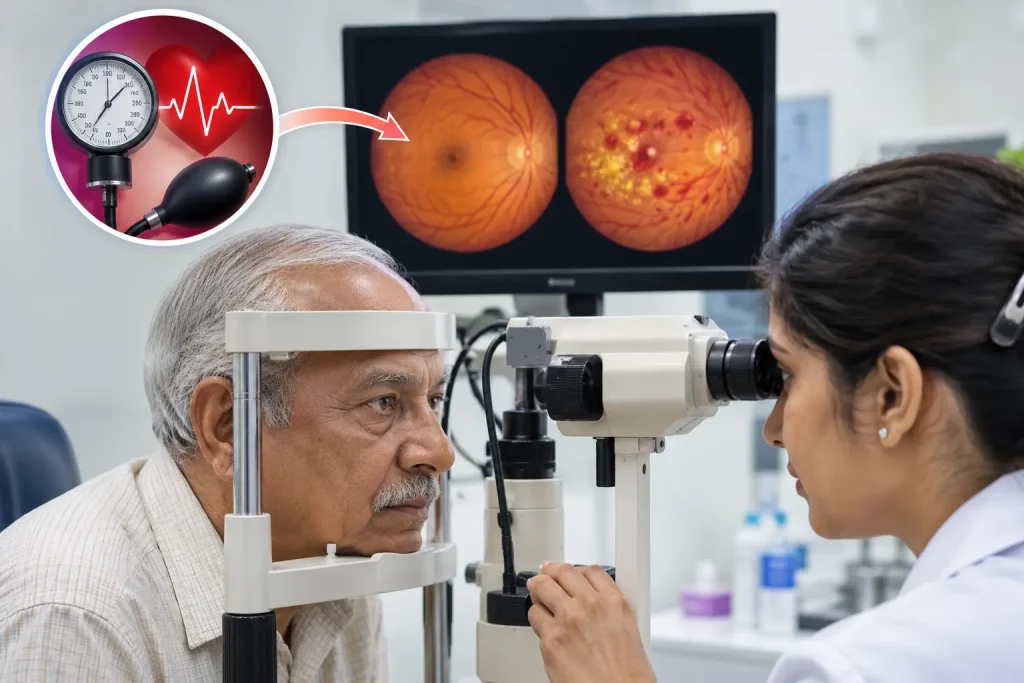
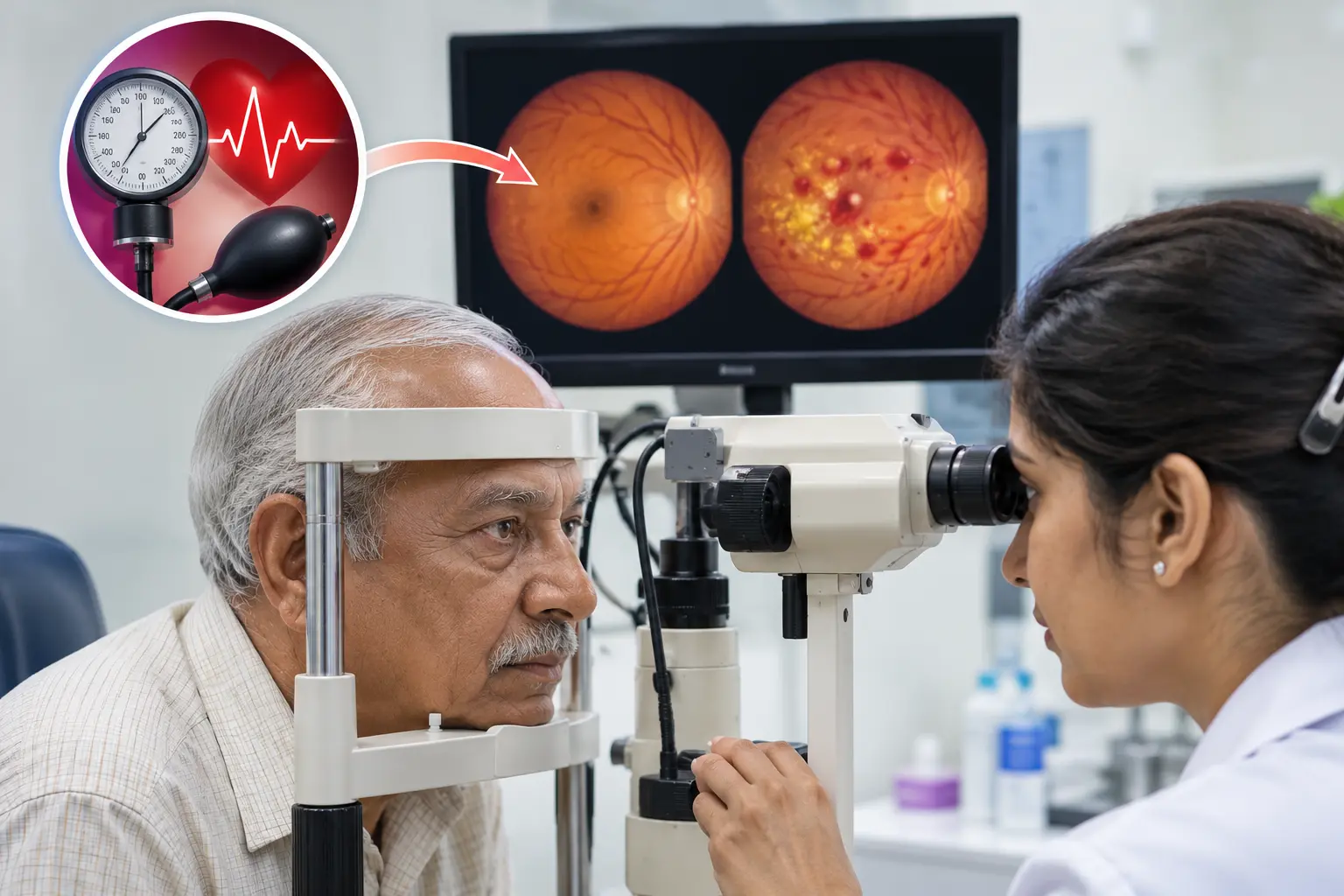
High blood pressure does not only affect your heart and kidneys; it can also damage the tiny blood vessels in your eyes. This condition is known as Hypertensive Retinopathy, which occurs when prolonged or severely elevated blood pressure affects the blood vessels supplying the retina.
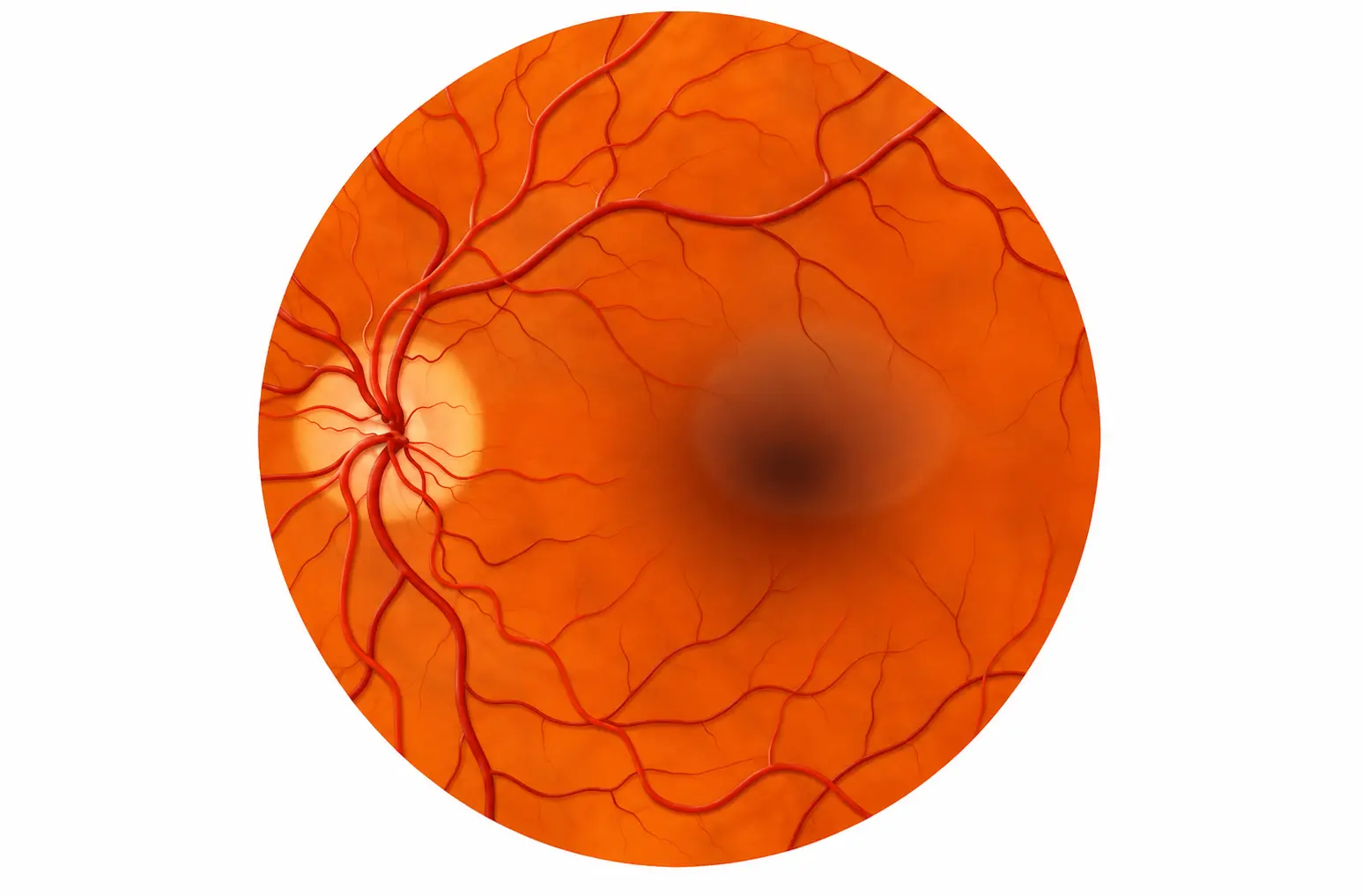
The retina is the light-sensitive layer at the back of the eye that helps you see clearly. Damage to its blood vessels can affect vision and, in severe cases, lead to permanent vision loss.
Understanding the early signs and getting regular eye examinations can help detect retinal damage before serious complications develop.
What Is Hypertensive Retinopathy?
Hypertensive Retinopathy is a retinal condition caused by damage to the blood vessels due to high blood pressure.
When blood pressure remains uncontrolled, the retinal blood vessels may become narrow, thickened, or damaged. This can reduce blood supply and cause fluid or blood to leak into the retina.
The condition may develop gradually, and many patients do not notice symptoms during the early stages.
What Are the Symptoms of Hypertensive Retinopathy?
Most people do not experience noticeable symptoms in the early stages. As retinal damage progresses, symptoms may include:
- Blurred Vision: Difficulty seeing objects clearly.
- Double Vision: Seeing two images instead of one.
- Reduced Vision: Gradual deterioration in eyesight.
- Dark or Dim Vision: Difficulty seeing clearly in certain situations.
- Headaches: May occur alongside severely elevated blood pressure.
Sudden vision changes, particularly with a severe rise in blood pressure, require urgent medical attention.
What Causes Hypertensive Retinopathy?
The primary cause is prolonged or severely elevated blood pressure that damages the retinal blood vessels.
Certain factors can increase the risk:
- Uncontrolled high blood pressure.
- Diabetes and high cholesterol.
- Smoking.
- Long-standing hypertension.
- Poor adherence to prescribed blood pressure medication.
The longer blood pressure remains uncontrolled, the greater the potential for retinal damage.
How Is Hypertensive Retinopathy Diagnosed?
A retina specialist may recommend the following examinations to identify retinal damage:
- Dilated Eye Examination: Helps examine retinal blood vessels and detect narrowing, bleeding, or swelling.
- Optical Coherence Tomography (OCT): Provides detailed images of retinal layers and helps identify swelling or fluid accumulation.
- Fundus Photography: Captures images of the retina to document and monitor changes in blood vessels.
- Blood Pressure Measurement: Helps identify uncontrolled hypertension that may be contributing to retinal damage.
These tests help determine the severity of the condition and guide further treatment.
What Are the Treatment Options for Hypertensive Retinopathy?
The primary treatment for hypertensive retinopathy is controlling blood pressure. Early management can help prevent further retinal damage.
Treatment may include:
1. Blood Pressure Management
Following prescribed medication and monitoring blood pressure regularly are essential.
2. Lifestyle Changes
Maintaining a healthy diet, exercising regularly, reducing salt intake, and avoiding smoking can support blood pressure control.
3. Treatment for Retinal Swelling
In selected cases involving vision-threatening retinal swelling, a specialist may recommend injections or laser treatment.
4. Regular Eye Monitoring:
Follow-up examinations help assess retinal health and identify complications.
Treatment depends on the severity of retinal damage and the patient’s overall health. Blood pressure should be lowered under medical supervision, particularly in severe cases.
How Can You Prevent Hypertensive Retinopathy?
Although not every case can be prevented, managing blood pressure can significantly reduce the risk of retinal damage.
- Check your blood pressure regularly.
- Take prescribed medication as directed.
- Follow a balanced, low-salt diet.
- Exercise regularly.
- Avoid smoking.
- Schedule routine eye examinations.
When Should You Visit a Retina Specialist?
Consult a retina specialist if you have high blood pressure and experience blurred vision, double vision, or changes in eyesight.
Even without symptoms, people with long-standing or uncontrolled hypertension should discuss appropriate eye screening with their doctor.
Seek urgent medical attention if you experience sudden vision loss or severe vision changes.
Conclusion
Hypertensive Retinopathy is a serious eye condition that develops when uncontrolled high blood pressure damages the retinal blood vessels. Since early stages may not cause noticeable symptoms, regular eye examinations and proper blood pressure management are important.
At Retina Care Abu Dhabi, patients can seek specialised retinal evaluation and guidance for retinal conditions. If you have high blood pressure or notice changes in your vision, consult a retina specialist to assess your retinal health and understand the appropriate care options.
Frequently Asked Questions (FAQs)
Q1. Can high blood pressure cause permanent eye damage?
Yes. Prolonged uncontrolled hypertension can damage retinal blood vessels and may cause permanent vision loss in severe cases.
Q2. What are the early signs of hypertensive retinopathy?
Early stages often have no noticeable symptoms. Blurred vision and reduced eyesight may develop as the condition progresses.
Q3. Can hypertensive retinopathy be reversed?
Some retinal changes may improve after blood pressure is controlled, but permanent blood vessel or optic nerve damage may not fully recover.
Q4. How is hypertensive retinopathy treated?
Treatment primarily involves controlling blood pressure. Additional retinal treatments may be required if swelling or other vision-threatening complications develop.
Q5. Can hypertensive retinopathy cause blindness?
Severe or untreated hypertensive retinopathy can cause significant and potentially permanent vision loss.