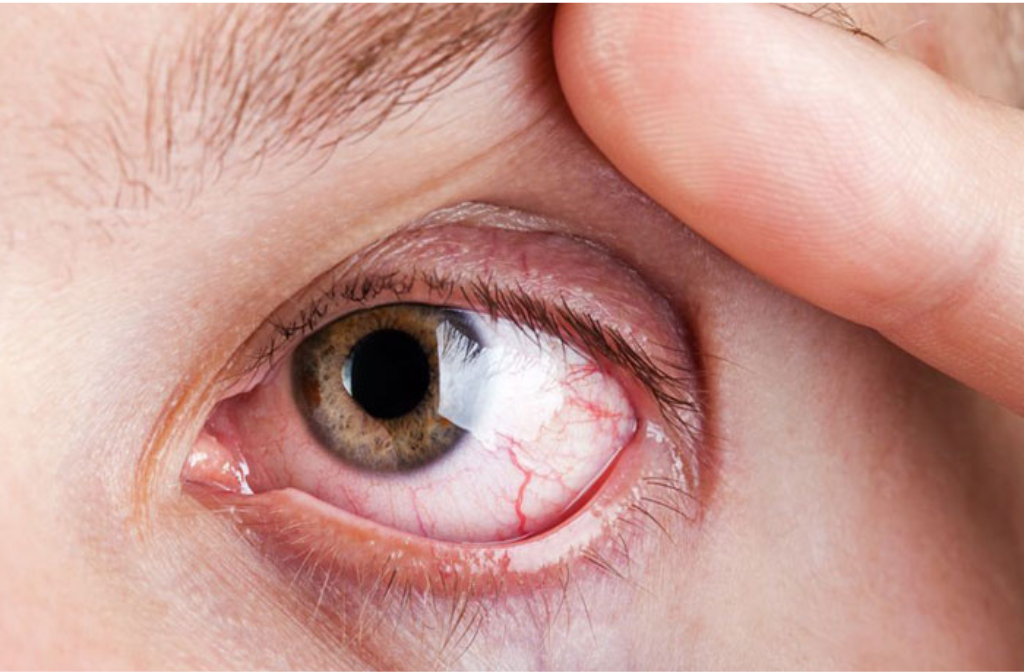
Epiretinal Membrane (Macular Pucker): Symptoms, Causes, Diagnosis & Treatment
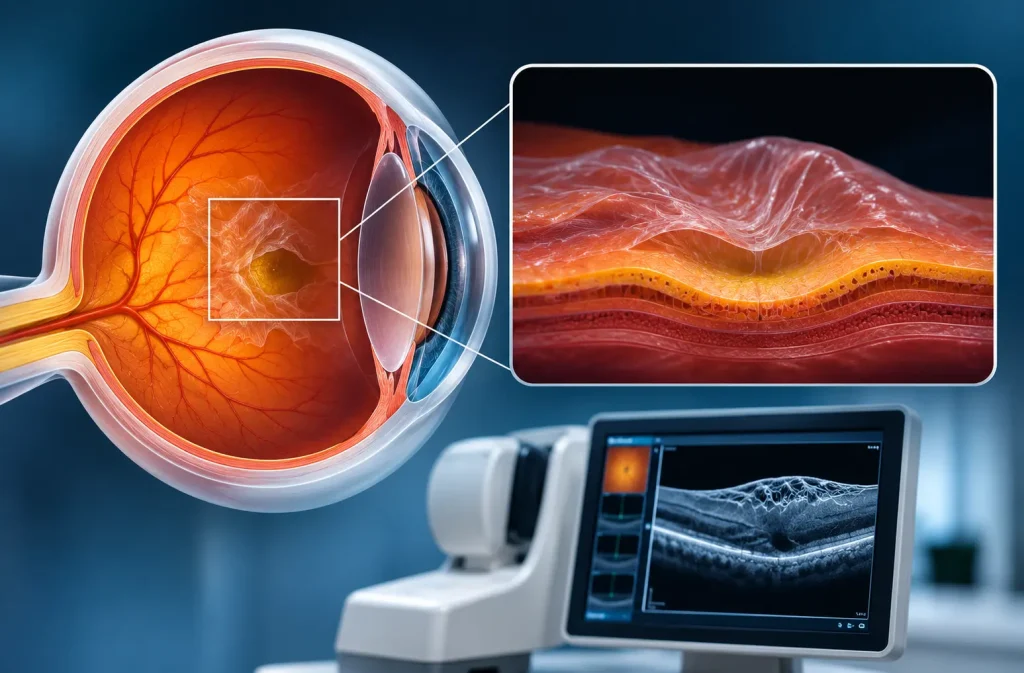
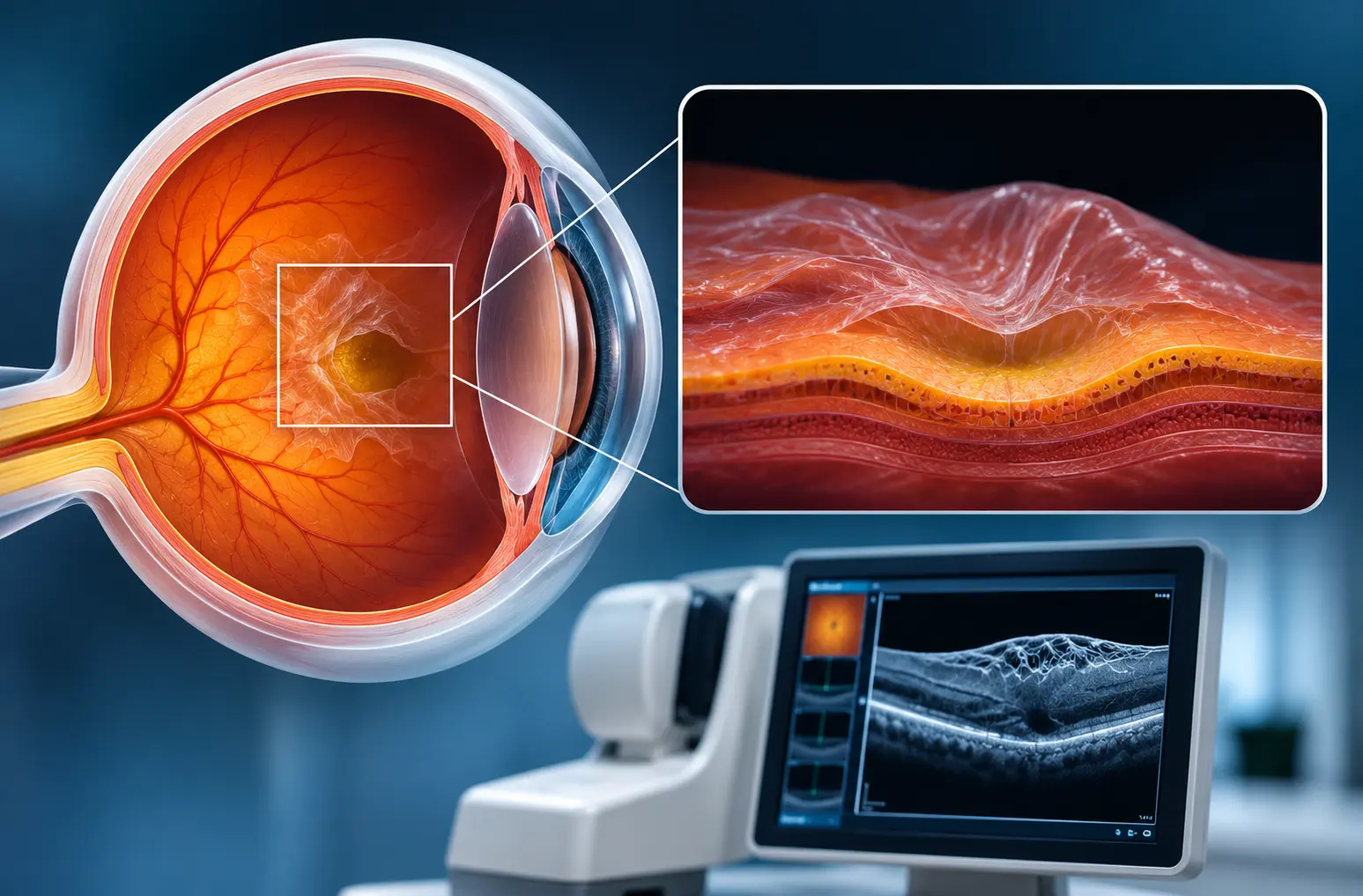
An Epiretinal Membrane (ERM), also known as Macular Pucker, is an eye condition in which a thin layer of scar-like tissue forms on the surface of the retina. It can cause the macula to wrinkle, affecting central vision and making straight lines appear wavy or distorted.
The condition is more common with increasing age. Early diagnosis and regular retinal examinations can help monitor changes and determine whether treatment is needed.
What Is an Epiretinal Membrane?
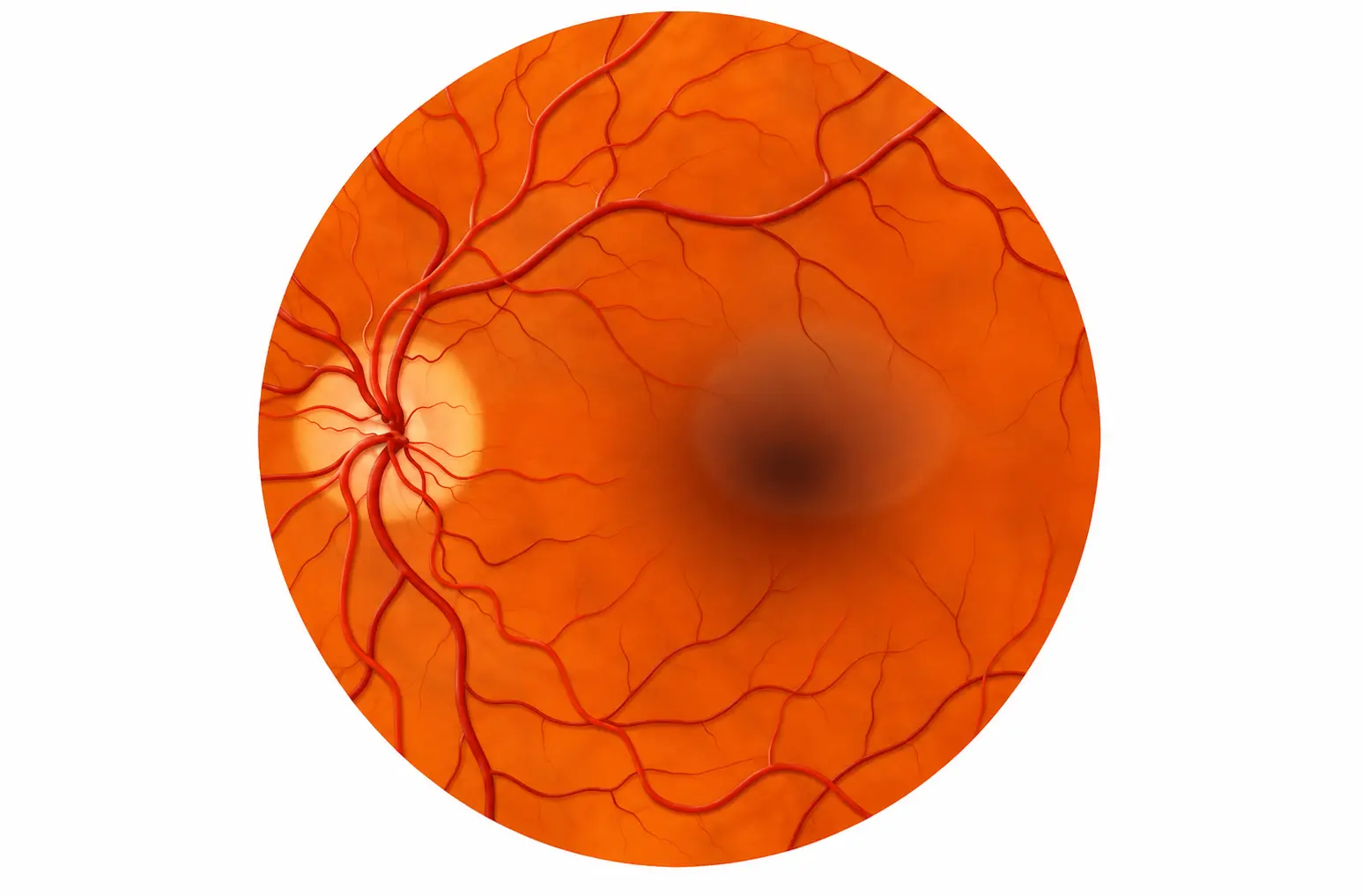
The macula is the central part of the retina responsible for sharp vision, reading, and recognising faces.
In Epiretinal Membrane, a thin layer of tissue develops over the macula and may contract, causing wrinkles on the retinal surface. This can lead to blurred or distorted central vision.
What Are the Symptoms of Macular Pucker?
Symptoms may develop gradually and vary depending on the severity of the condition.
Common symptoms include:
- Blurred Vision: Difficulty seeing fine details clearly.
- Distorted Vision: Straight lines may appear bent or wavy.
- Reading Difficulties: Letters may look crowded or distorted.
- Double Vision: Some patients may experience double vision in one eye.
- Reduced Central Vision: Difficulty recognising faces or performing detailed tasks.
Some people have no noticeable symptoms, and the condition is discovered during a routine eye examination.
What Causes Epiretinal Membrane?
Age-related changes inside the eye are the most common cause of Epiretinal Membrane. Other possible risk factors include:
- Posterior vitreous detachment (PVD).
- Previous retinal tear or detachment.
- Diabetes and retinal blood vessel disorders.
- Eye injuries or previous eye surgery.
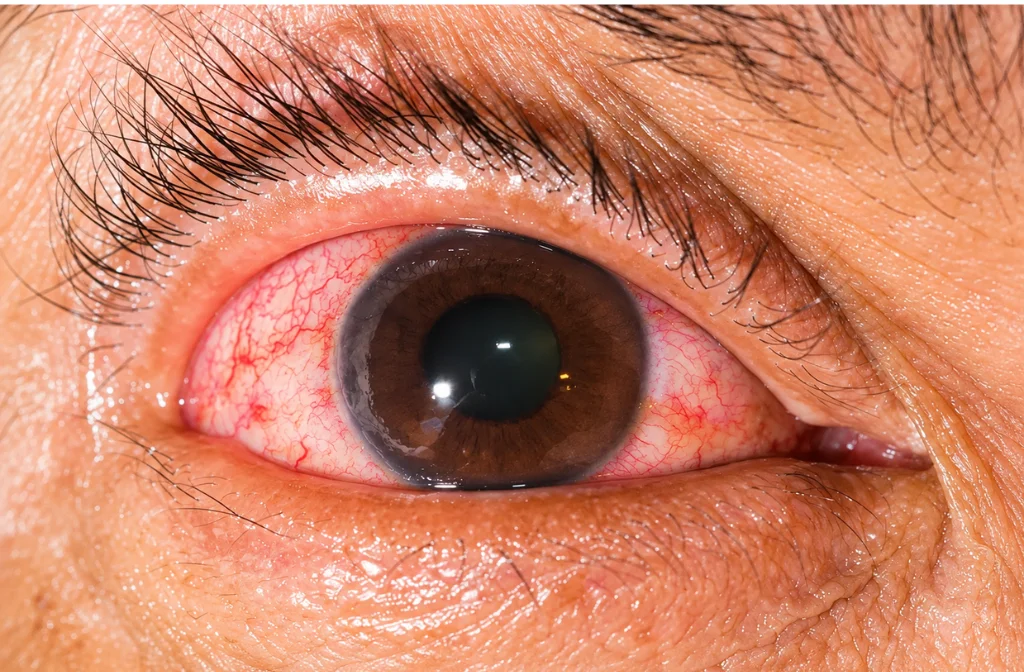
- Inflammation inside the eye.
In many cases, the exact cause is unknown.
How Is Epiretinal Membrane Diagnosed?
A retina specialist may recommend the following tests:
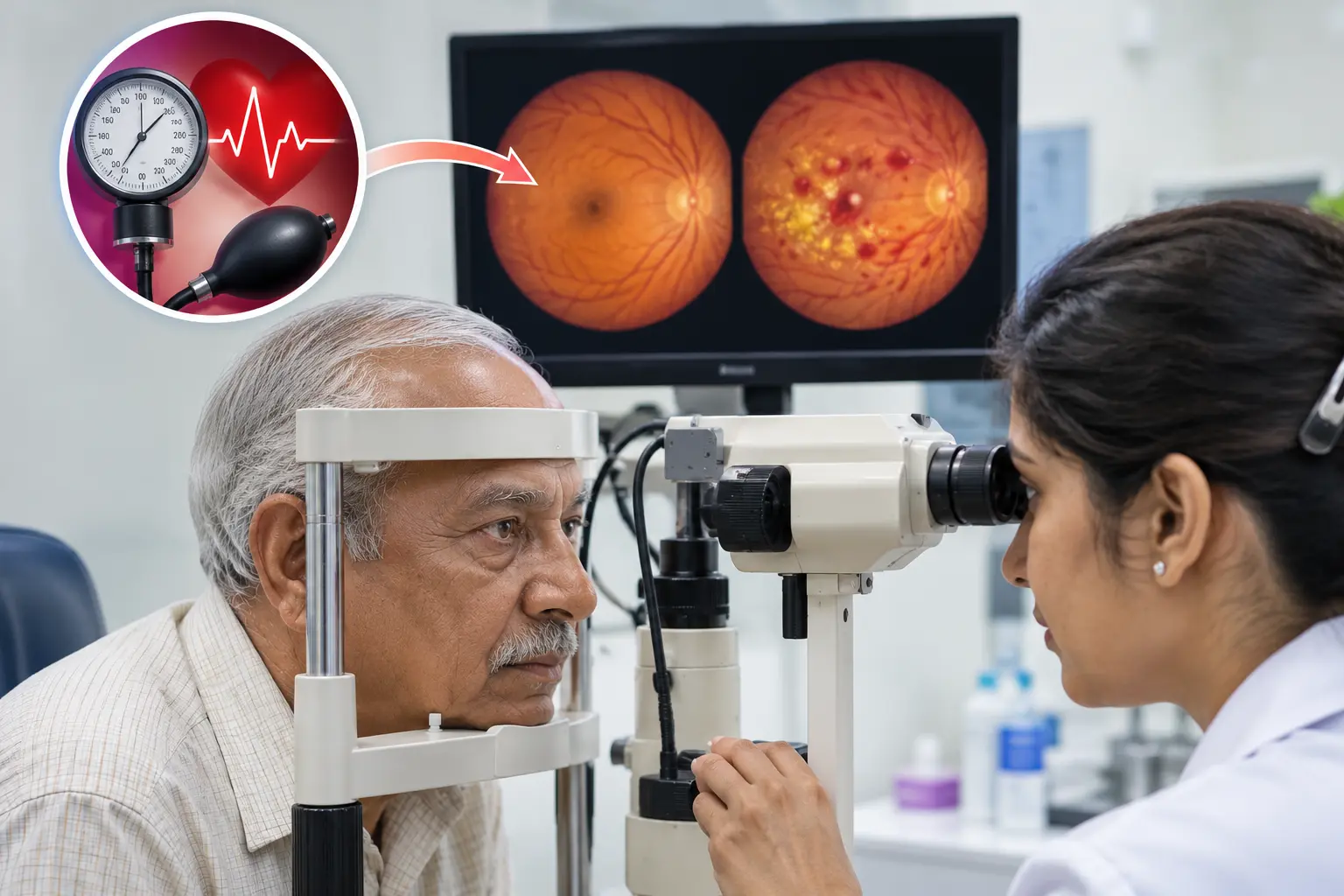
- 1. Dilated Eye Examination: Helps examine the retina and identify abnormal tissue on the macula.
- 2. Optical Coherence Tomography (OCT): Provides detailed cross-sectional images of the retina to identify membrane formation, retinal wrinkles, and swelling.
- 3. Visual Acuity Test: Measures how clearly a patient can see at different distances.
These examinations help determine the severity of the condition and whether treatment is necessary.
What Are the Treatment Options for Macular Pucker?
Treatment depends on the severity of symptoms and their impact on daily activities.
1. Regular Monitoring
Mild cases may not require immediate treatment. Regular eye examinations help monitor any changes.
2. Vision Correction
Updated glasses or contact lens prescriptions may help improve vision in some patients.
3. Vitrectomy Surgery
If vision becomes significantly affected, a retina specialist may recommend vitrectomy with membrane peeling. During this procedure, the vitreous gel and abnormal membrane are removed to reduce traction on the macula.
Vision may gradually improve after surgery, although complete recovery is not guaranteed.
When Should You Visit a Retina Specialist?
Consult a retina specialist if you notice:
- Straight lines appearing wavy or distorted.
- Blurred or reduced central vision.
- Difficulty reading or recognising faces.
- Changes in vision in one eye.
Early evaluation helps identify retinal changes and determine the most appropriate management.
Conclusion
Epiretinal Membrane, or Macular Pucker, can affect central vision by causing wrinkles on the macula. While mild cases may only require regular monitoring, more severe cases may need surgical treatment.
At Retina Care Abu Dhabi, patients can seek specialised retinal evaluation and guidance for retinal conditions. If you have high blood pressure or notice changes in your vision, consult a retina specialist to assess your retinal health and understand the appropriate care options.
Frequently Asked Questions (FAQs)
Q1. Can high blood pressure cause permanent eye damage?
Yes. Prolonged uncontrolled hypertension can damage retinal blood vessels and may cause permanent vision loss in severe cases.