10 Common Myths About Cataracts That Are Totally Wrong
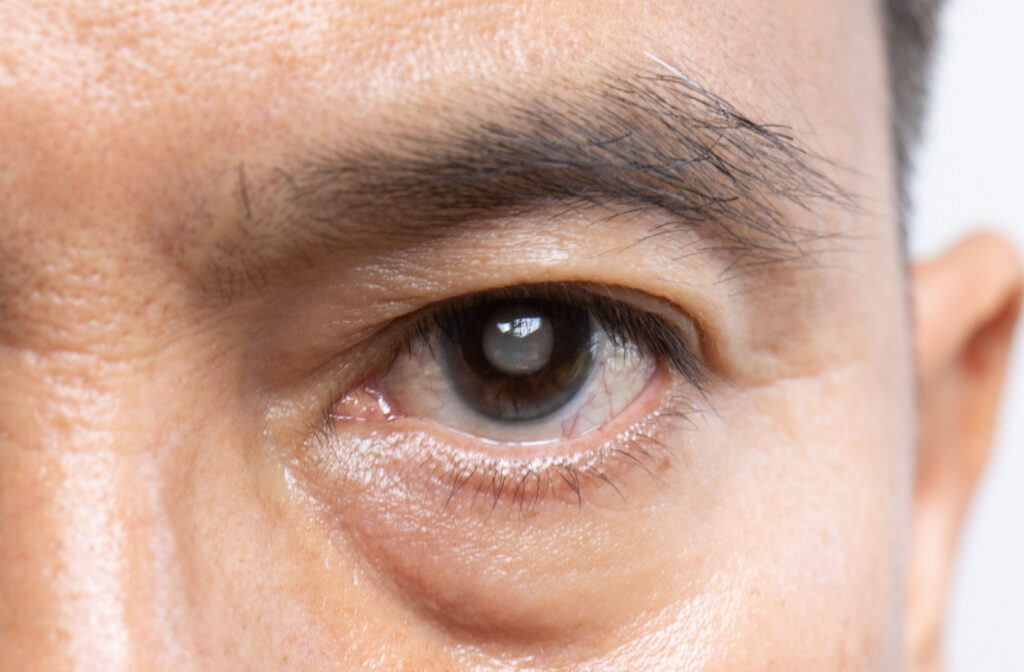
Cataracts are one of the most common causes of vision problems worldwide, yet they’re surrounded by confusion, half-truths, and outdated beliefs. If you’ve ever heard someone say things like “only old people get cataracts” or “you should wait until it’s really bad before surgery,” you’re not alone. These common myths about cataracts continue to circulate, often delaying treatment and causing unnecessary fear.
At Retina Care Abu Dhabi, led by a highly experienced retina specialist in Abu Dhabi, patients are educated with clarity and honesty so they can make confident decisions about their eye health. If you’re curious about expert-led cataract treatment in Abu Dhabi, you can explore more here Expert eye care services in Abu Dhabi
Understanding the truth behind these myths isn’t just helpful—it’s essential. Because when it comes to your vision, misinformation can cost more than just clarity—it can cost quality of life.
Myth #1: Cataracts Only Affect the Elderly
Reality Check: Cataracts Can Occur at Any Age
This is probably the most widespread myth out there. Yes, cataracts are more common in older adults, but that doesn’t mean younger people are immune. Cataracts can develop due to diabetes, eye injuries, genetics, prolonged UV exposure, or even certain medications like steroids.
Think of your eye’s lens like a clear window. Over time—or under certain conditions—that window can fog up earlier than expected. In fact, many patients in their 40s or 50s begin noticing early signs of cataracts, especially in regions with intense sunlight like the UAE.
Ignoring early symptoms because “you’re too young” is risky. Blurred vision, glare sensitivity, and difficulty seeing at night are all signs that shouldn’t be brushed off. An experienced eye specialist in Abu Dhabi can detect and manage these early changes effectively.
Myth #2: Reading Too Much Causes Cataracts
Understanding the Real Causes of Cataracts
Let’s clear this up—reading, using your phone, or staring at a screen does not cause cataracts. This myth likely comes from the general idea that eye strain equals eye damage, which isn’t entirely true.
Cataracts form when proteins in the eye’s lens break down and clump together, leading to cloudiness. The real culprits include:
- Aging
- UV radiation
- Smoking
- Diabetes
- Eye trauma
So, while binge-reading your favorite novel might strain your eyes temporarily, it won’t lead to cataracts. It’s like blaming a book for fogging up a window—it just doesn’t work that way.
Myth #3: Cataracts Can Be Cured with Eye Drops
Understanding the Real Causes of Cataracts
If eye drops could cure cataracts, surgery wouldn’t exist. Despite claims online, there is no scientifically proven eye drop that can reverse cataracts.
According to the National Eye Institute (NIH), cataract surgery remains the only effective treatment:
Eye drops may help with dryness or irritation, but they cannot clear a cloudy lens. The only solution is to replace the affected lens with an artificial one—a procedure that is quick, safe, and highly effective.
Myth #4: Cataract Surgery Is Dangerous
Safety and Success Rates Explained
This myth often scares people into delaying treatment. The truth? Cataract surgery is one of the safest and most commonly performed surgeries in the world.
Modern techniques like phacoemulsification and laser-assisted surgery have made the procedure:
- Minimally invasive
- Highly precise
- Quick (often under 30 minutes)
Success rates exceed 95%, making it incredibly reliable. When performed by an experienced retina specialist in Abu Dhabi, risks are minimal and outcomes are excellent.
Myth #5: Cataracts Grow Back After Surgery
What Actually Happens Post-Surgery
Once a cataract is removed, it cannot grow back. However, some patients may experience posterior capsule opacification (PCO), which can feel like the cataract has returned.
Think of it as a thin film forming behind a clean window—not the window itself becoming dirty again. This is easily treated with a quick, painless laser procedure.
Myth #6: You Should Wait Until Cataracts Are “Mature”
This outdated advice still lingers. Years ago, surgery required cataracts to be fully developed. Today, that’s no longer necessary.
Waiting can actually make surgery more complicated and reduce quality of life. If cataracts interfere with daily activities—driving, reading, or recognizing faces—it’s time to consider treatment.
Myth #7: Cataracts Are Preventable
While you can reduce risk, you cannot completely prevent cataracts. Healthy habits like wearing sunglasses, eating antioxidants, and managing diabetes help—but they don’t guarantee prevention.
It’s similar to aging—you can slow it down, but not stop it entirely.
Myth #8: Vision Loss from Cataracts Is Permanent
Here’s the good news—cataract-related vision loss is reversible. Surgery replaces the cloudy lens with a clear artificial one, restoring vision in most cases.
In fact, many patients report better vision than before, especially with advanced intraocular lenses.
Myth #9: Cataract Surgery Requires Long Recovery
Recovery is surprisingly quick. Most patients resume normal activities within a few days, with full recovery in a few weeks.
No long hospital stays. No major downtime. Just gradual improvement in vision—often noticeable within 24–48 hours.
Myth #10: Cataracts Are Painful
Cataracts themselves are painless. They develop slowly and silently, which is why regular eye exams are so important.
Pain, if present, usually indicates another eye condition—not cataracts.
Key Statistics About Cataracts Awareness
Awareness about cataracts is still evolving. Studies show:
- Over 79% of people recognize cataracts as lens clouding
- Around 73.5% know it’s a leading cause of vision loss
- Only 11% understand that surgery restores vision
Globally, the World Health Organization (WHO) identifies cataracts as a leading cause of blindness:
This gap in awareness highlights why debunking cataracts myths and facts is so important.
When Should You See an Eye Specialist in Abu Dhabi?
If you notice:
- Blurry or cloudy vision
- Sensitivity to light
- Difficulty seeing at night
…it’s time to consult an expert. Early diagnosis makes treatment simpler and outcomes better.
Why Choose Us for Cataract Treatment in Abu Dhabi
Choosing the right specialist makes all the difference. At Retina Care Abu Dhabi, you benefit from:
- 28+ years of expertise
- Advanced diagnostic technology
- Personalized patient care
👉 Learn more about cataract treatment in Abu Dhabi here:
Call to Action: Take the First Step Toward Clear Vision
Don’t let myths control your decisions. If you’re experiencing symptoms or simply want peace of mind, book a consultation today. Clear vision might be closer than you think.
Conclusion
Believing in myths can delay treatment and impact your quality of life. Cataracts are common, treatable, and manageable with the right care. By understanding the truth, you empower yourself to take action at the right time.
FAQs
Q1. What are the first signs of cataracts?
Blurred vision, glare sensitivity, and faded colors are early signs.
Q2. Can cataracts be treated without surgery?
No, surgery is the only proven treatment.
Q3. Is cataract surgery painful?
No, it is typically painless and performed under local anesthesia.
Q4. How long does cataract surgery take?
Usually 15–30 minutes.
Q5. Can cataracts cause blindness?
Yes, if untreated—but vision can be restored with surgery.