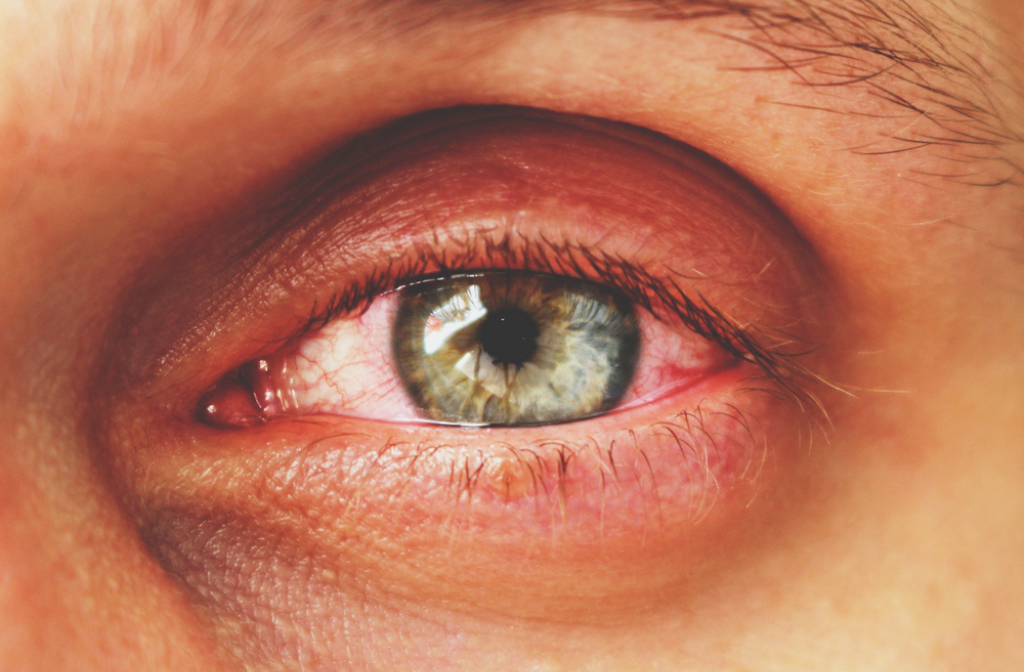
Retinal Laser Photocoagulation – Types, Benefits, and PRP Procedure
Retinal Laser Treatment
Imagine trying to fix a leaking pipe inside a wall without tearing the whole structure apart. Sounds impossible, right? That’s exactly what retinal laser photocoagulation does for your eye it targets and seals problem areas without invasive surgery. This advanced treatment has become a cornerstone in modern ophthalmology, especially for conditions that threaten vision like diabetic retinopathy and retinal tears.
At Retina Care Abu Dhabi, patients benefit from advanced retinal laser treatment in Abu Dhabi performed by an experienced retina specialist in Abu Dhabi. If you’re exploring safe and effective solutions guided by a leading eye specialist in Abu Dhabi, you can learn more here:
Advanced retinal laser treatment in Abu Dhabi
Understanding how this treatment works can make a big difference in how confidently you approach your eye care journey.
What Is Retinal Laser Photocoagulation?
Retinal laser photocoagulation is a non-invasive procedure that uses focused laser energy to create tiny burns on the retina. These controlled burns seal leaking blood vessels, prevent abnormal growth, and stabilize the retina.
Think of it as a precise welding tool for your eye, targeted, controlled, and highly effective.
Why Is Retinal Laser Treatment Needed?
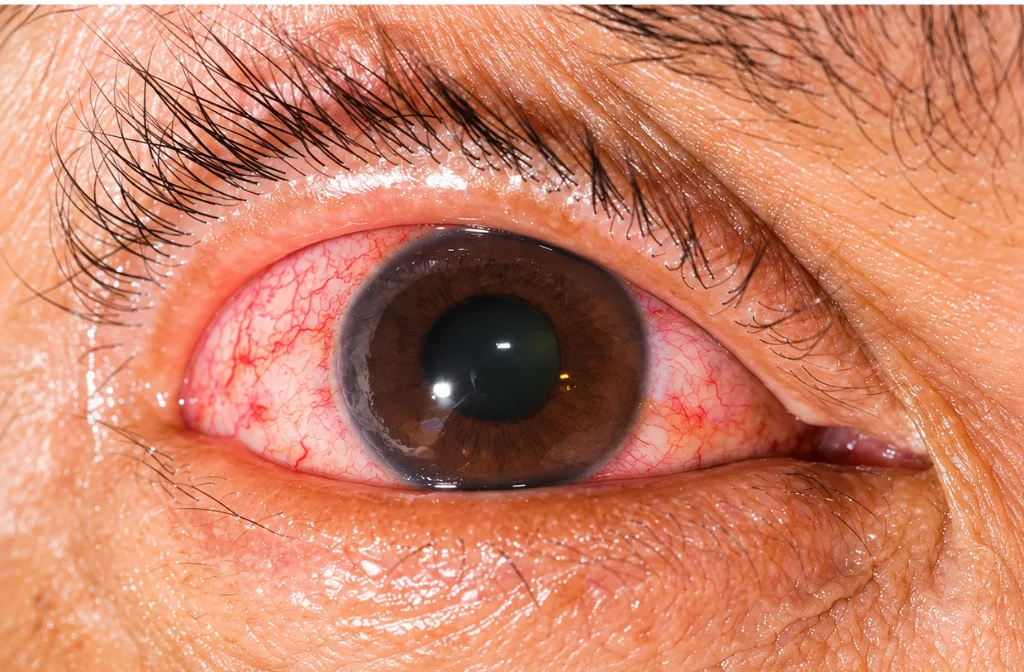
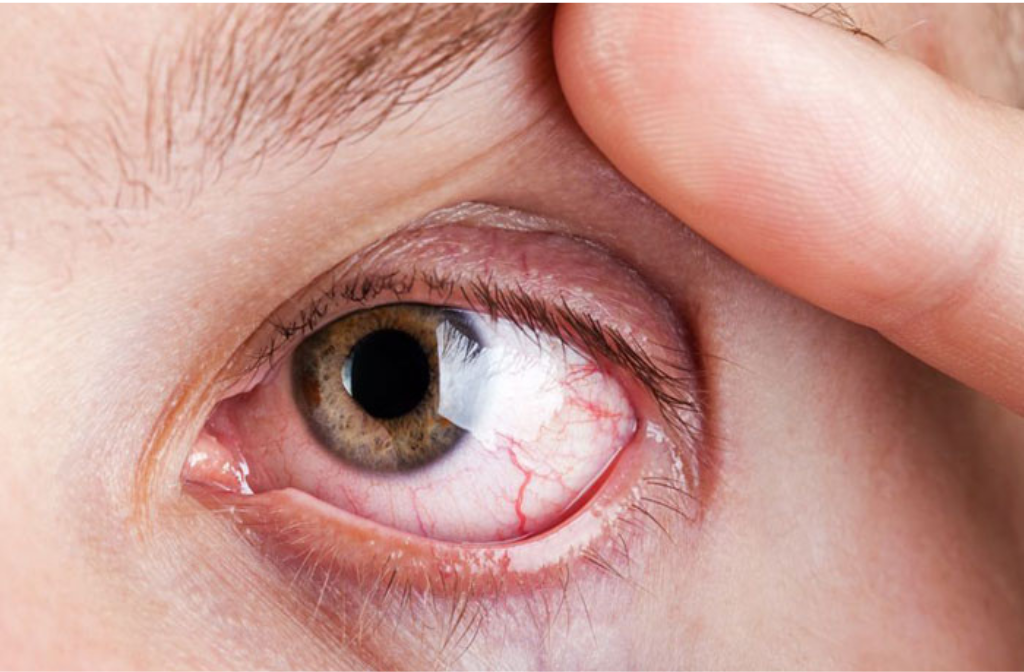
Your retina is delicate, and even small problems can lead to major vision issues. When blood vessels leak or abnormal vessels grow, they can damage the retina.
Laser treatment helps:
- Stop leakage
- Prevent further damage
- Reduce risk of vision loss
Conditions Treated with Retinal Laser
This treatment is commonly used for:
- Diabetic retinopathy
- Retinal tears
- Retinal vein occlusion
- Macular edema
Early treatment can make the difference between preserving and losing vision.
Types of Retinal Laser Photocoagulation
Focal Laser Photocoagulation
Targets specific leaking blood vessels. It’s precise and used mainly for macular edema.
Grid Laser Photocoagulation
Applies a grid pattern of laser spots to treat diffuse leakage in the retina.
Pan-Retinal Photocoagulation (PRP)
Used for widespread retinal disease, especially proliferative diabetic retinopathy (PDR).
What Is PRP (Pan-Retinal Photocoagulation)?
PRP is a specialized laser treatment where multiple laser burns are applied to the peripheral retina. These burns reduce oxygen demand and help shrink abnormal blood vessels.
How PRP Works in Treating Retinal Diseases
In conditions like PDR, abnormal vessels grow due to a lack of oxygen. PRP targets the peripheral retina, reducing the stimulus for this growth.
This helps:
- Prevent vitreous haemorrhage
- Control neovascularization
- Protect central vision
Step-by-Step PRP Procedure
The procedure is straightforward and done in a clinic setting:
- Numbing drops (topical anaesthesia) are applied
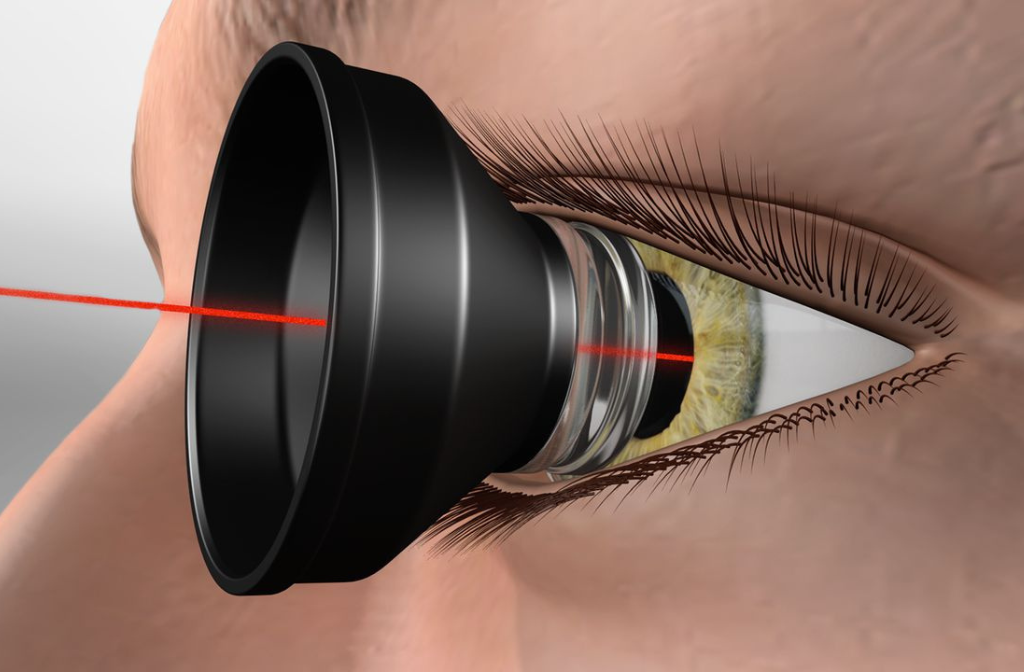
- A special lens is placed on the eye
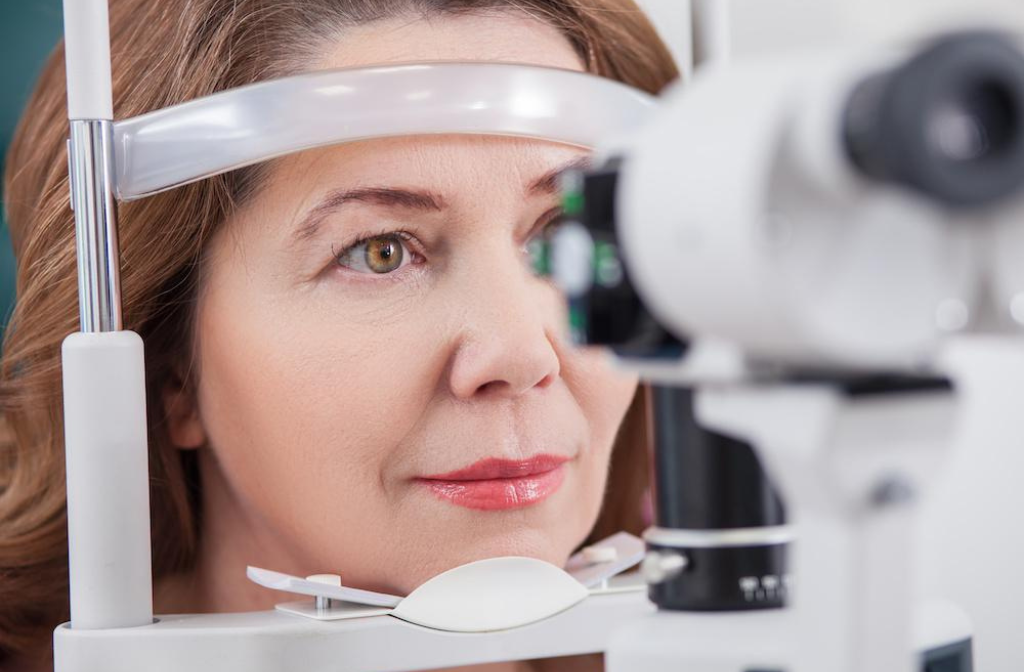
- Laser is delivered using a slit lamp or an indirect ophthalmoscope
- Hundreds to thousands of small laser burns are applied
Each session lasts about 15–30 minutes.
Is Retinal Laser Treatment Painful?
Most patients feel mild discomfort rather than pain. It may feel like brief flashes of light or slight stinging sensations.
It’s quick and far less intimidating than it sounds.
Benefits of Retinal Laser Photocoagulation
The benefits are significant:
- Reduces the risk of severe vision loss by over 50% in PDR cases
- Stabilizes retinal conditions
- Prevents complications
According to global ophthalmic data, treated eyes have significantly better outcomes than untreated ones.
Risks and Side Effects
Like any procedure, there are minor risks:
- Temporary blurred vision
- Reduced night vision
- Mild discomfort
Serious complications are rare when performed by an experienced retina specialist in Abu Dhabi.
Recovery After Laser Treatment
Recovery is typically quick:
- Vision may be blurry for a few hours
- Normal activities can resume within a day
Patients are usually advised to avoid strenuous activity briefly.
How Many Sessions Are Required?
PRP often requires:
- 3 to 4 sessions, depending on severity
Your doctor will tailor the treatment plan to your condition.
Effectiveness and Success Rates
PRP has been proven highly effective. Studies show:
- Untreated eyes: 16.3% risk of severe vision loss
- Treated eyes: 6.4% risk over 2 years
That’s a significant improvement.
For more clinical insights, refer to the National Eye Institute:
When to See a Retina Specialist in Abu Dhabi
Don’t ignore symptoms like:
- Sudden floaters
- Blurred or distorted vision
- Flashes of light
Early consultation can prevent permanent damage.
Why Choose Us for Retinal Laser Treatment in Abu Dhabi
At Retina Care Abu Dhabi, you get:
- Expertise from a highly experienced surgeon
- Advanced diagnostic technology
- Personalized treatment plans
Discover more about retinal laser treatment in Abu Dhabi
Why Choose Us for Macular Degeneration Treatment in Abu Dhabi
At Retina Care Abu Dhabi, patients benefit from:
- 28+ years of surgical expertise
- Advanced retinal imaging and diagnostics
- Personalized treatment plans
Learn more about macular degeneration treatment in Abu Dhabi
Call to Action
Your vision deserves expert care. Don’t wait for symptoms to worsen; early treatment can save your sight. Book your consultation today.
Conclusion
Retinal laser photocoagulation, especially PRP, has revolutionized the treatment of serious eye conditions. It’s fast, effective, and can dramatically reduce the risk of vision loss. With timely care and expert guidance, protecting your vision is more achievable than ever.
FAQs
Q1. What is retinal laser photocoagulation?
A procedure that uses a laser to treat retinal problems.
Q2. What is PRP used for?
To treat proliferative diabetic retinopathy.
Q3. Is the procedure safe?
Yes, when performed by specialists.
Q4. How long does it take?
Around 15–30 minutes per session.
Q5. How many sessions are needed?
Usually 3–4 sessions.