Anti-VEGF Eye Injections in Abu Dhabi for Macular Degeneration: Procedure & Results
A Modern Solution for Vision Loss
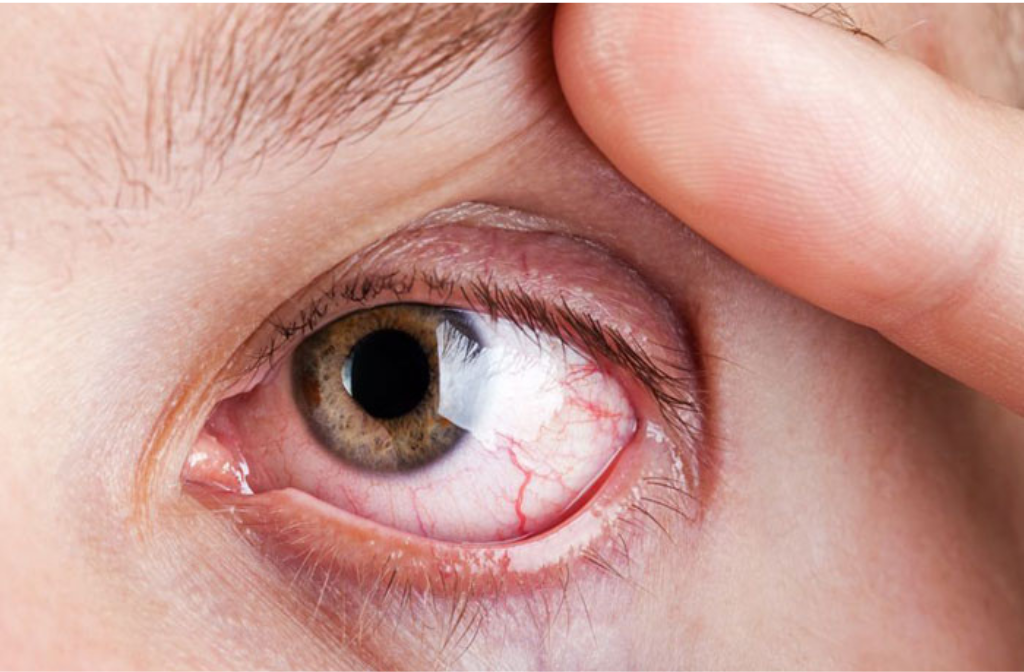
Losing your central vision can feel like someone slowly dimming the lights on your world. Reading becomes harder, faces blur, and everyday tasks start to feel frustrating. This is often the reality for people dealing with macular degeneration, especially the more aggressive form known as wet AMD.
At Retina Care Abu Dhabi, led by a highly experienced retina specialist in Abu Dhabi, advanced treatments like anti-VEGF injections for macular degeneration Abu Dhabi are helping patients regain control over their vision. If you’re exploring expert-led macular degeneration treatment in Abu Dhabi, learn more here: Consult a leading eye specialist in Abu Dhabi
Understanding how these treatments work can turn uncertainty into confidence and fear into informed action.
What Is Macular Degeneration (AMD)?
Macular degeneration affects the macula, the part of your retina responsible for sharp, central vision. When it deteriorates, tasks like reading or recognizing faces become difficult.
It doesn’t cause complete blindness, but it significantly impacts quality of life. Think of it like a camera losing its focus right at the center of the frame.
Wet AMD vs Dry AMD: Key Differences
There are two main types:
- Dry AMD: Slow progression, caused by thinning of the macula
- Wet AMD: Rapid and severe, caused by abnormal blood vessel growth
Wet AMD is where anti-VEGF injections play a critical role.
What Are Anti-VEGF Eye Injections?
Anti-VEGF injections are medications delivered directly into the eye to block a protein called vascular endothelial growth factor (VEGF). This protein triggers abnormal blood vessel growth in wet AMD.
By stopping VEGF, these injections help:
- Reduce leakage
- Prevent further damage
- Stabilize or improve vision
How Anti-VEGF Injections Work
The concept is simple yet powerful. VEGF acts like a signal telling your body to grow new blood vessels. In wet AMD, this signal goes into overdrive.
Anti-VEGF therapy works like turning off that signal, stopping abnormal growth and protecting your retina.
Common Medications Used (Lucentis, Avastin, Eylea)
The most commonly used drugs include:
- Lucentis (Ranibizumab)
- Avastin (Bevacizumab)
- Eylea (Aflibercept)
Each works slightly differently but shares the same goal: suppress abnormal blood vessel growth and improve outcomes.
Who Needs Anti-VEGF Treatment?
You may need this treatment if you have:
- Wet age-related macular degeneration
- Diabetic macular edema
- Retinal vein occlusion
An experienced eye specialist in Abu Dhabi will determine the best approach based on your condition.
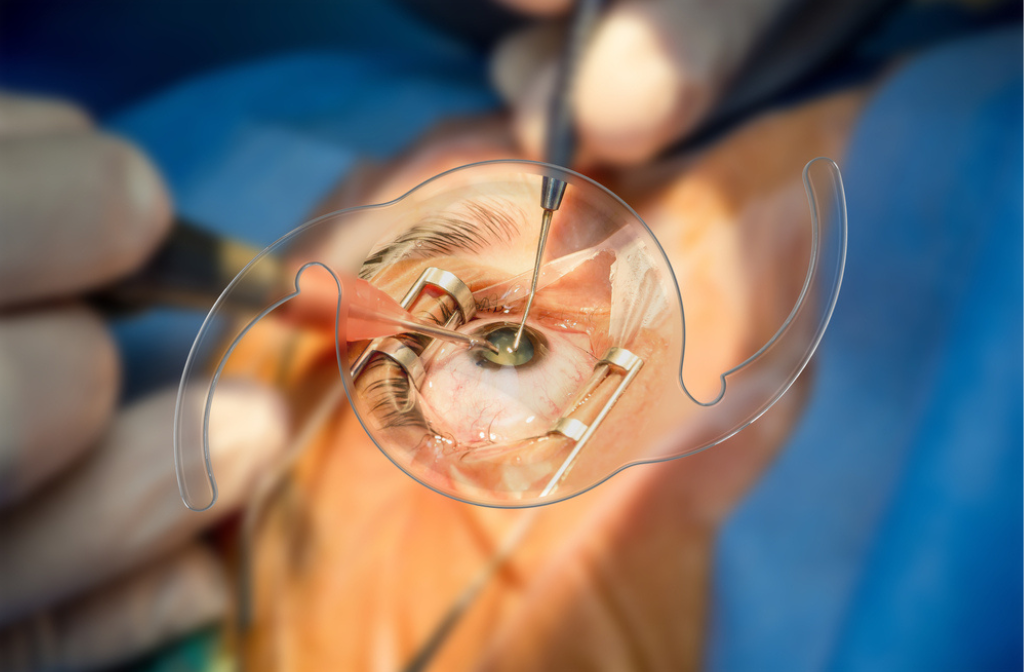
Intravitreal Anti-VEGF Injection Procedure
Step-by-Step Procedure
The idea of an eye injection sounds intimidating but the procedure is quick and carefully controlled.
Here’s what typically happens:
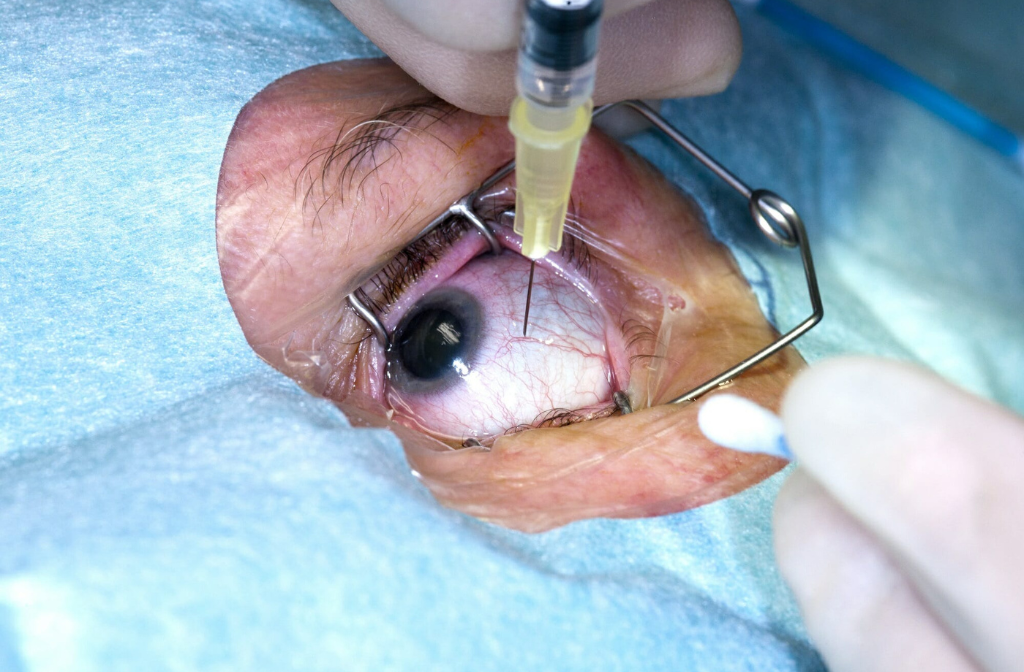
- The eye is numbed using anesthetic drops
- The area is cleaned to maintain a sterile eye injection environment
- The medication is injected into the vitreous (gel inside the eye)
- The entire process takes about 15–30 minutes
It’s an in-office procedure, meaning no hospital stay is required.
Is the Injection Painful? What to Expect
Most patients describe it as slightly uncomfortable rather than painful. Thanks to numbing drops, you may feel only mild pressure.
It’s similar to a quick pinch over before you know it.
Recovery After the Injection
Recovery is usually smooth:
- Mild redness or irritation for a day or two
- Slight floaters may appear temporarily
Most people return to normal activities within 24 hours.
Results and Visual Improvement Expectations
The goal of anti-VEGF injections macular degeneration Abu Dhabi is to:
- Stabilize vision
- Prevent further loss
- Improve visual acuity in some cases
Studies show patients may gain 4–9 letters in vision tests, though results vary depending on consistency and disease stage.
How Many Injections Are Needed?
This isn’t a one-time treatment. Most patients require:
- Initial monthly injections
- Followed by maintenance doses
In UAE data, patients averaged ≤3 injections over 12 months, though more frequent dosing may yield better results.
Risks and Side Effects
While generally safe, potential risks include:
- Infection (rare)
- Increased eye pressure
- Temporary discomfort
Choosing an experienced retina specialist in Abu Dhabi minimizes these risks significantly.
Importance of Regular Follow-Up Monitoring
Consistency is key. Skipping follow-ups can reduce treatment effectiveness.
Regular monitoring ensures:
- Timely injections
- Early detection of changes
- Better long-term outcomes
According to the American Academy of Ophthalmology, ongoing monitoring is crucial for managing AMD effectively.
When to See a Retina Specialist in Abu Dhabi
If you notice:
- Distorted vision (straight lines appearing wavy)
- Dark spots in central vision
- Sudden vision changes
…it’s time to seek expert care immediately.
Why Choose Us for Macular Degeneration Treatment in Abu Dhabi
At Retina Care Abu Dhabi, patients benefit from:
- 28+ years of surgical expertise
- Advanced retinal imaging and diagnostics
- Personalized treatment plans
Learn more about macular degeneration treatment in Abu Dhabi
Call to Action: Restore and Protect Your Vision
Don’t wait for vision loss to progress. Early treatment can preserve and even improve your sight. Book your consultation today and take the first step toward clearer vision.
Conclusion
Anti-VEGF therapy has transformed the way we treat wet AMD. What once led to inevitable vision loss can now be managed effectively with timely care. Understanding the procedure, benefits, and importance of follow-ups empowers you to make the right decision for your eye health.
FAQs
Q1. What are anti-VEGF injections?
They are medications injected into the eye to stop abnormal blood vessel growth.
Q2. Are anti-VEGF injections safe?
Yes, when performed by experienced specialists.
Q3. How long does the procedure take?
Around 15–30 minutes.
Q4. How many injections will I need?
It varies, but multiple sessions are usually required.
Q5. Can vision improve after treatment?
Yes, many patients experience stabilization or improvement.