Which Intraocular Lens (IOL) is Best for You? A Complete Guide
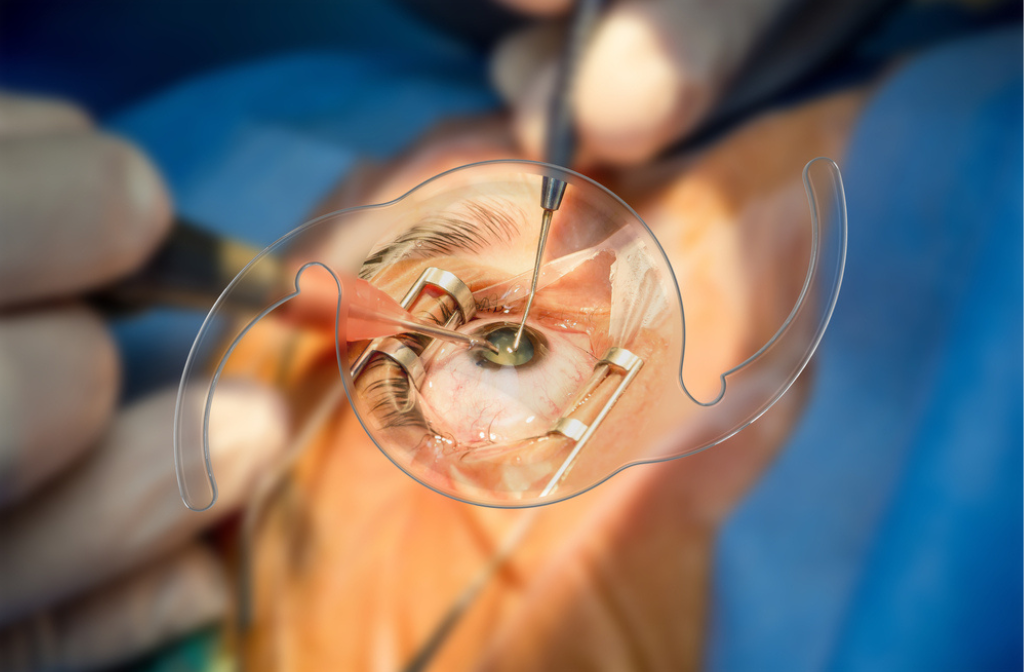
What is an IOL and why is it needed?
Imagine your eye as a high-performance camera. The natural lens inside your eye focuses light so you can see clearly. But when cataracts develop, that lens becomes cloudy like trying to take a picture through a foggy window. That’s where intraocular lenses (IOLs) come in.
An IOL is an artificial lens implanted in your eye during cataract surgery to restore clear vision. Today, patients have multiple choices, and selecting the best IOL for cataract surgery can feel overwhelming. Should you go for basic clarity or aim for freedom from glasses? The answer depends on your lifestyle, expectations, and eye health.
How Cataract Surgery Replaces Your Natural Lens
During cataract surgery, your cloudy lens is removed and replaced with a clear artificial IOL. It’s one of the safest and most successful procedures worldwide. According to the
American Academy of Ophthalmology cataract surgery has a success rate of over 95%, with most patients experiencing significantly improved vision.
If you’re considering advanced treatment options like retinal laser treatment in Abu Dhabi, it’s crucial to consult an expert. Learn more from a trusted Eye Specialist in Abu Dhabi to make an informed decision.
Types of Intraocular Lenses (IOL Guide)
Monofocal IOLs
Monofocal lenses are the most commonly used option. They provide a clear vision at a single distance—usually far. You’ll likely still need glasses for reading or computer work.
Interestingly, studies show that monofocal IOLs often result in fewer visual disturbances like halos and glare compared to premium lenses. This makes them a reliable and cost-effective choice.
Multifocal IOLs
Multifocal lenses are designed for people who want to reduce their dependence on glasses. They allow you to see at multiple distances near, intermediate, and far.
However, there’s a trade-off. Some users report halos or glare, especially at night. Think of it as having multiple camera lenses in one. It’s powerful but may take time to adjust.
Trifocal IOLs
Trifocal IOLs, such as PanOptix, take things a step further by enhancing intermediate vision (perfect for screens and daily tasks). They’re ideal for modern lifestyles where switching between devices is constant.
Patients often report high satisfaction, especially those seeking spectacle independence.
Toric IOLs for Astigmatism
If you have astigmatism, toric lenses are a game-changer. They correct irregular corneal shape, improving clarity without additional procedures.
Without toric IOLs, you might still need glasses even after surgery—so this option can significantly enhance outcomes.
EDOF (Extended Depth of Focus) IOLs
EDOF lenses provide a continuous range of vision, especially for distance and intermediate tasks. They reduce halos compared to multifocal lenses, making them a balanced choice.
Think of EDOF as a smooth gradient rather than multiple focal points—it feels more natural for many users.
Accommodating IOLs
These lenses mimic the eye’s natural focusing ability by shifting position inside the eye. While promising, their effectiveness can vary from person to person.
Premium vs Standard IOLs
What Makes Premium Lenses Different?
Premium IOLs include multifocal, trifocal, toric, and EDOF lenses. They offer enhanced features like reduced dependence on glasses and an improved range of vision.
However, higher expectations can sometimes lead to lower satisfaction if results don’t match lifestyle needs. A survey of 554 patients found that monofocal IOL users reported fewer visual disturbances, while premium users had mixed satisfaction due to higher expectations.
Factors to Consider When Choosing the Best IOL for Cataract Surgery
Lifestyle and Vision Needs
Do you read a lot? Work on a computer? Drive at night? Your daily activities play a huge role in selecting the right lens.
Budget and Expectations
Premium lenses cost more but may reduce the need for glasses. It’s important to weigh cost versus long-term convenience.
Eye Health Conditions
Conditions like macular degeneration, glaucoma, or diabetic retinopathy can influence your choice. Not all IOLs are suitable for every eye.
Benefits and Limitations of Each IOL Type
| IOL Type | Benefits | Limitations |
|---|---|---|
| Monofocal | Clear vision, fewer side effects | Needs glasses for near vision |
| Multifocal | Multiple vision ranges | Halos, glare |
| Trifocal | Excellent intermediate vision | Higher cost |
| Toric | Corrects astigmatism | Requires precise alignment |
| EDOF | Smooth vision transition | Limited near vision |
Latest Advancements in IOL Technology
Modern innovations like light-adjustable lenses (LAL) allow post-surgery customization. Imagine fine-tuning your vision after the procedure—it’s like updating your glasses prescription without new lenses.
What Do Studies Say About IOL Performance?
Research shows significant improvements in vision after surgery. Postoperative results indicate:
- Distance vision improved from 15% to 85%
- Intermediate vision improved from 12% to 71%
These numbers highlight how far technology has come.
How to Choose the Best IOL for You
Choosing the right lens isn’t about picking the most advanced option it’s about finding the best fit for your eyes and lifestyle. A detailed consultation with a specialist ensures accurate measurements and personalized recommendations.
When to Consult an Eye Specialist
If you’re experiencing blurry vision, glare, or difficulty seeing at night, don’t ignore it. Early evaluation can make a significant difference in treatment outcomes.
Why Choose Expert Eye Care in Abu Dhabi
Choosing the right clinic matters just as much as choosing the right lens. With advanced diagnostics and personalized care, you can ensure optimal results.
Trust an experienced
Eye Specialist in Abu Dhabi for cataract and retinal care for expert guidance and treatment.
Call to Action
Clear vision can transform your daily life. Whether you’re reading, driving, or enjoying time with family, the right IOL can make everything sharper and more vibrant.
Conclusion
Selecting the best IOL for cataract surgery is a deeply personal decision. From monofocal to advanced trifocal lenses, each option offers unique benefits. The key is aligning your choice with your lifestyle, expectations, and eye health.
Schedule a consultation today and explore the best options tailored to your needs.
FAQs
Q1. Which is the best IOL lens for cataract surgery?
There is no one-size-fits-all option. The best lens depends on your vision needs and lifestyle.
Q2 .Are premium IOLs worth it?
They can be, especially if you want reduced dependence on glasses.
Q3. Do IOLs last a lifetime?
Yes, most intraocular lenses are designed to last permanently.
Q4. How long does it take?
Around 15–30 minutes per session.
Q5. How many sessions are needed?
Usually 3–4 sessions.